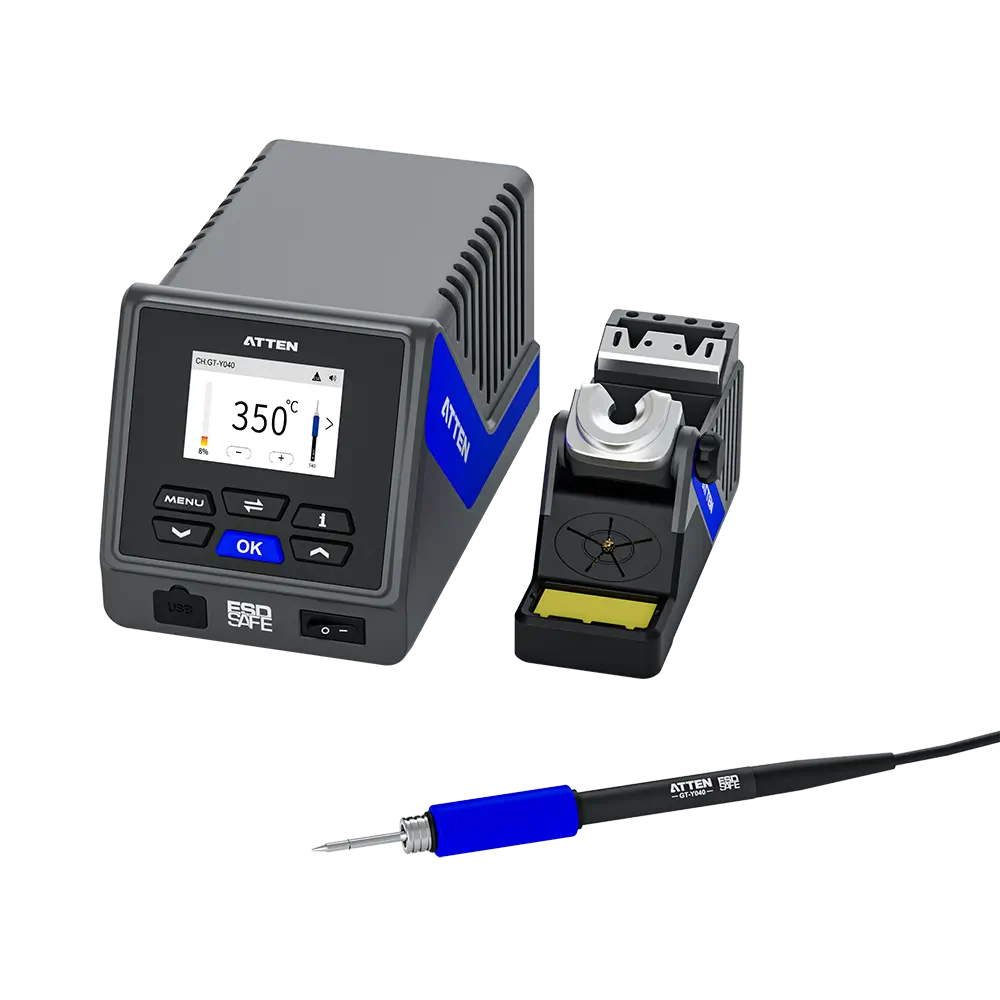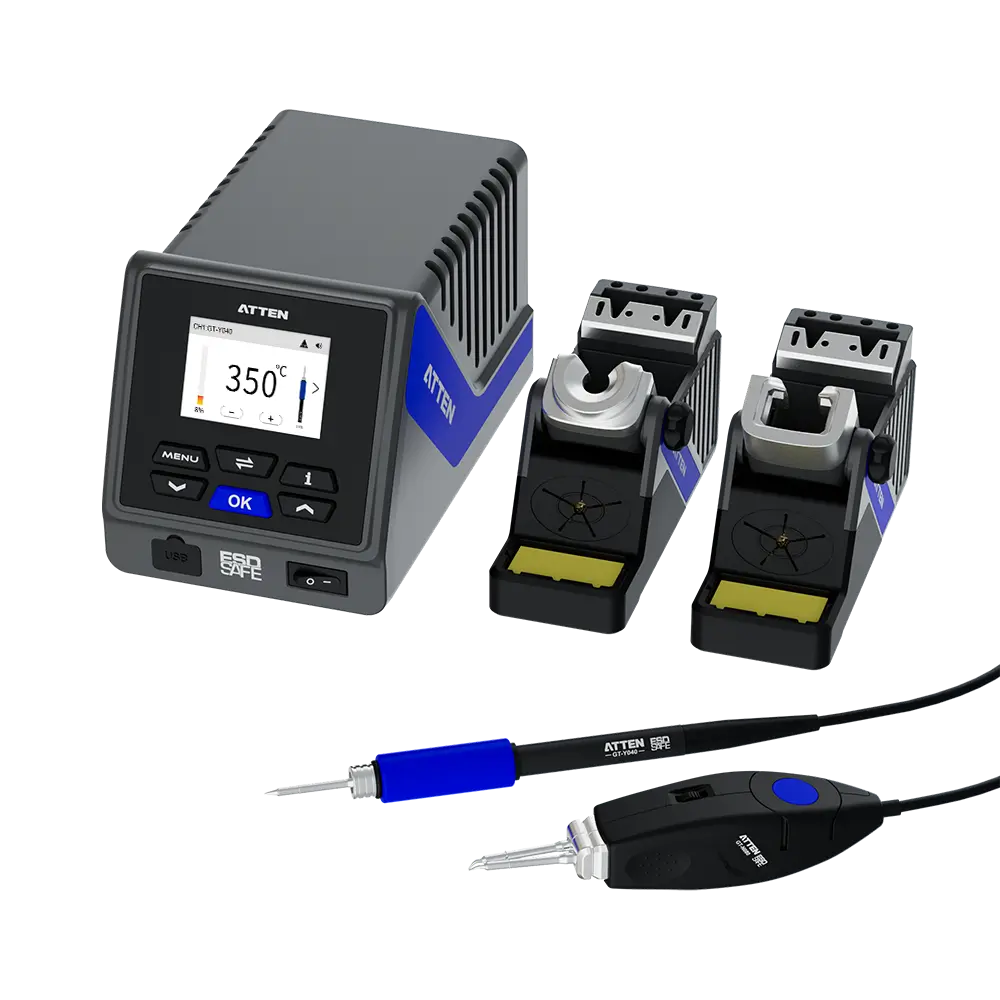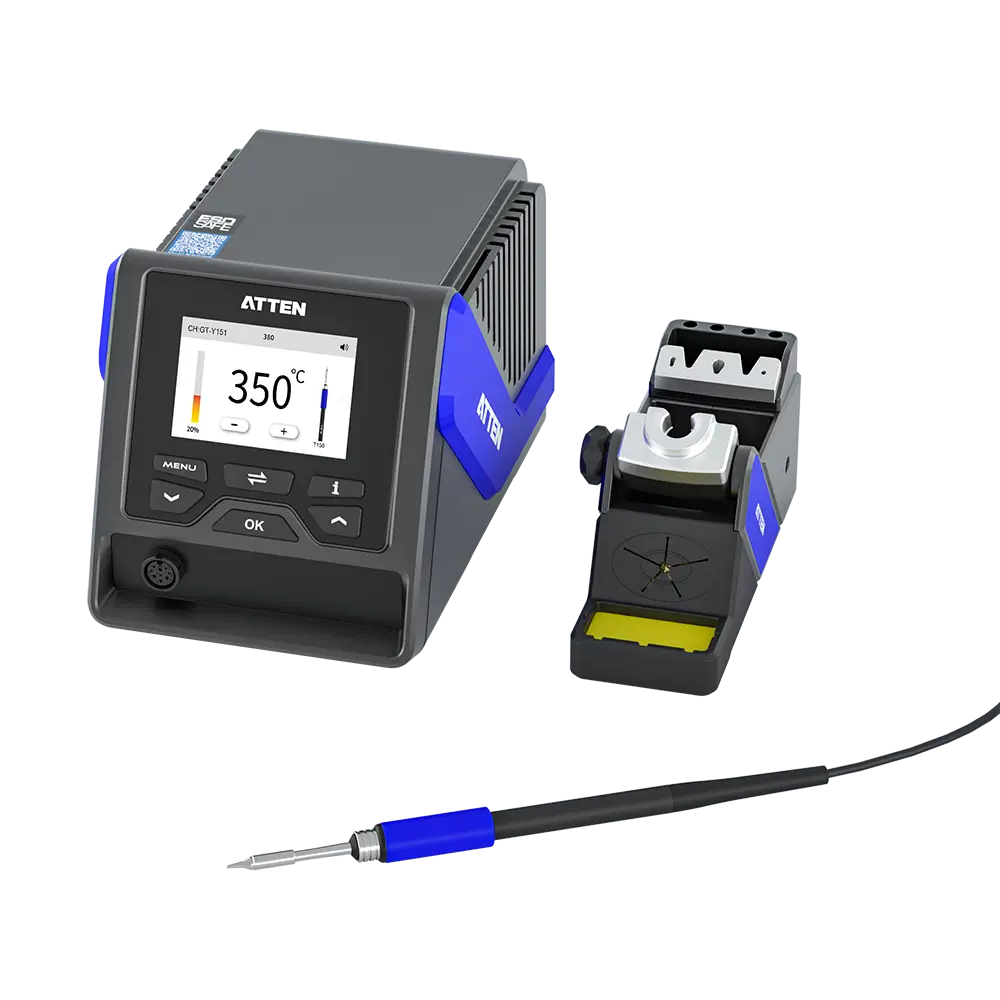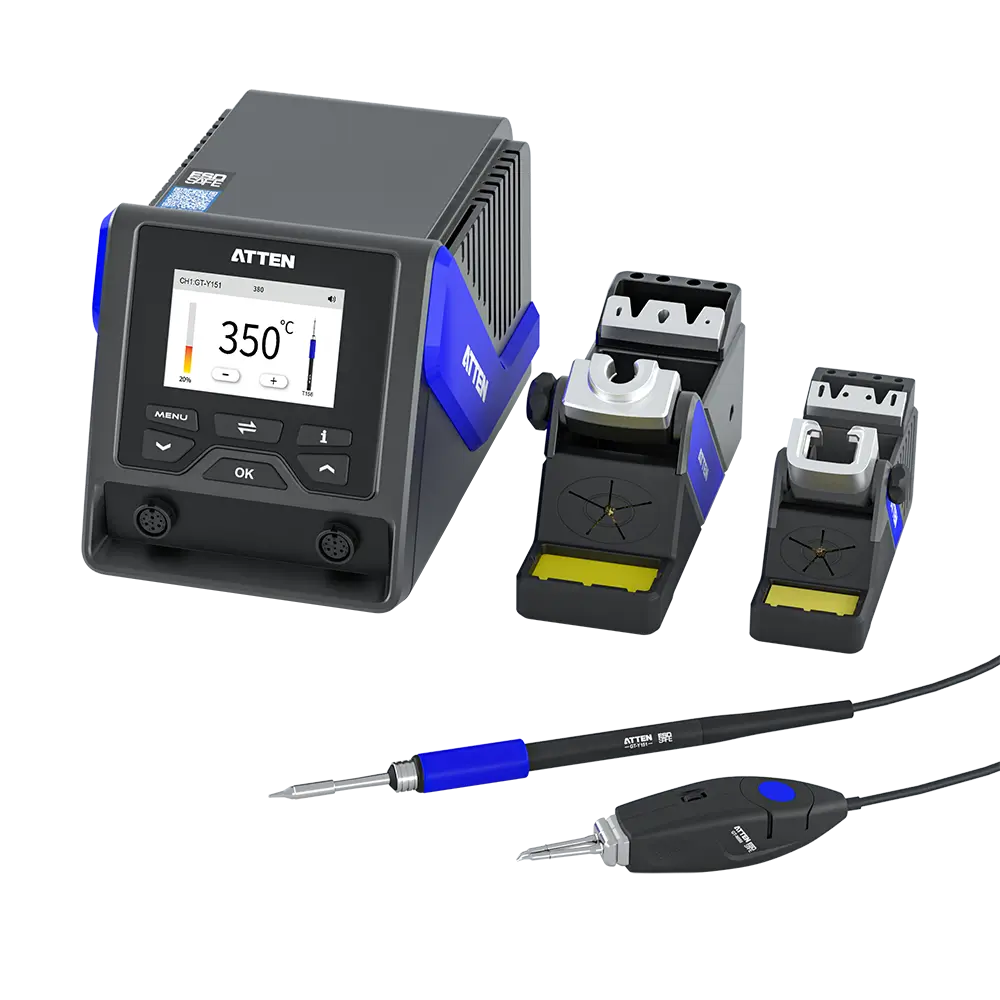
As electronics manufacturing continues to advance toward greater intelligence and digitalization, more and more companies are using MES, SCADA, and other production management systems to centrally manage work orders, equipment, and production processes.

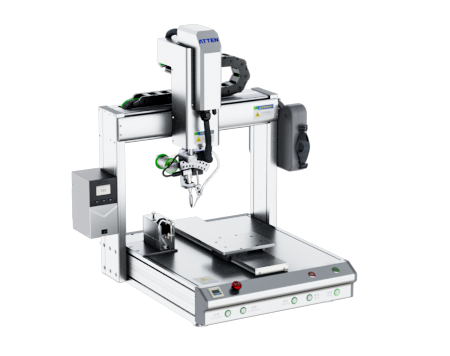
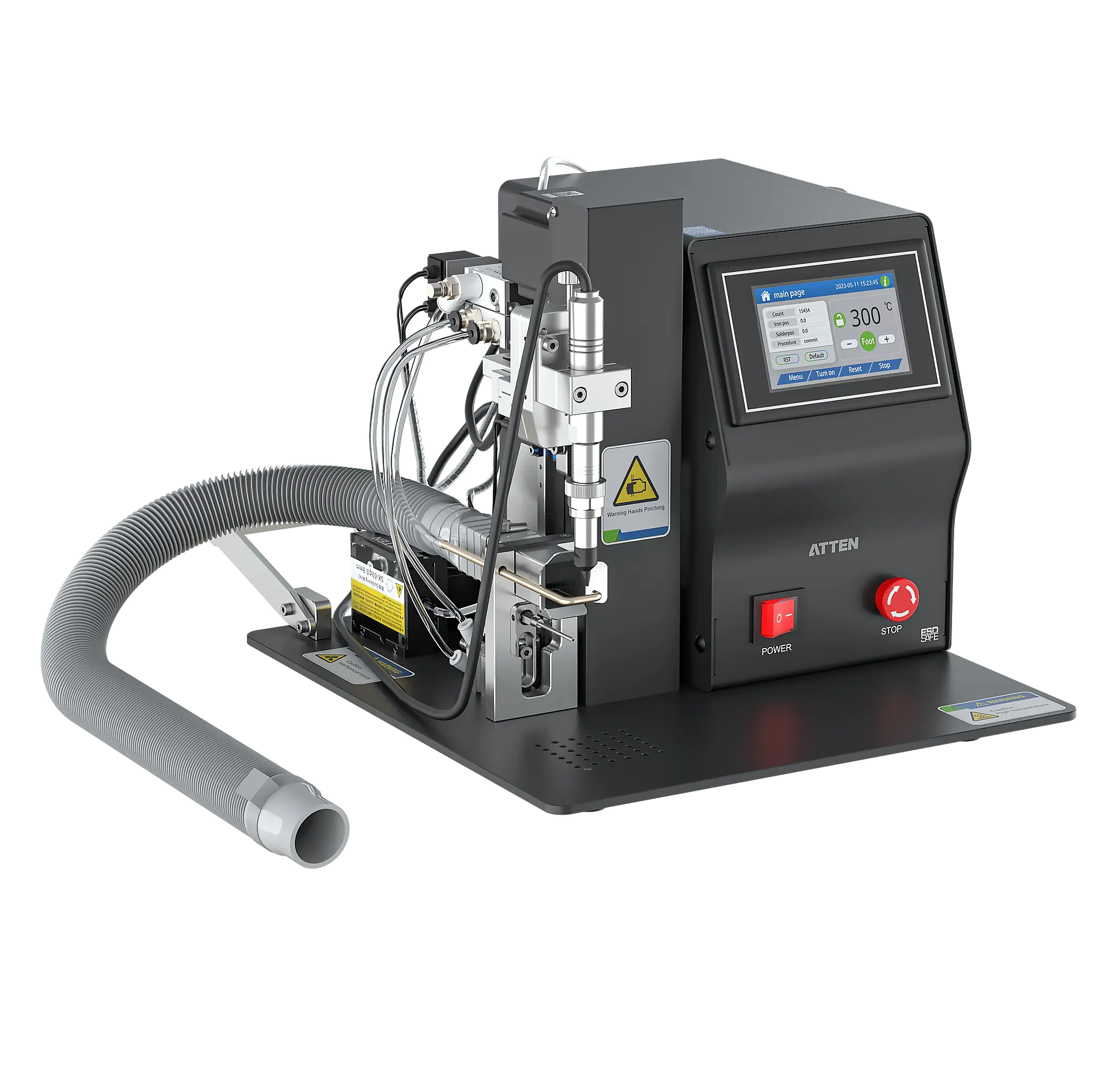
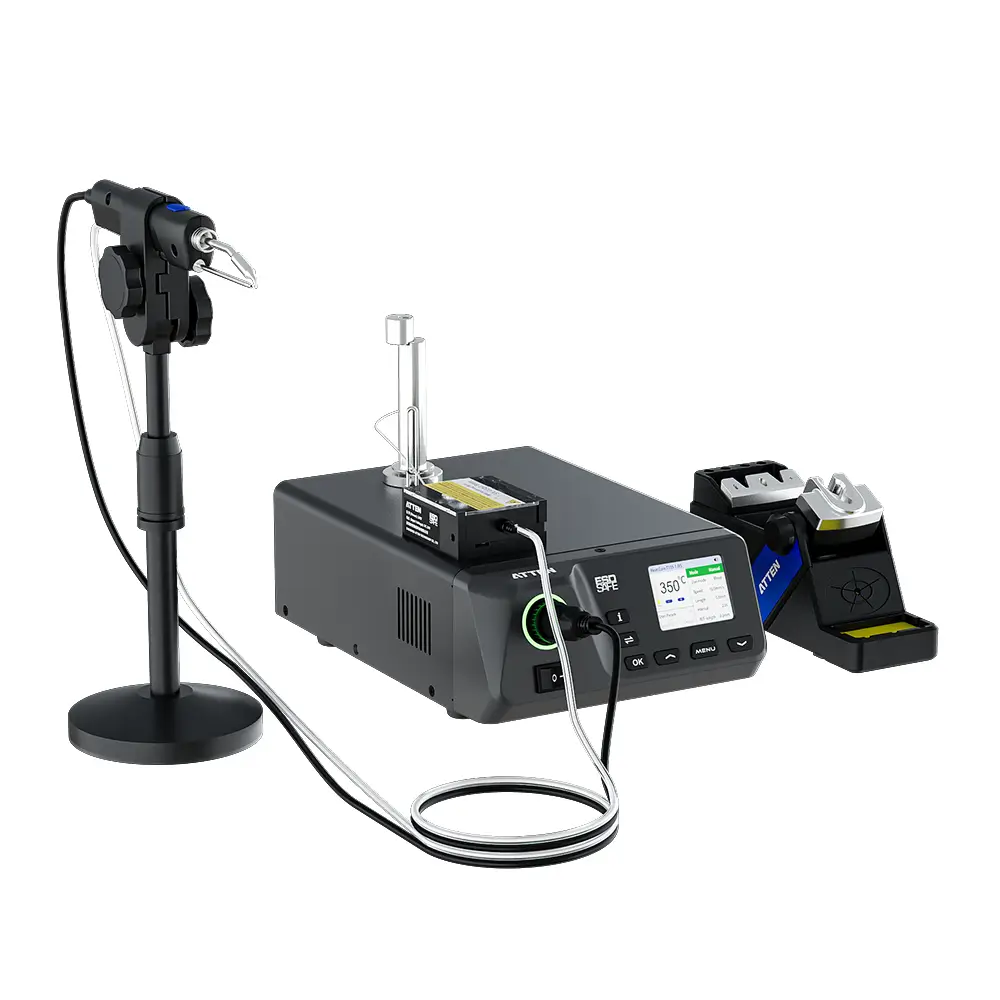
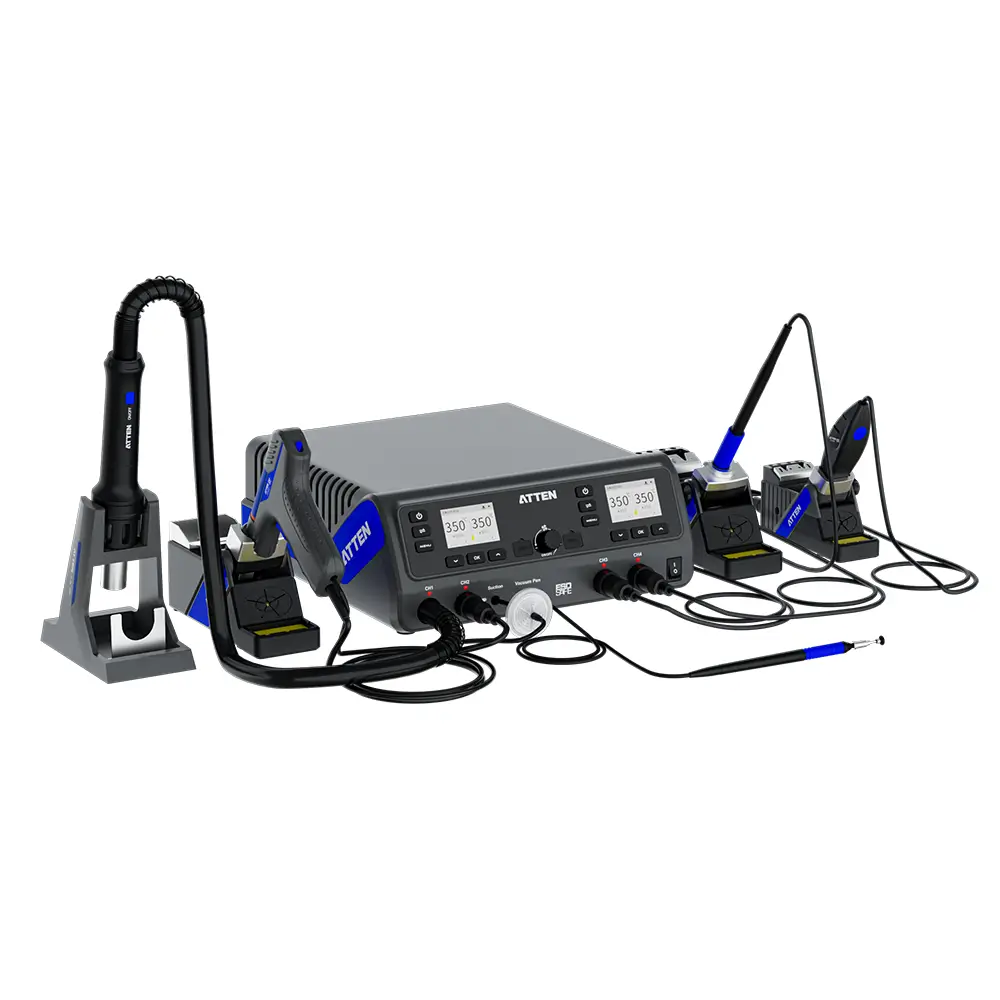
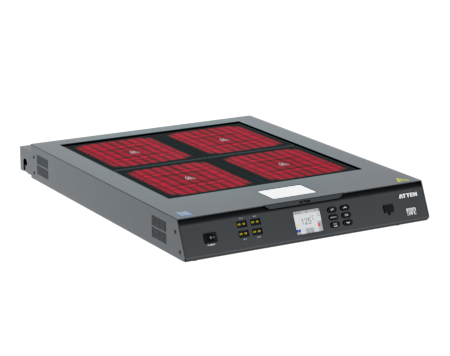
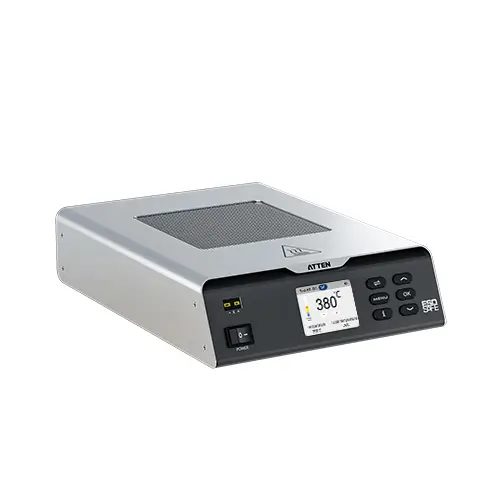
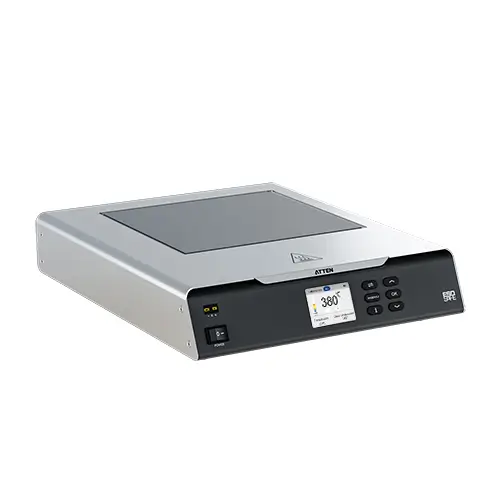
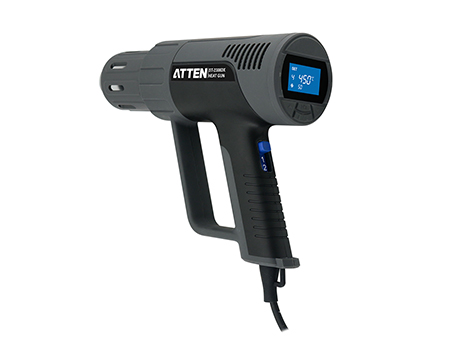
However, on the actual production floor, most electronic soldering equipment still operates independently as standalone devices.
The equipment itself already generates data such as real-time parameters, operating status, and fault alarms. The real challenge is: how can these devices be connected to production management systems so that equipment data can truly become part of the company’s digital manufacturing ecosystem?
In recent years, intelligence and digitalization have become important directions for ATTEN’s product development.
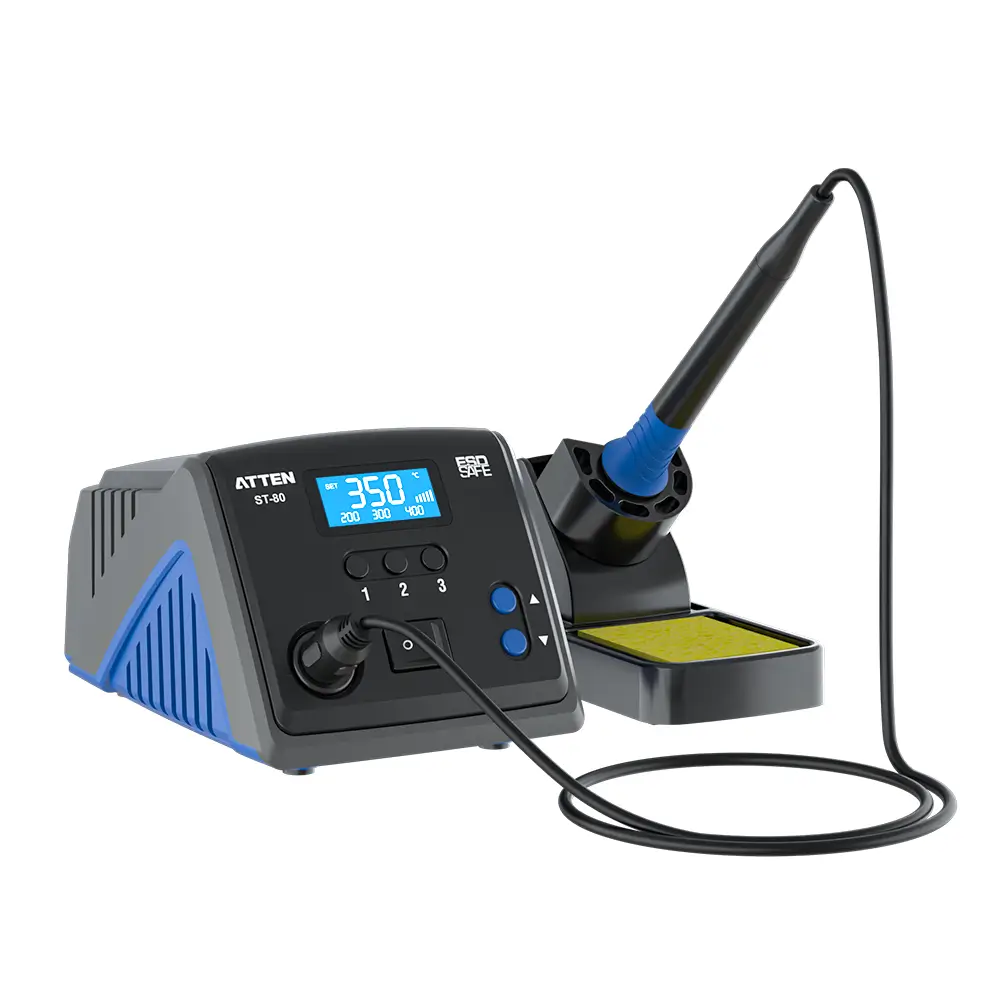
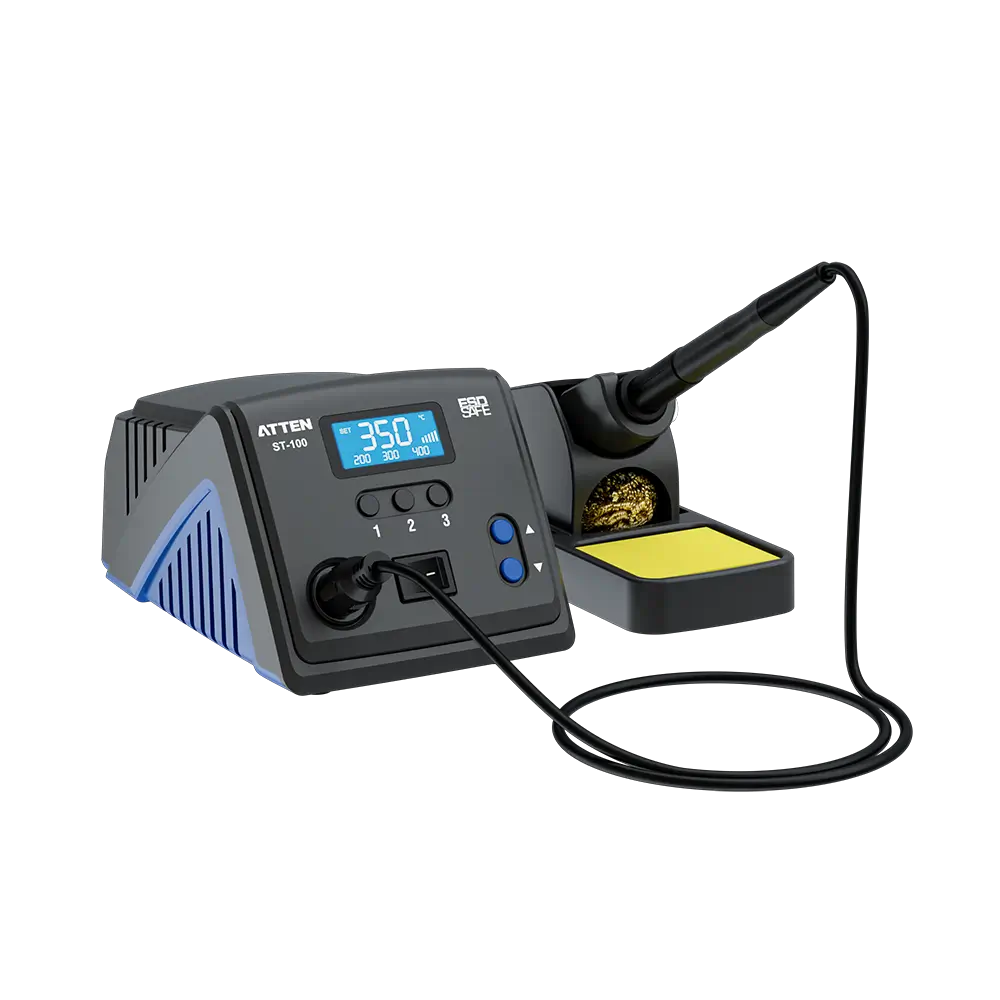
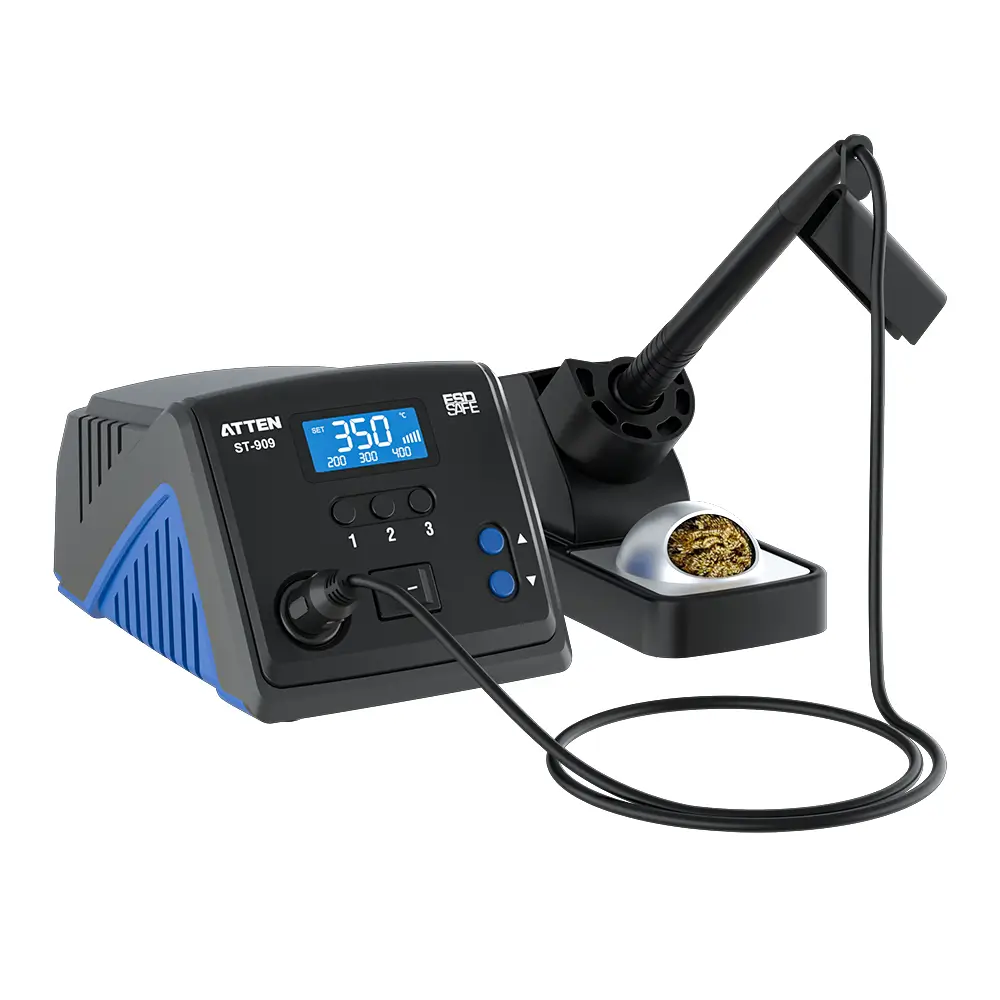
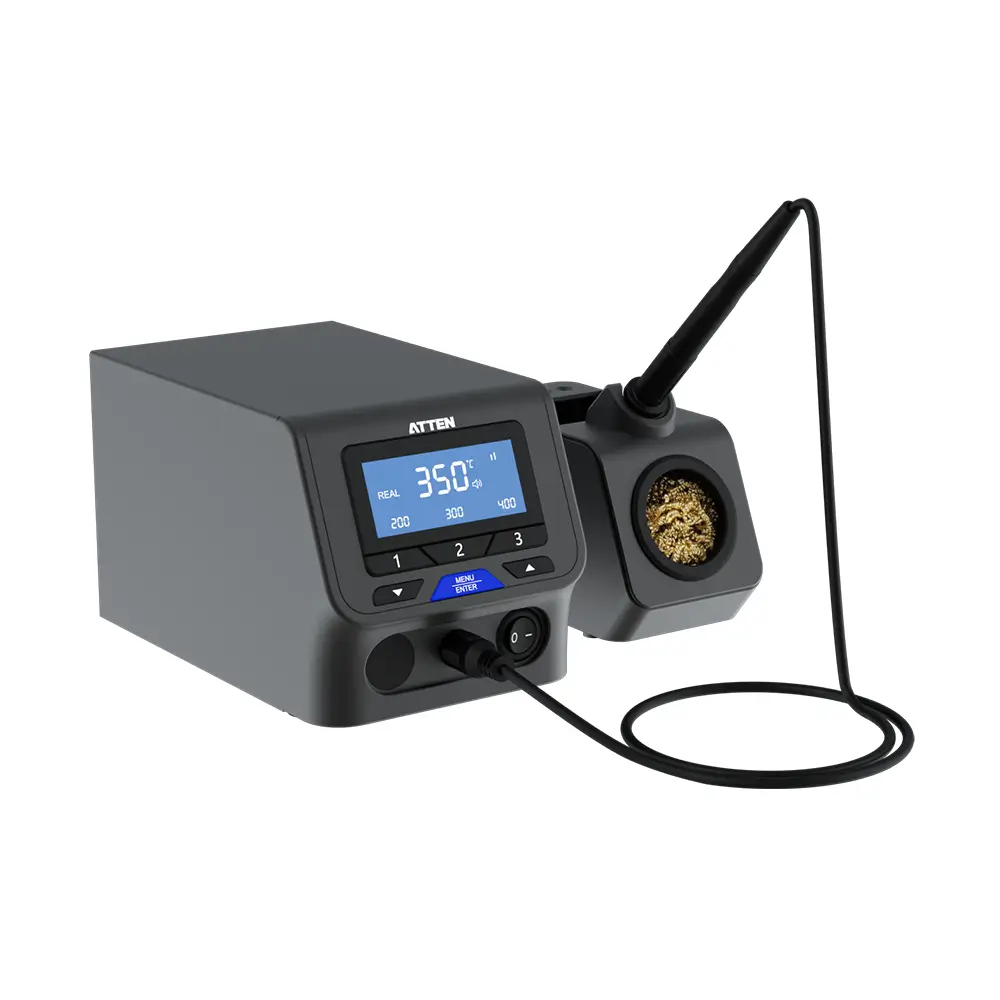
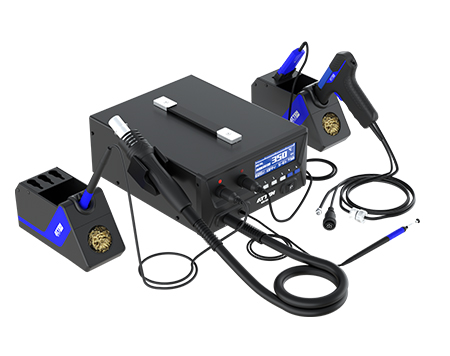
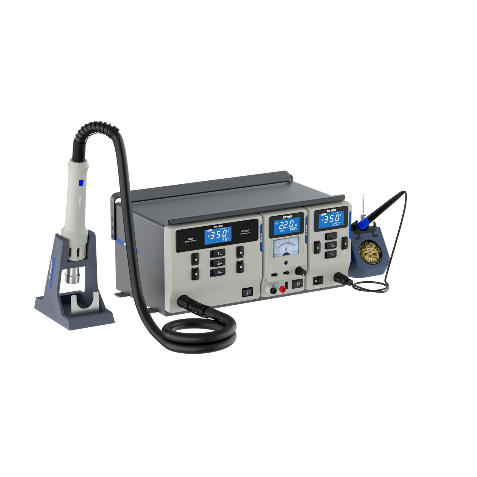
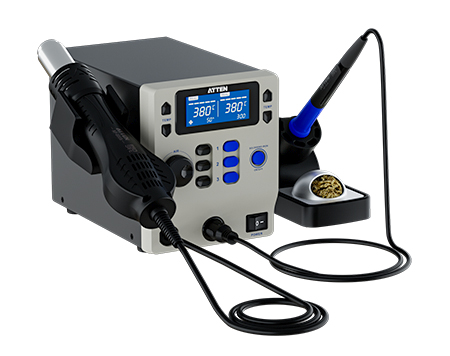
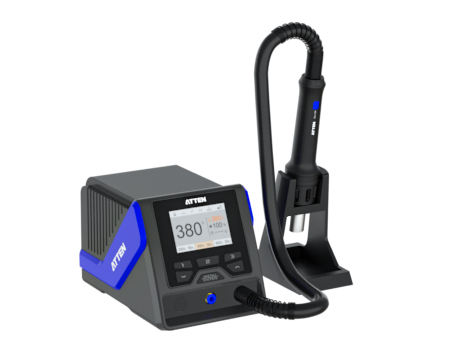
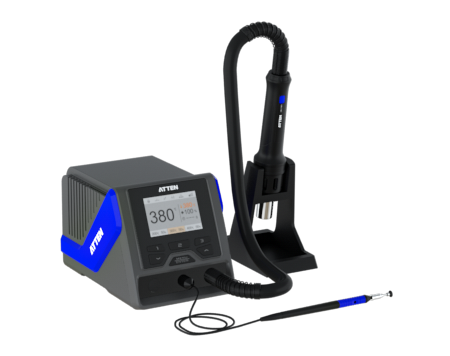
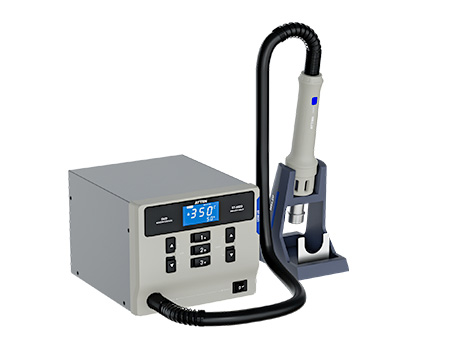
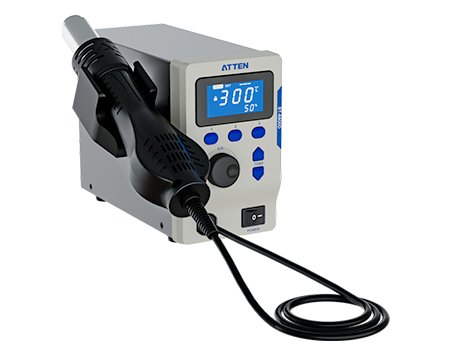
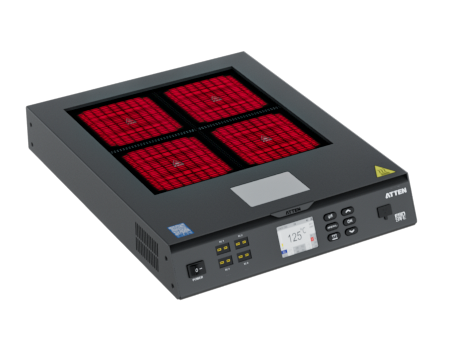
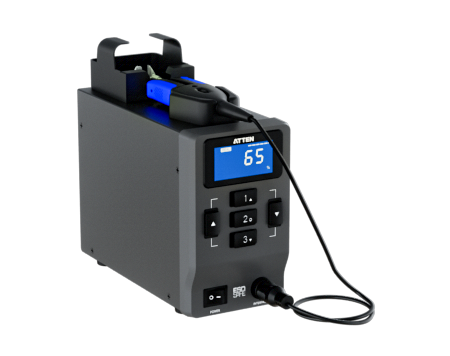
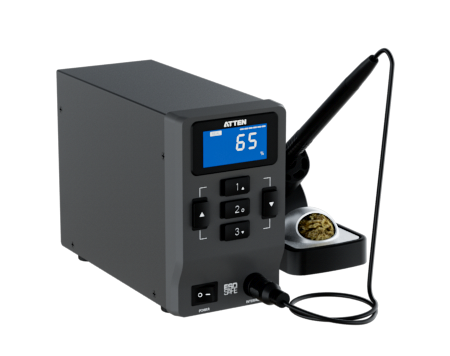
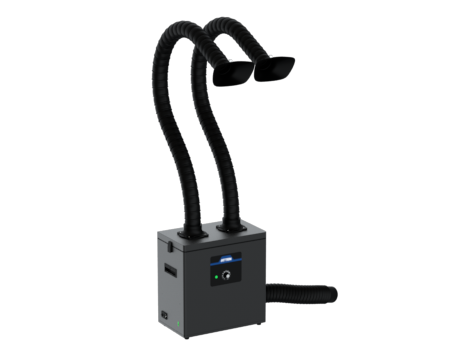
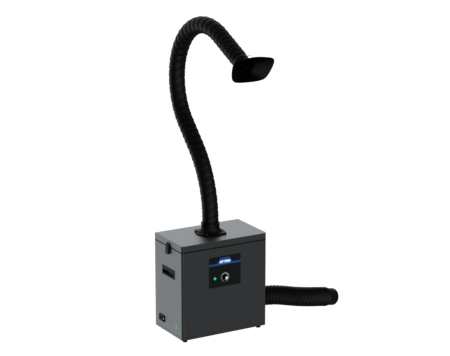
Currently, most ATTEN equipment is equipped with RS-485 communication interfaces, enabling data exchange with computers, PLCs, and other control systems. This provides the foundation for equipment networking and centralized management.
As companies further promote cross-workstation management, workshop networking, remote monitoring, and the deployment of production management systems such as MES and SCADA, equipment data on the shop floor also needs to move beyond standalone communication and connect to the factory’s existing network infrastructure.
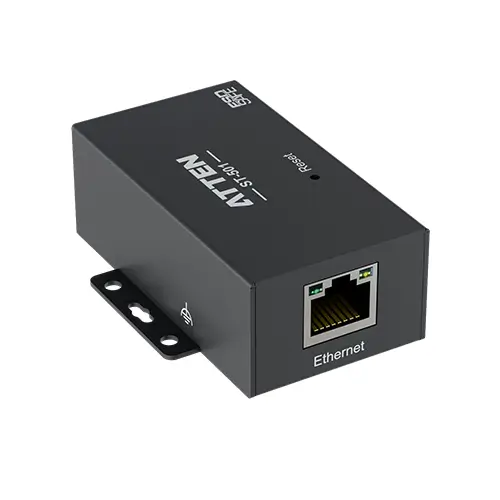
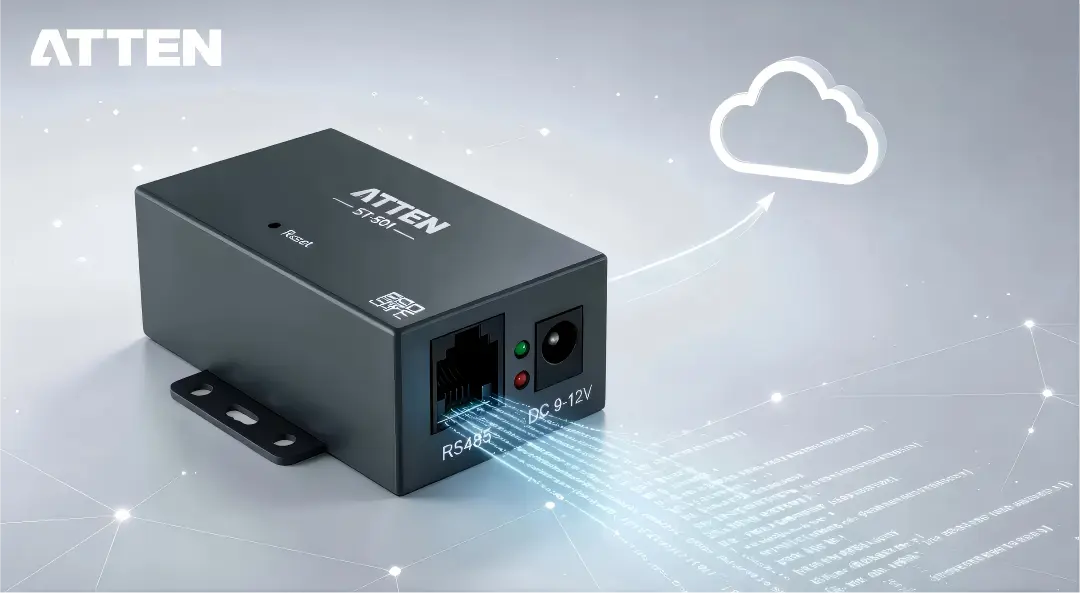
To meet this requirement, ATTEN has introduced the ST-501 RS-485-to-Ethernet Module, designed to connect RS-485 devices to Ethernet/IP networks and provide a more flexible connection method for compatible ATTEN equipment to access existing enterprise networks and upper-level management systems.
The ST-501 supports network communication methods including TCP, UDP, and MQTT, as well as conversion between Modbus RTU and Modbus TCP, enabling data transmission between RS-485 devices and Ethernet networks.
A typical data path can be understood as: ATTEN Equipment → RS-485 → ST-501 → Ethernet/IP Network → MES, SCADA, or Other Management Systems.
The value of equipment connectivity ultimately depends on what data the equipment itself can make available.
ATTEN provides corresponding communication data according to different equipment models and functions. This typically includes device information, process parameters, real-time operating status, alarm information, and accumulated operating data.
For companies that have already deployed MES, SCADA, or other production management platforms, ATTEN can evaluate integration with the customer’s existing system based on its interfaces, communication protocols, network architecture, and required data items.
Depending on the capabilities of the customer’s system, further digital management can be implemented, extending the value of equipment communication from “equipment management” to “process management.”
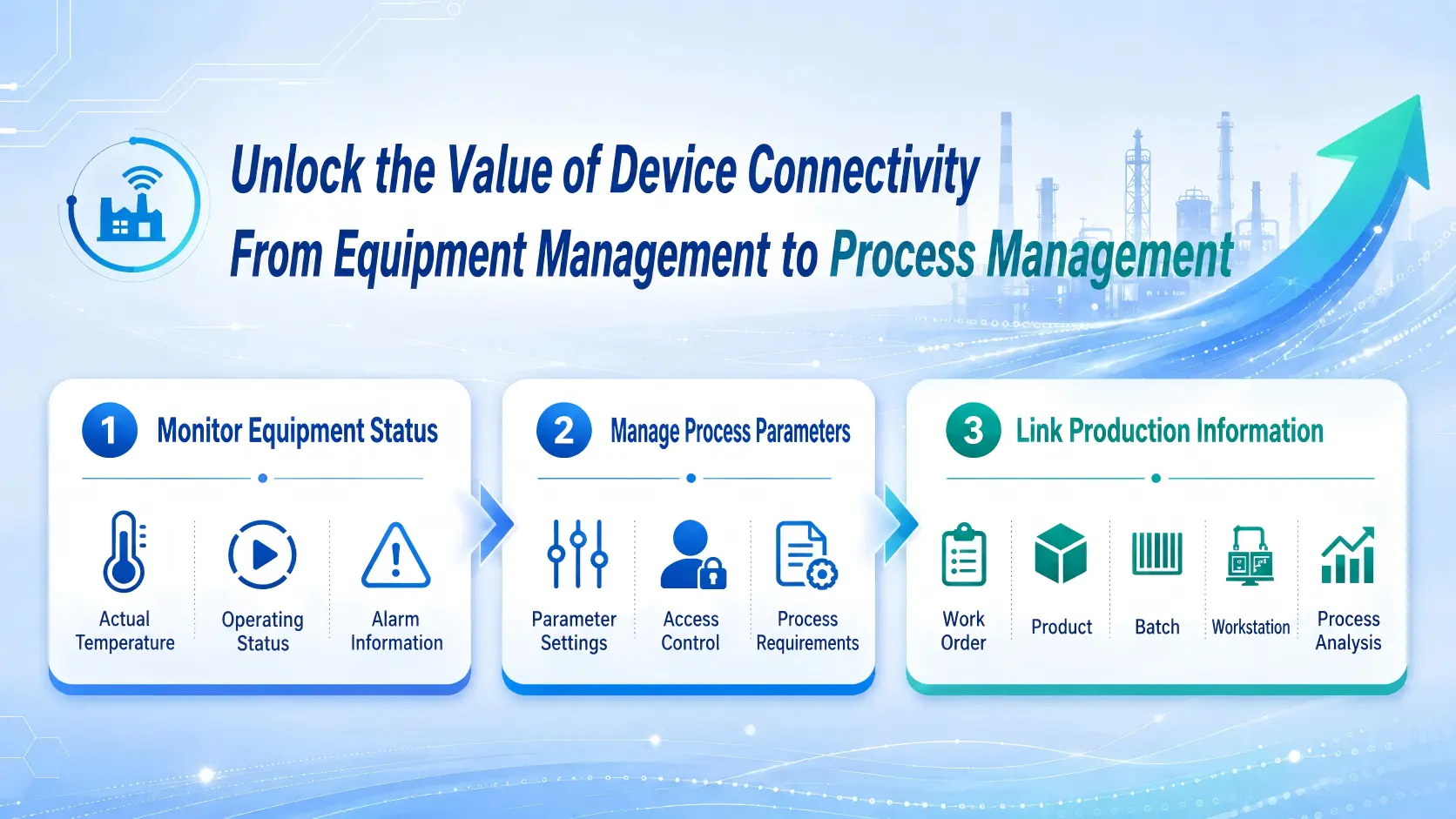
Centrally obtain actual temperature, operating status, and alarm information from equipment across different workstations.
For parameters that support write access through the communication protocol, configuration and management can be performed according to process requirements and system permissions.
Further associate equipment process parameters, operating status, and alarm information with work orders, products, batches, workstations, and other data in the MES, providing additional equipment-side data references for production process analysis.
The ST-501 is only one connection point within ATTEN’s equipment connectivity ecosystem. Behind it is ATTEN’s continued thinking about the future direction of product development: equipment should not only provide stable performance and a good operating experience, but also integrate more effectively into the digital production environments of modern electronics manufacturers.
Looking ahead, ATTEN will continue to focus on real production scenarios and promote the evolution of electronic soldering and rework equipment from standalone operation toward equipment connectivity and digital workstation management, providing a more complete equipment foundation for companies advancing intelligent and digital manufacturing.

Copyright © 2025 SHENZHEN ATTEN TECHNOLOGY CO., LTD All Reserved.