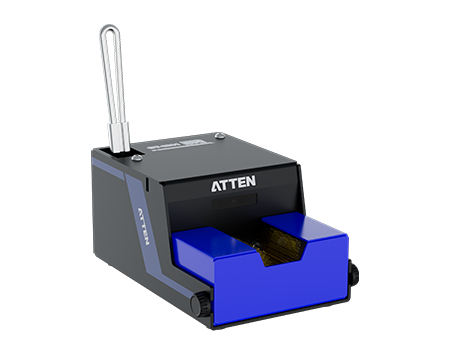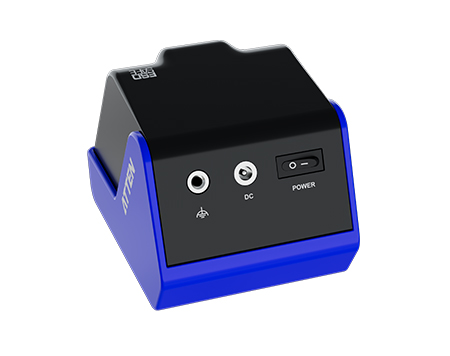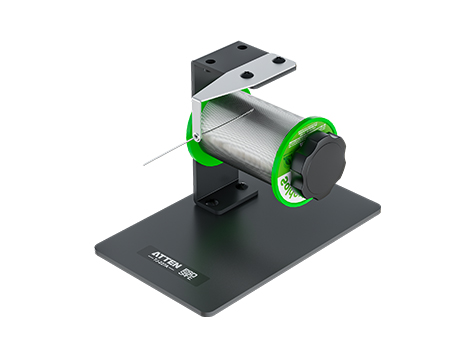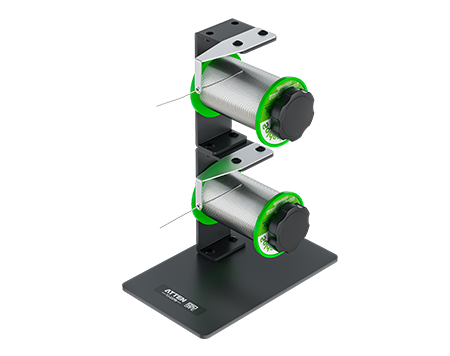
Introduction: Solder, flux, heat, and airflow all shape how an electronic rework station should be understood as part of a controlled bench environment.
A soldering and rework station is often discussed through tools: a soldering iron handle, a desoldering gun, a hot air gun, electric tweezers, stands, nozzles, and consumables. For a safety-aware technical learner, that tool view is only half of the picture. The other half is the material environment created when solder alloys, fluxes, heated residues, and board contamination meet repeated bench work. This article explains the risk map around soldering materials and fumes without turning any single MS-1600 rework station listing into a workplace safety certification.
Soldering looks precise and localized, but the material system is wider than the point where a tip or hot air stream touches the joint. Solder alloys may contain tin, lead, silver, copper, or other metals depending on the process. Flux may be present inside solder wire, applied separately, left from earlier assembly, or reactivated during repair. When a joint is heated, the visible smoke is usually associated more with heated flux and residues than with molten metal alone, but that does not make the work harmless. The practical issue is that rework repeats heat cycles in a small area, often close to the operator’s breathing zone, while the bench may also hold solder wire, used tips, wipes, filters, and contaminated scrap. This is why an electronic rework station should be understood as one part of a workplace system rather than as a complete safety control by itself. A station can provide the heat and tool functions needed for soldering, hot air desoldering, suction, or tweezer work, but material exposure depends on solder composition, flux chemistry, temperature, work duration, operator position, ventilation, cleaning habits, and local rules. In professional bench environments, the safer mental model is not “the tool handles the risk,” but “the tool creates a process that needs suitable controls.” That boundary matters especially when comparing a multifunction soldering rework station with separate fume extraction, bench ventilation, PPE, housekeeping, and material safety documents.
Different risk sources sit in different parts of the bench workflow. Tin and lead are material exposure topics; flux smoke is an airborne fume topic; ventilation and extraction are control topics; and bench procedures determine whether residues stay contained or spread to hands, tools, and surfaces. Those categories overlap during real rework, but separating them helps prevent a common misunderstanding: seeing a capable hot air desoldering station or multifunction rework unit and assuming it also proves exposure control.
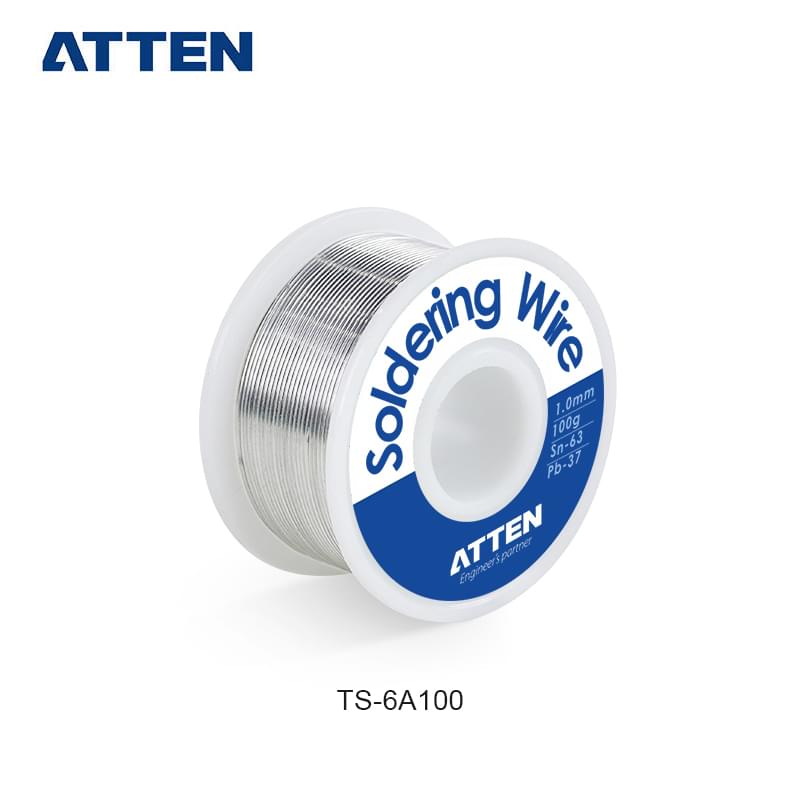
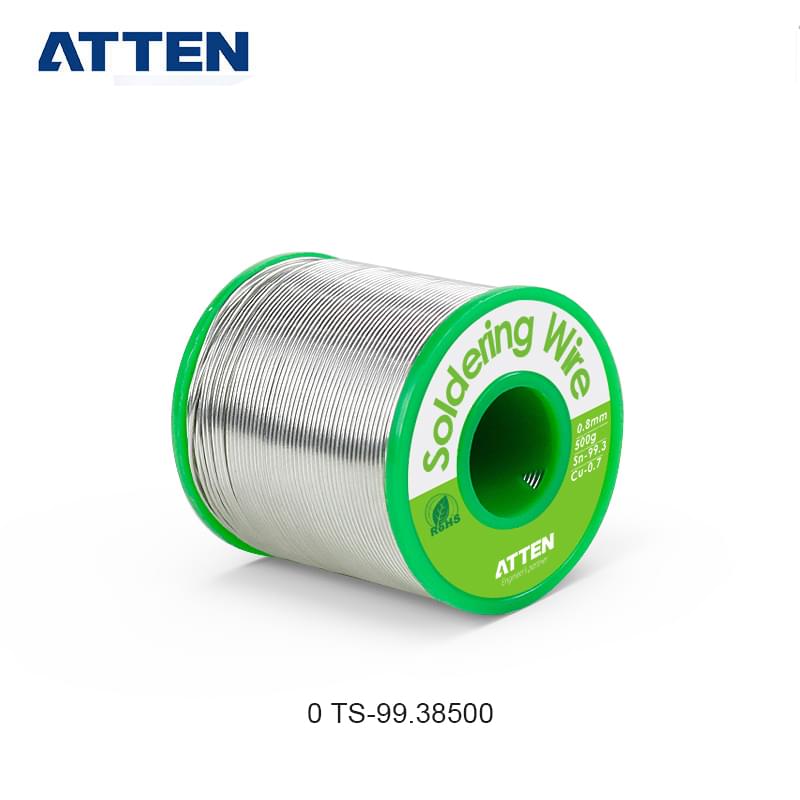
• Material exposure starts with the solder system, not the station name. Tin is a common soldering metal, and lead may still appear in some legacy repair, specialized maintenance, or controlled processes. The material choice affects how a workplace should evaluate handling, residues, waste, and hygiene, but the presence of an ATTEN Soldering Equipment model name does not identify the solder alloy being used at the bench.
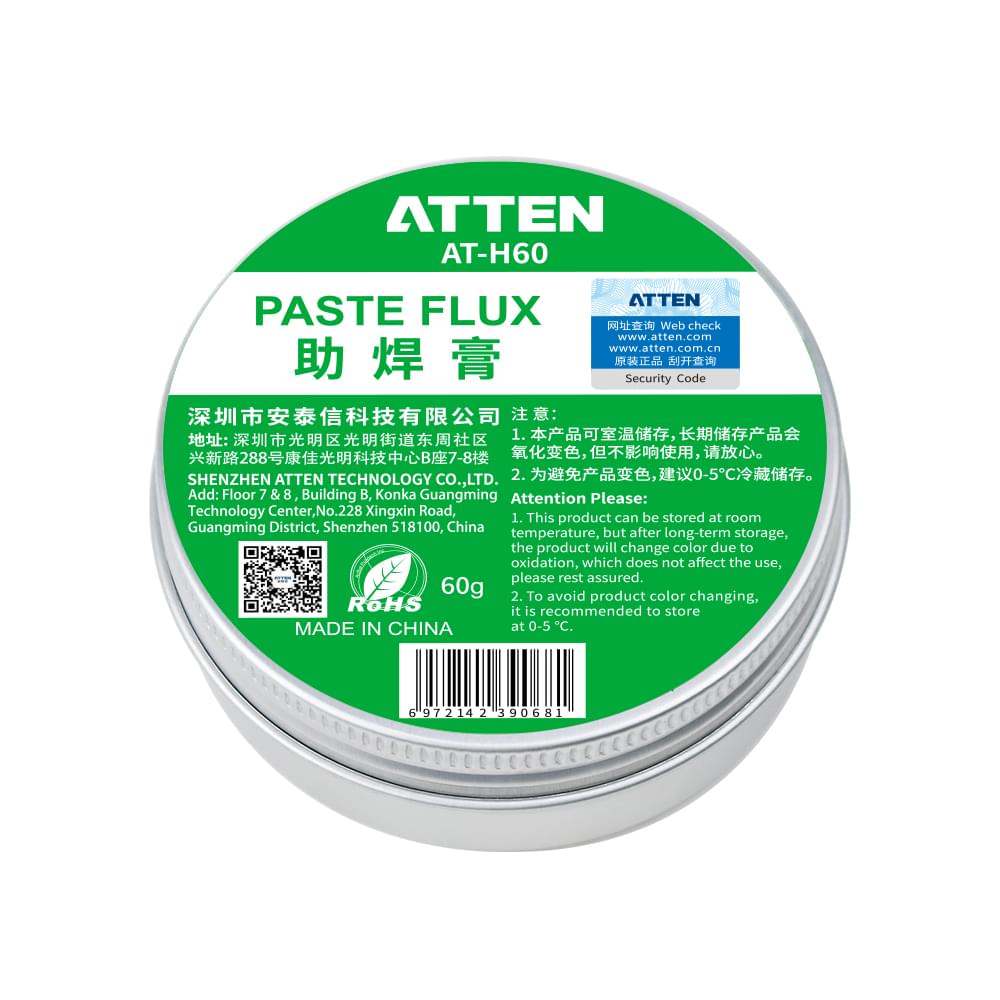
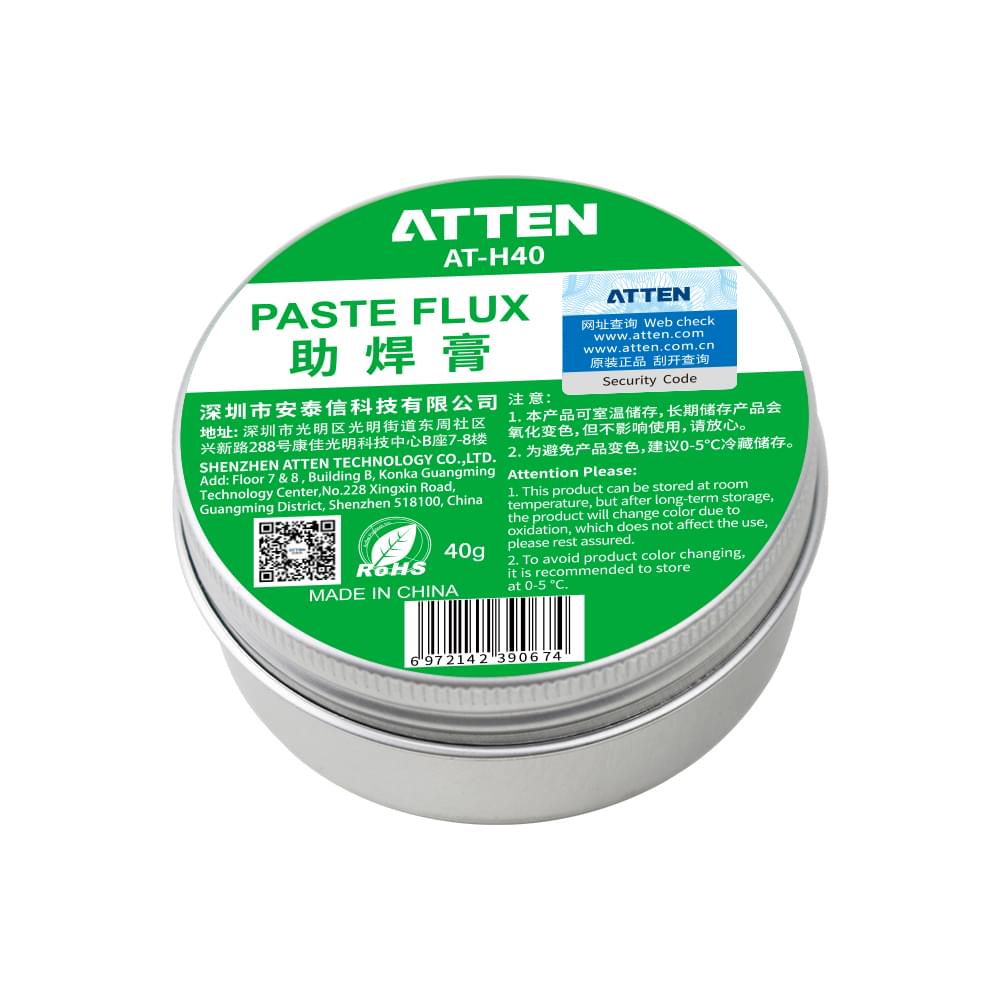
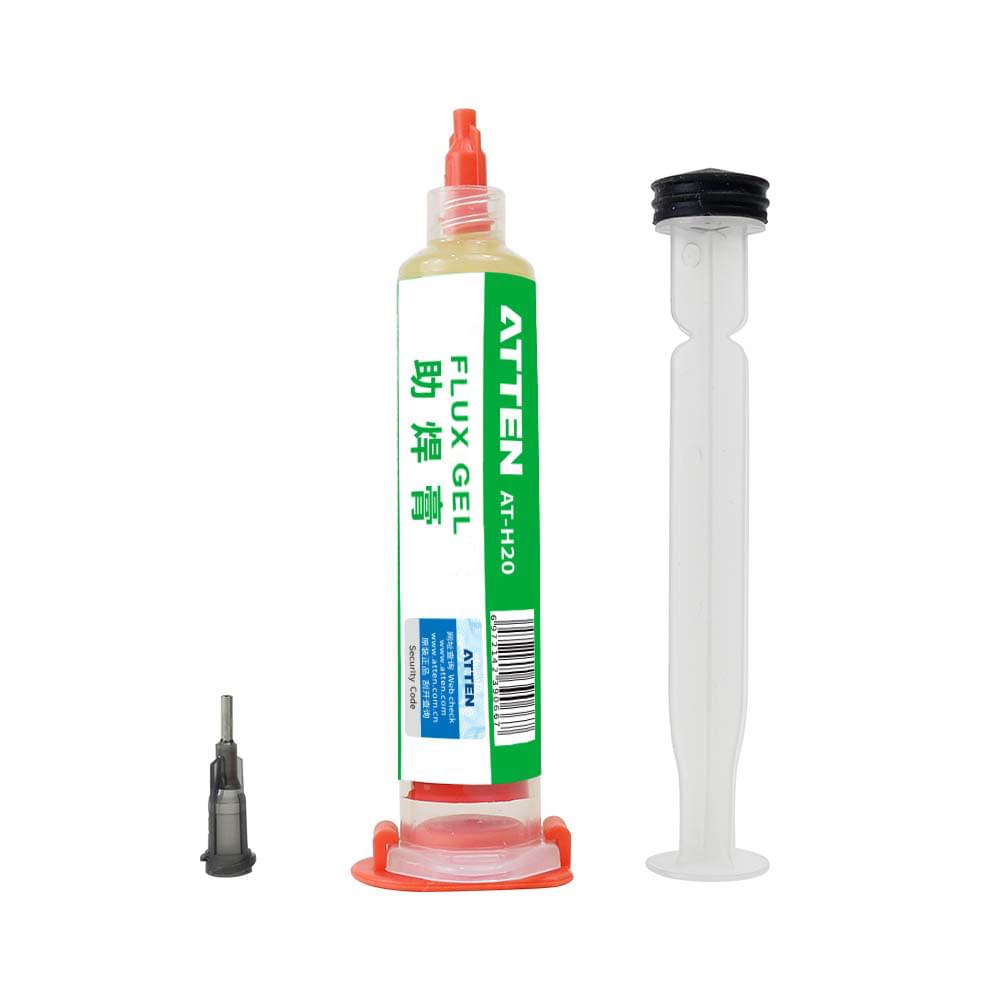
• Flux fumes matter because they are generated close to the operator. Flux helps solder wet metal surfaces, but heating flux can create irritating or sensitizing fumes depending on the formulation and work pattern. The risk is shaped by how often joints are heated, whether the operator leans over the work, and whether local exhaust captures fumes before they pass through the breathing zone.
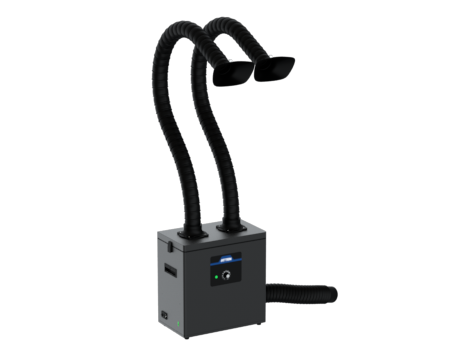
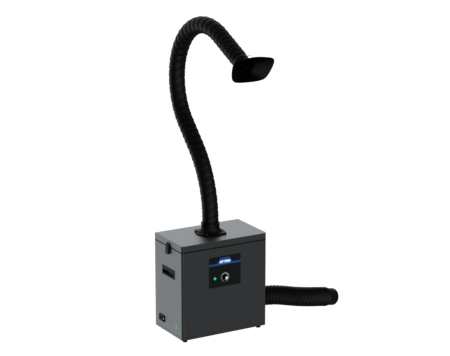
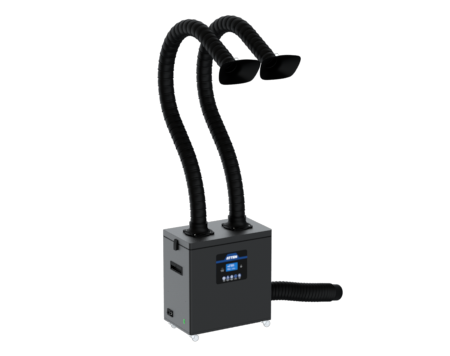
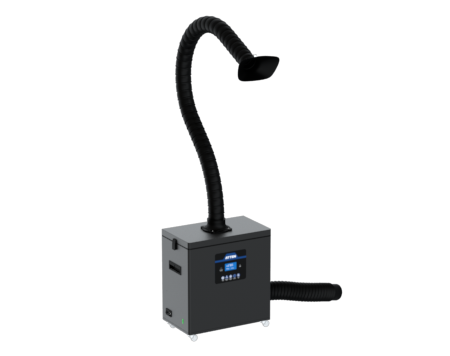
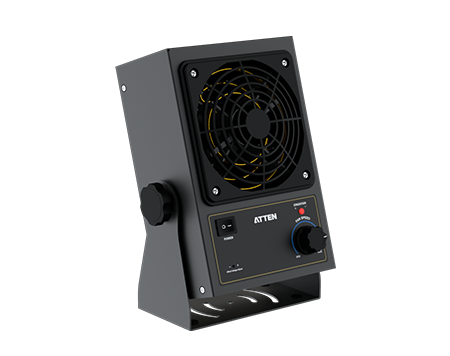
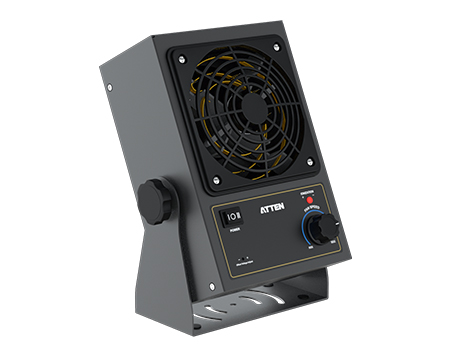
• Ventilation and fume extraction are separate control decisions. General room airflow may dilute contaminants, but solder fume control often depends on local capture near the source. A bench may need a fume extractor, ducted local exhaust, suitable filters, or other engineering controls selected for the materials and work volume. Those controls should be evaluated independently from the rework station’s heating functions.
• Workbench control includes habits, surfaces, and cleanup. Exposure is not only a cloud above the joint. Used solder, dross, wipes, tips, nozzles, filters, and contaminated debris can move material around the bench. Good work practice means keeping residues contained, cleaning surfaces appropriately, and treating hands, food, and personal items as part of the same exposure boundary.
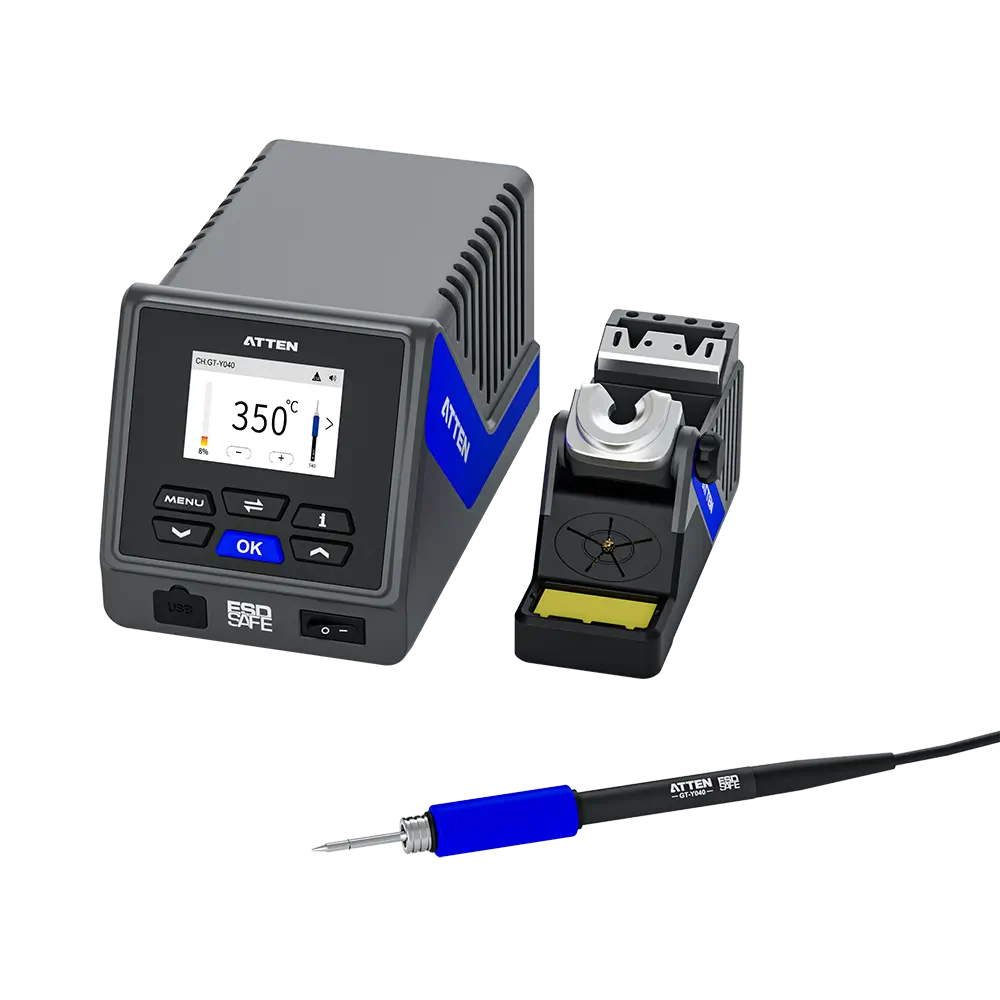
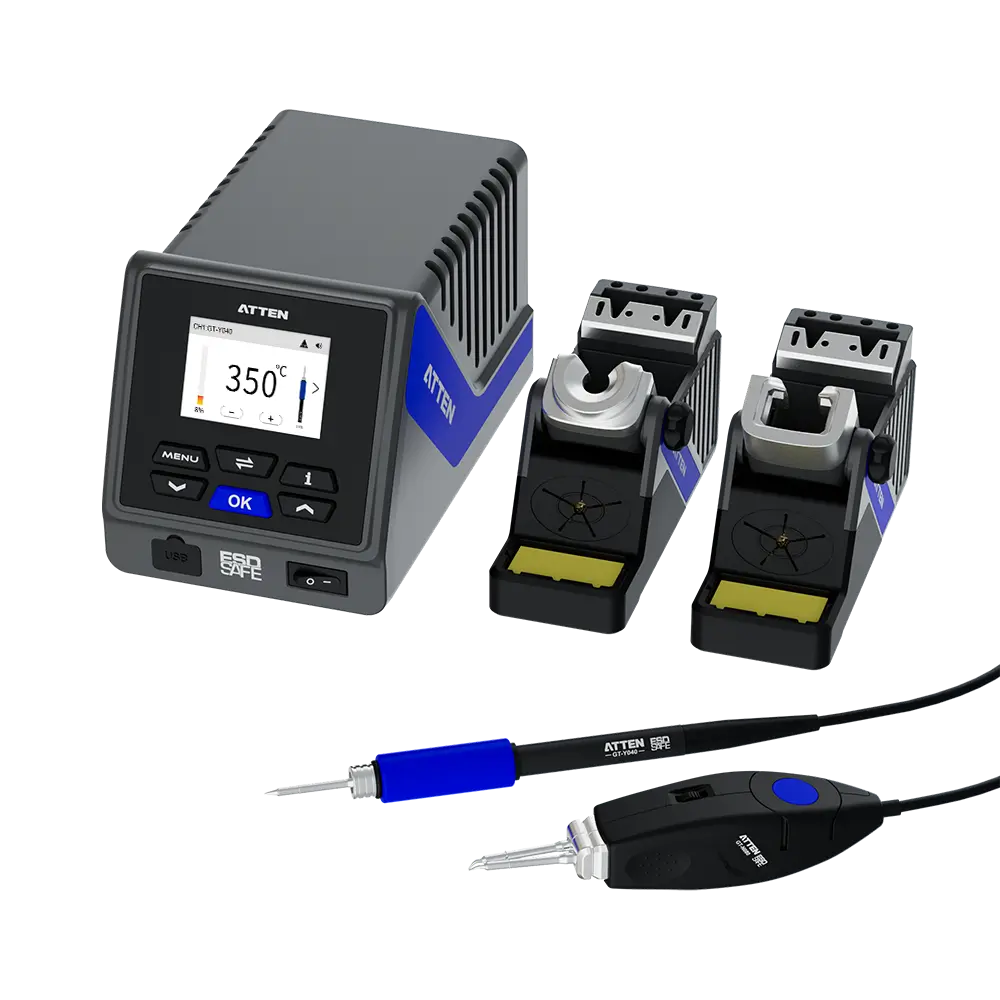
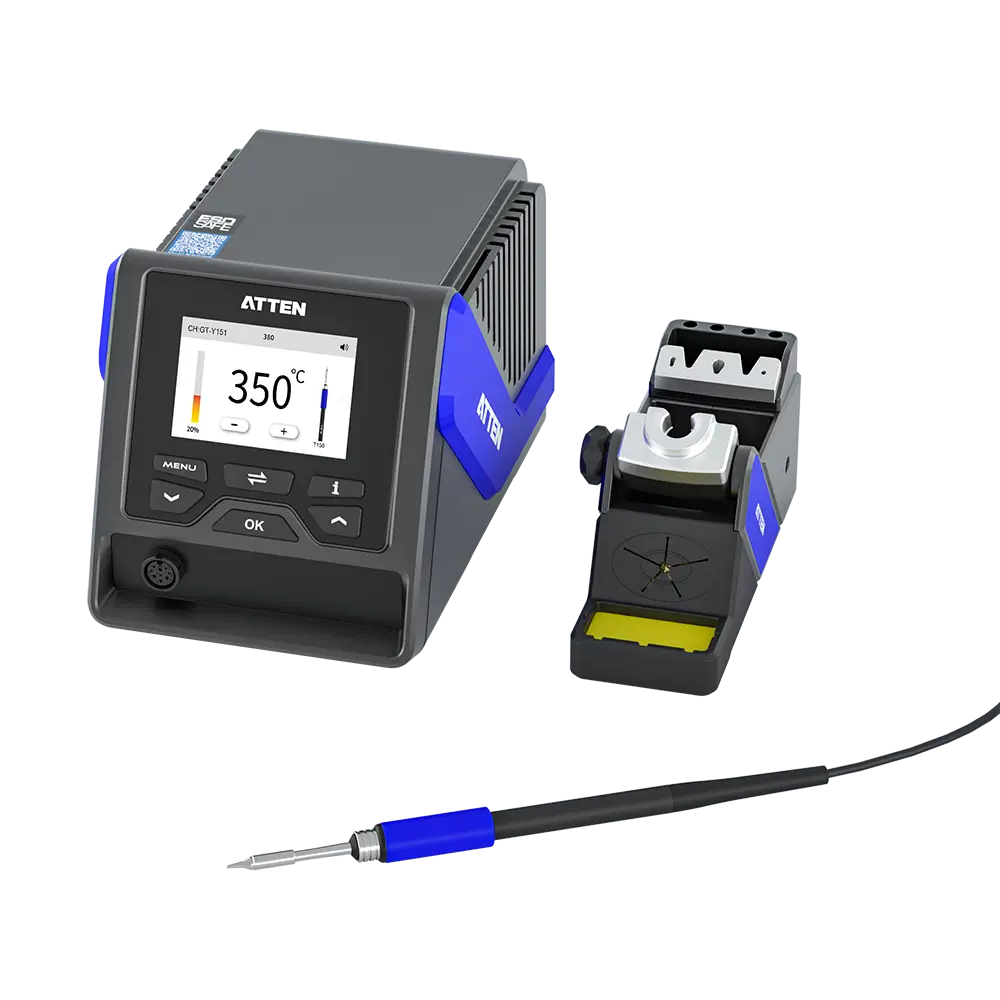
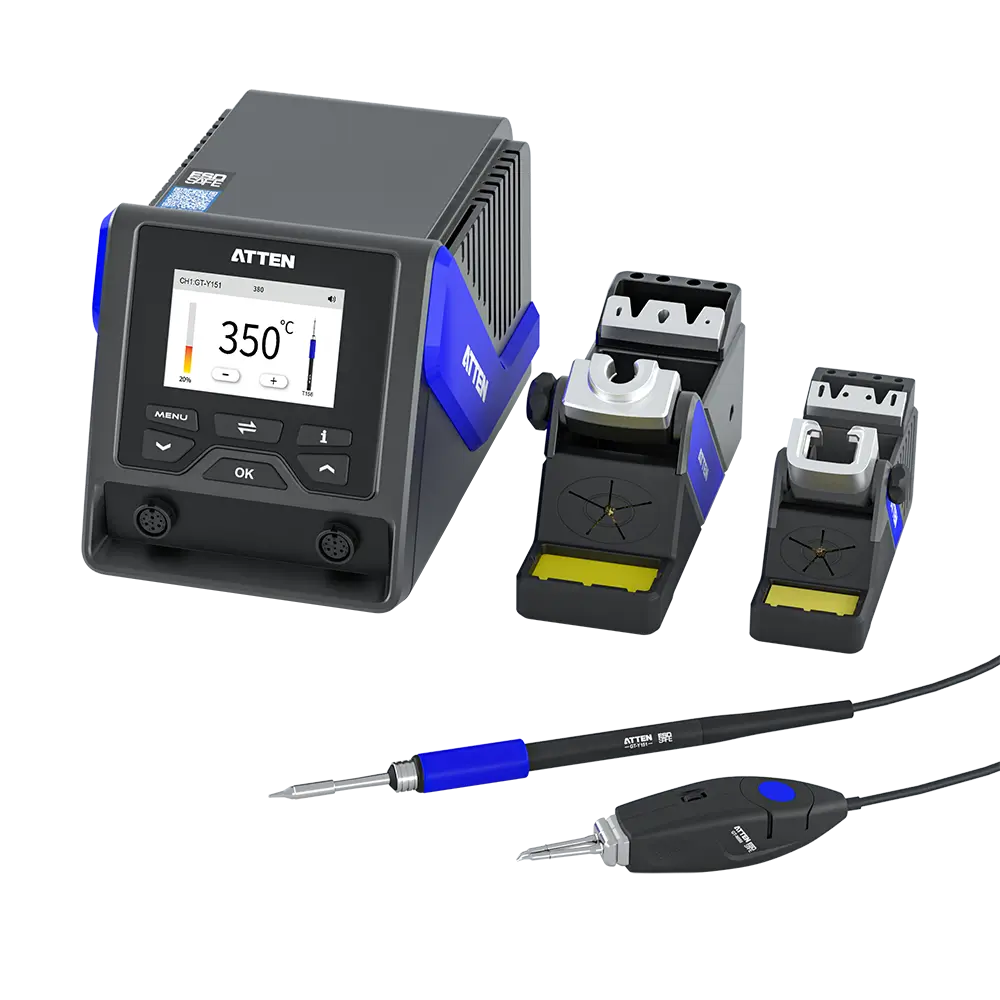
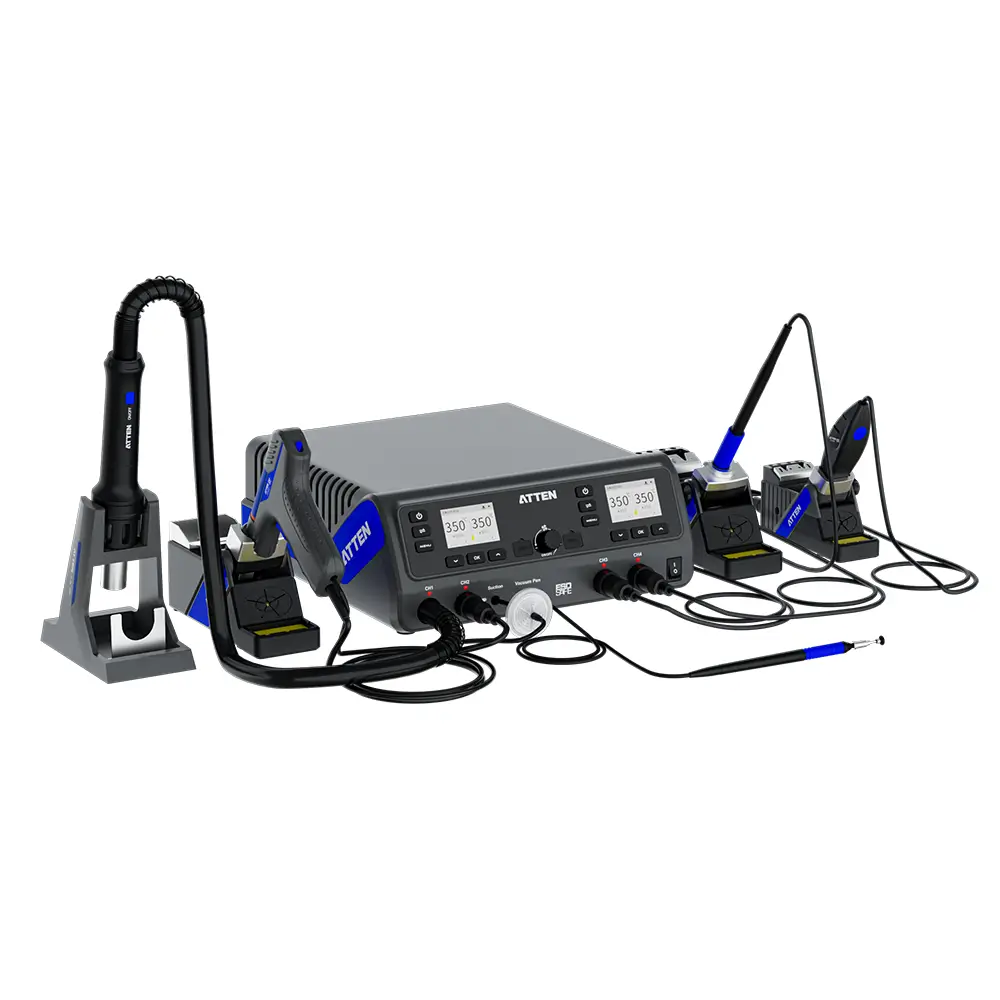
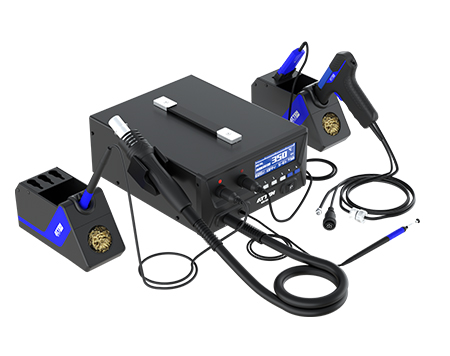
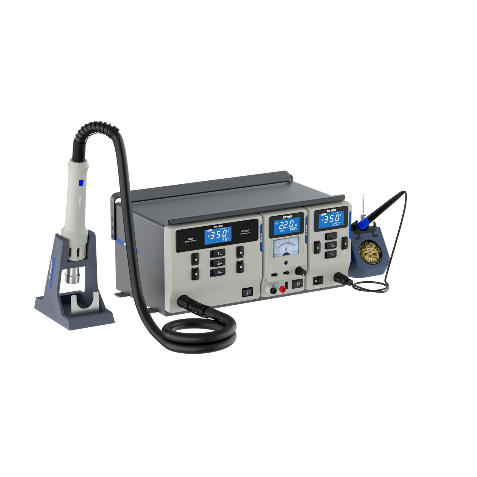
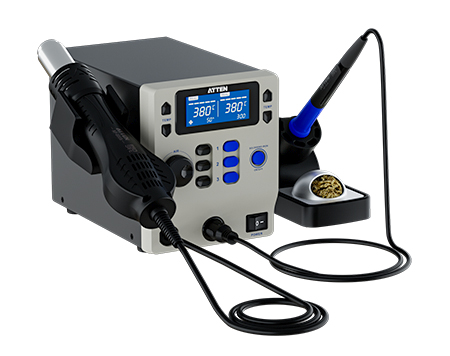
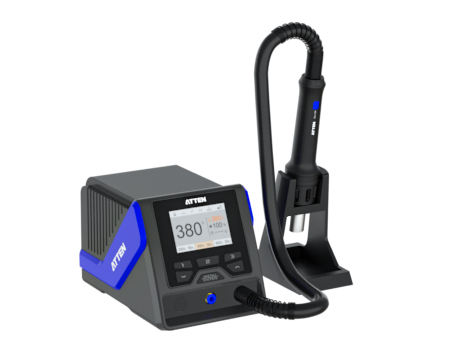
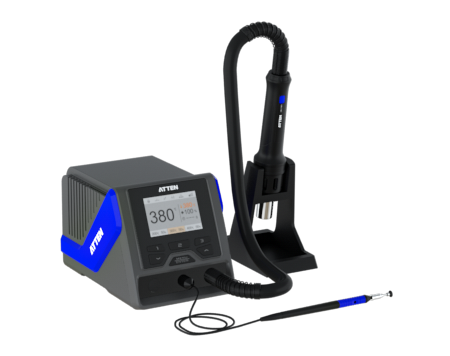
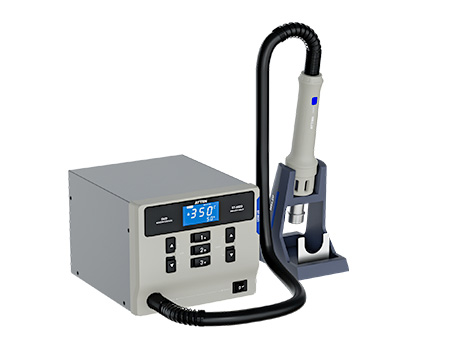
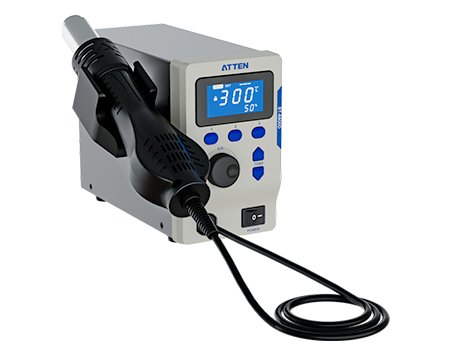
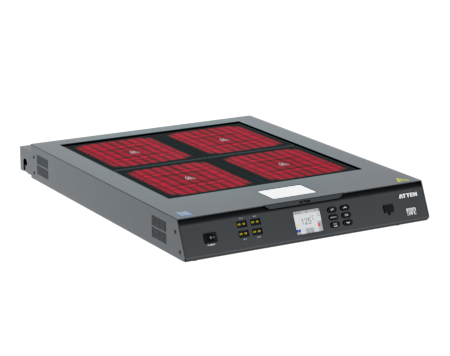
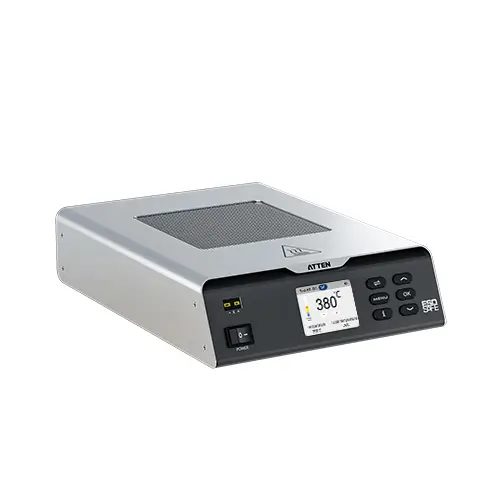
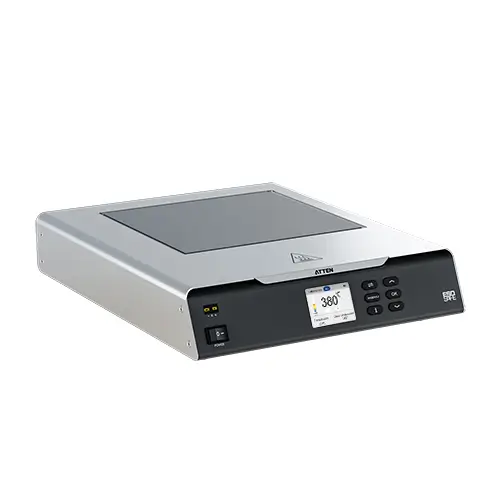
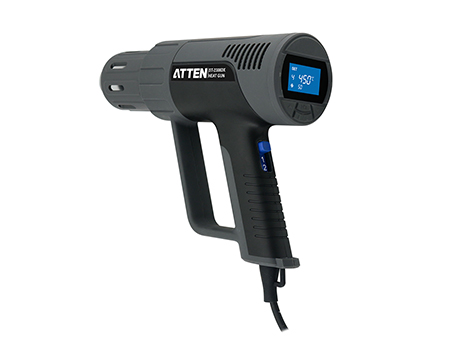
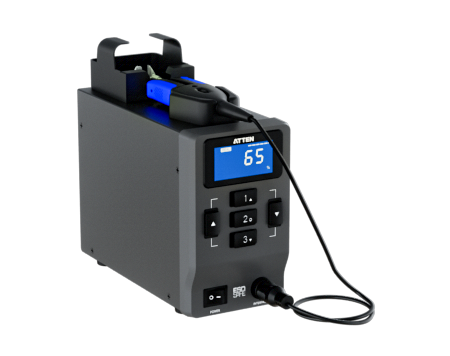
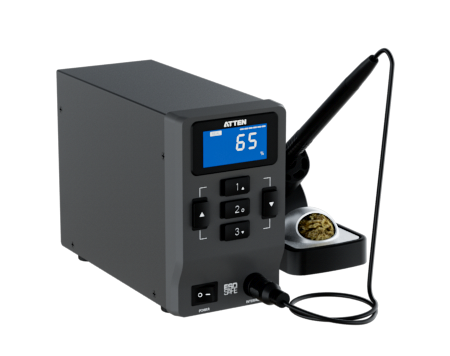
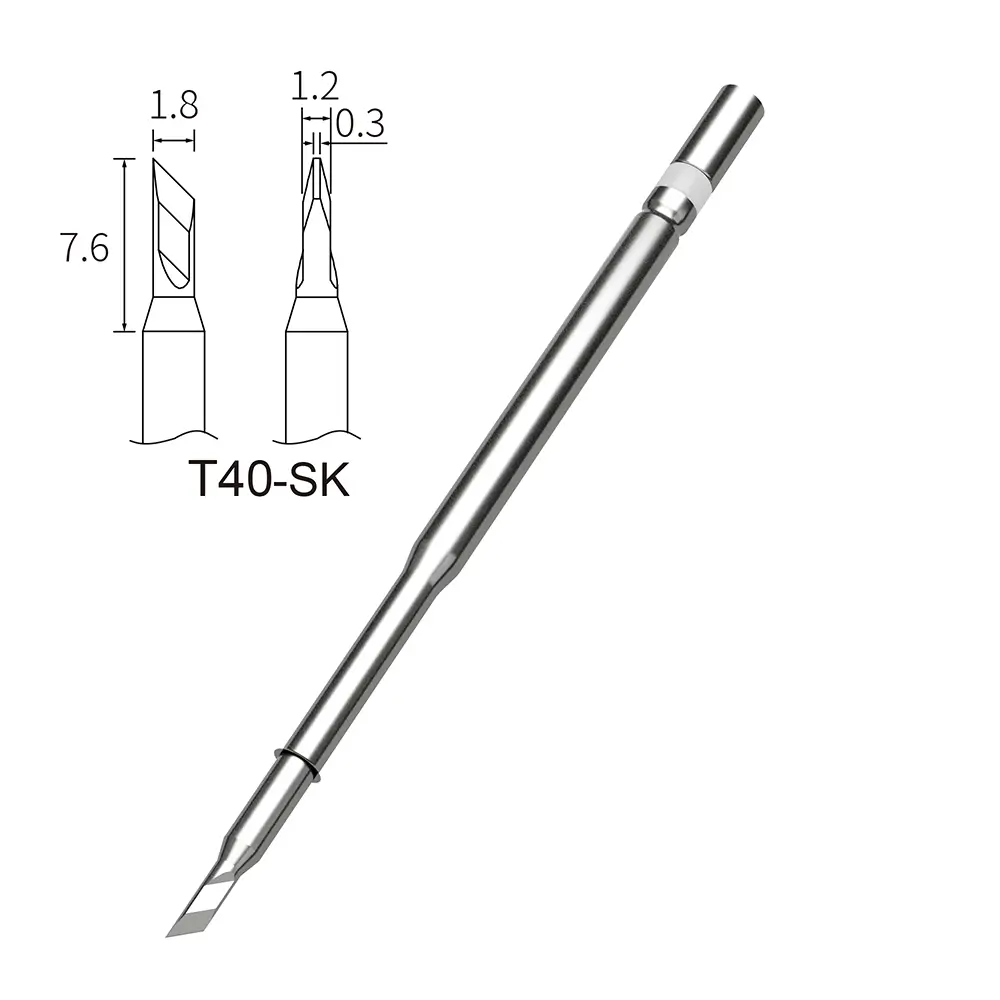
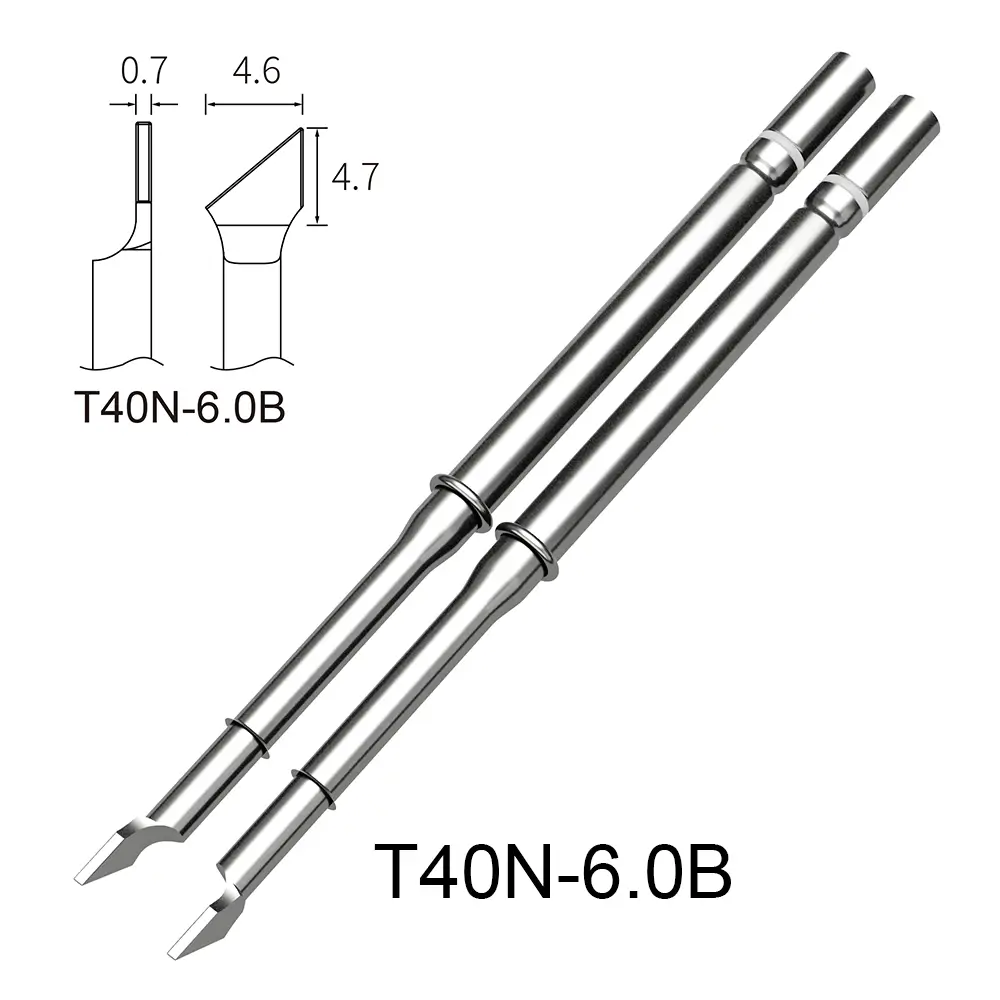
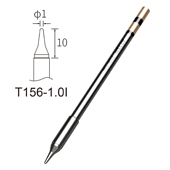
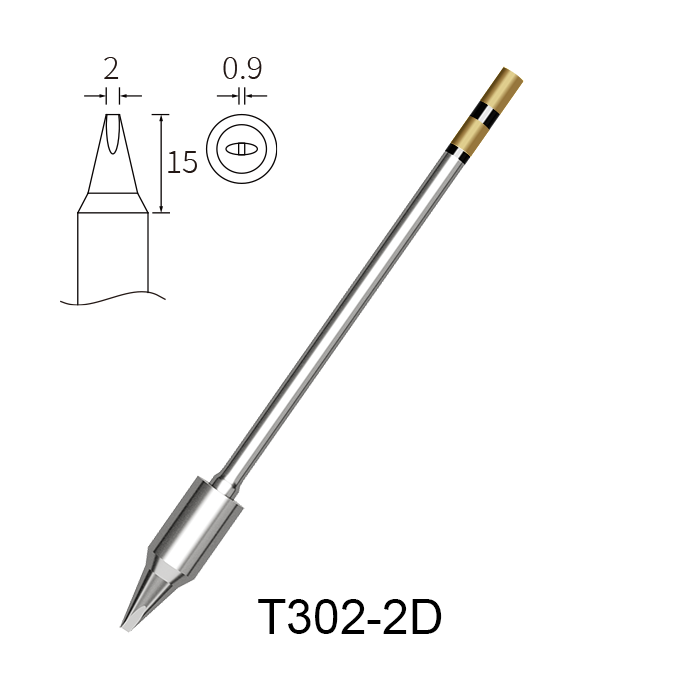
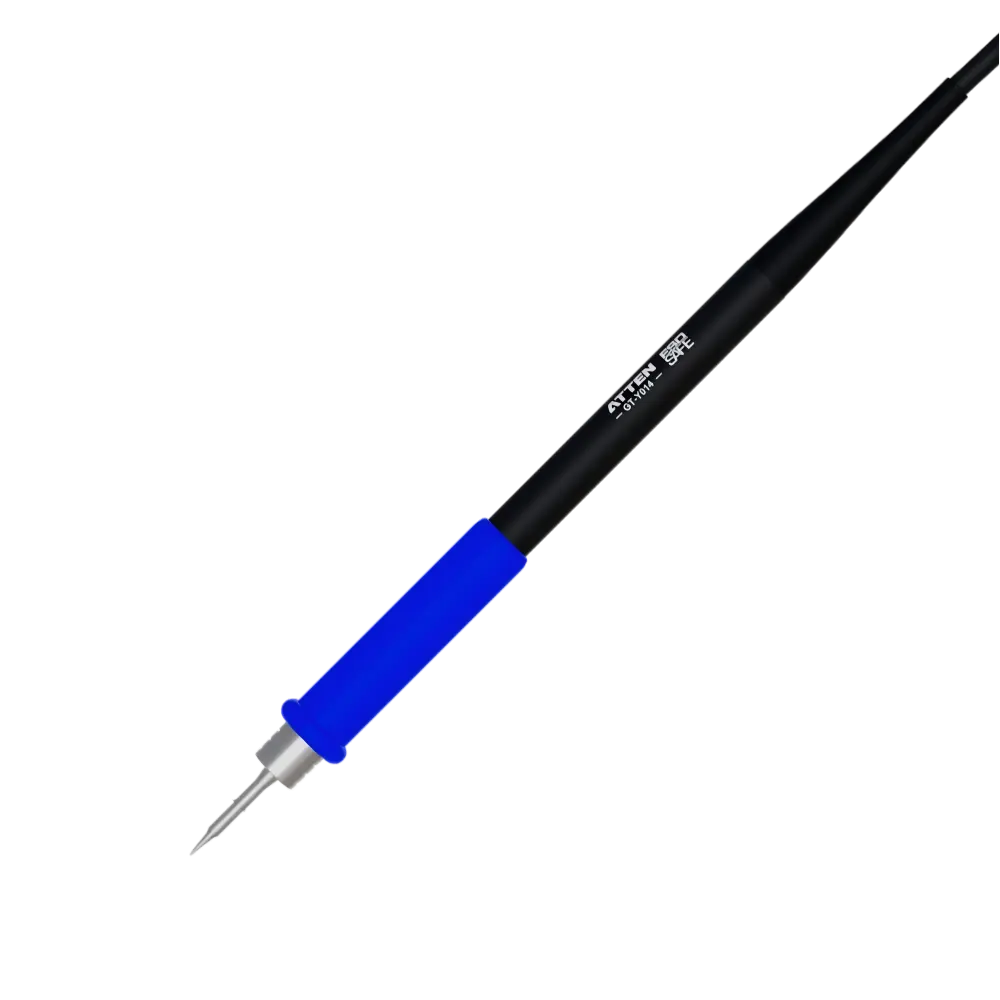
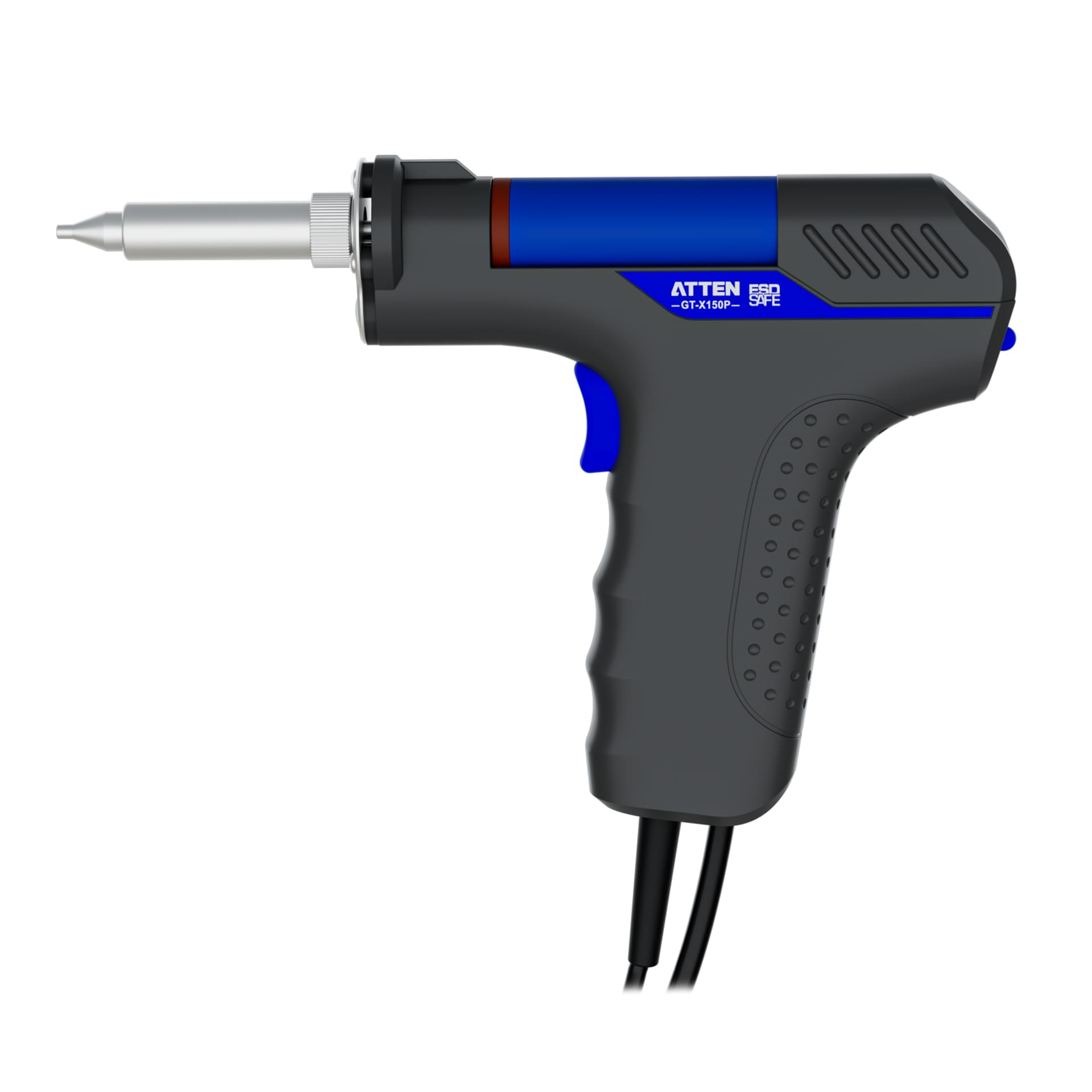
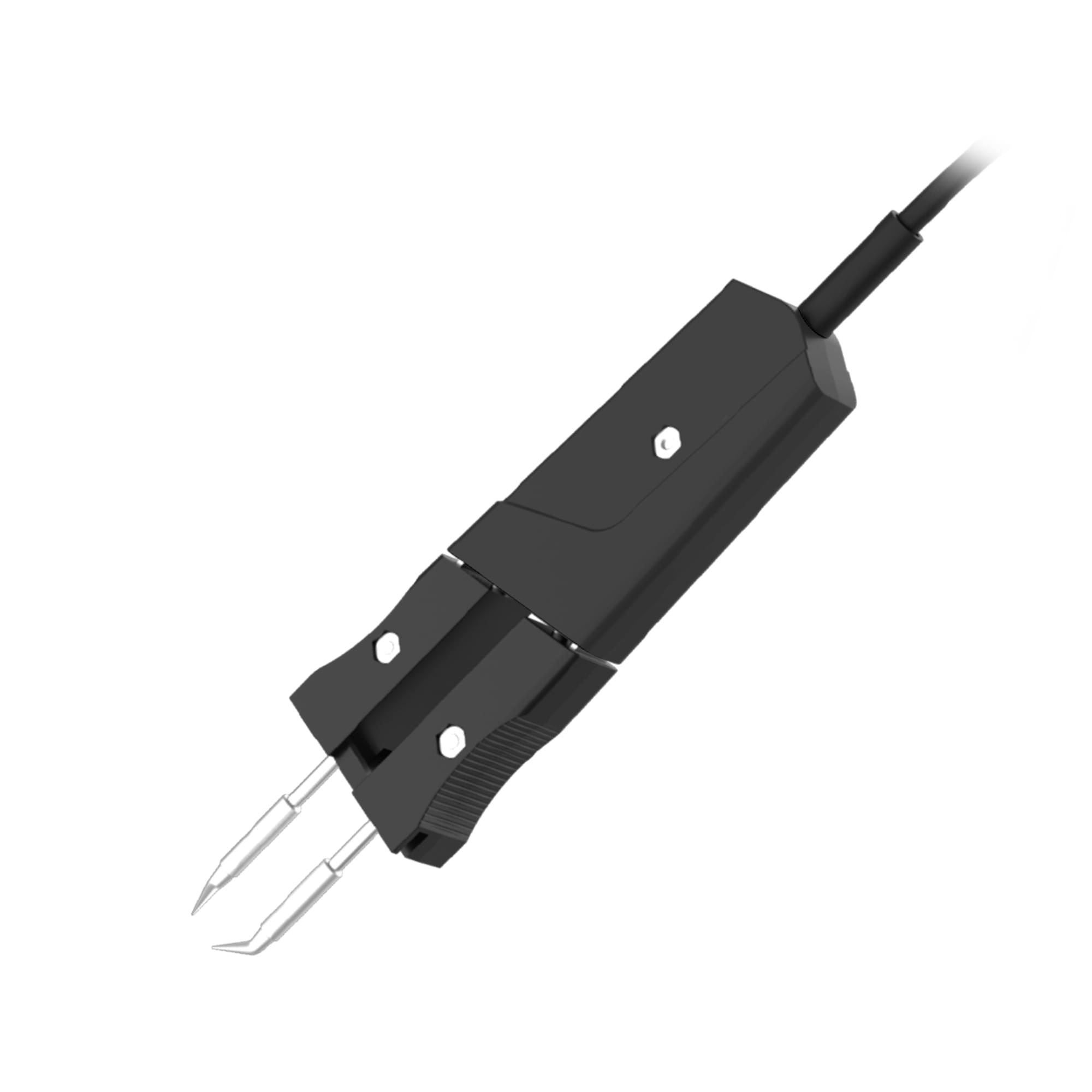
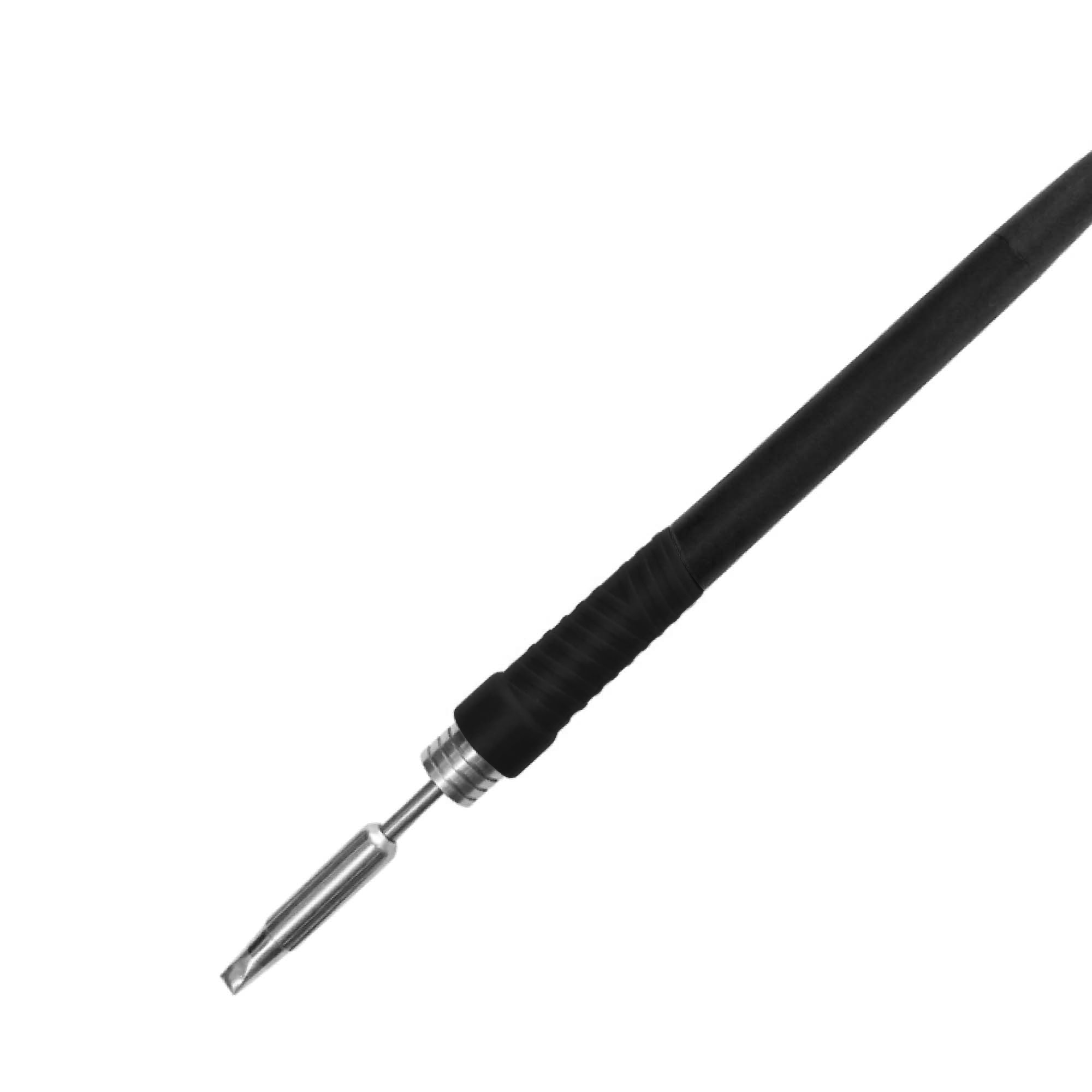
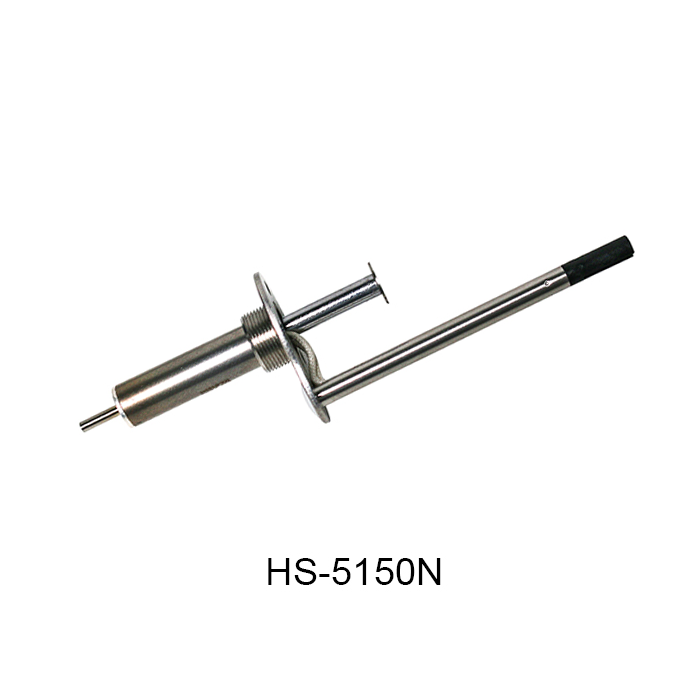
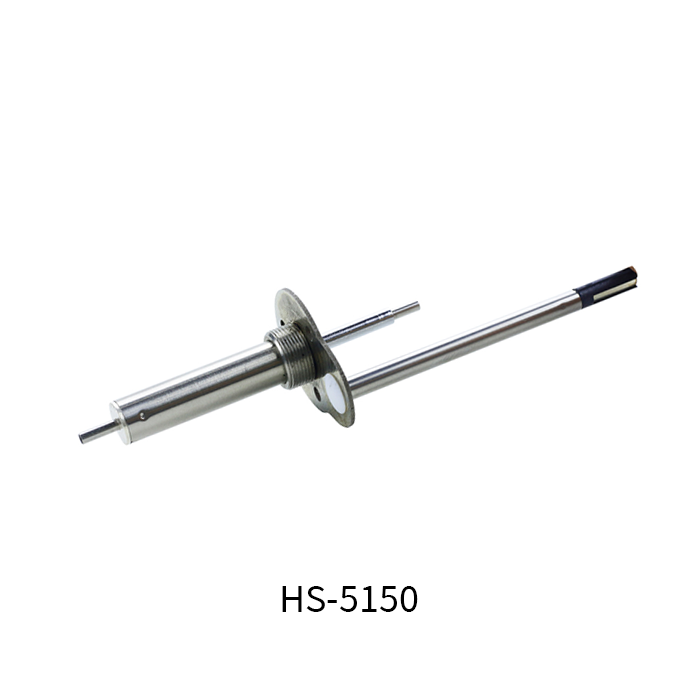
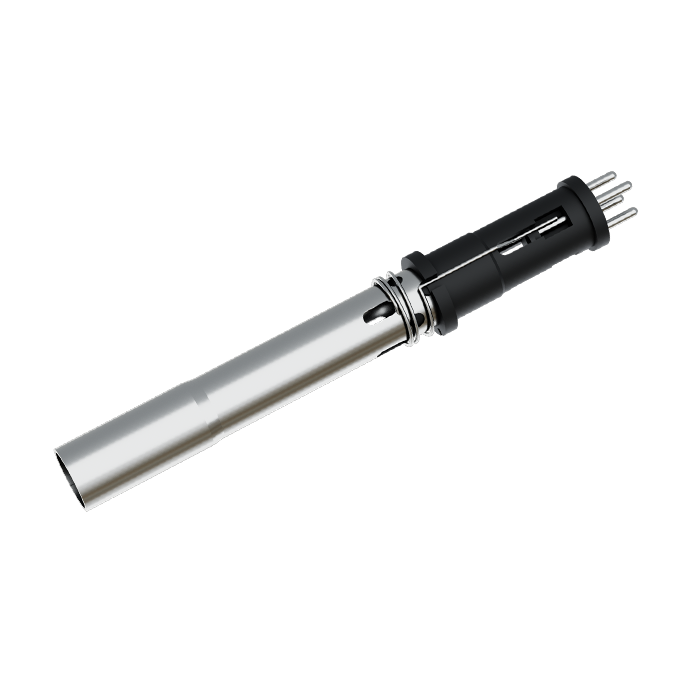
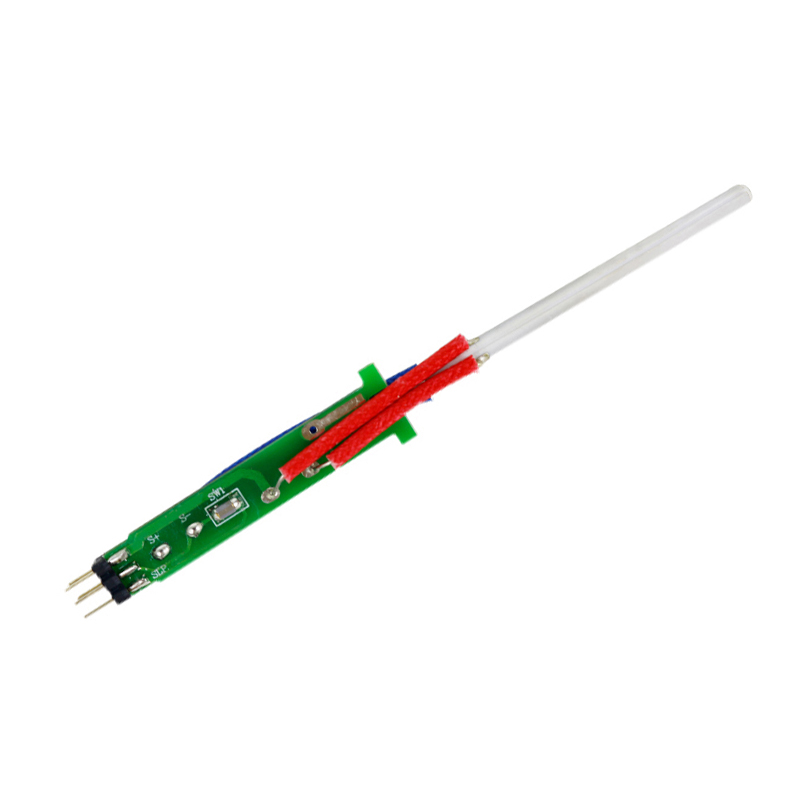
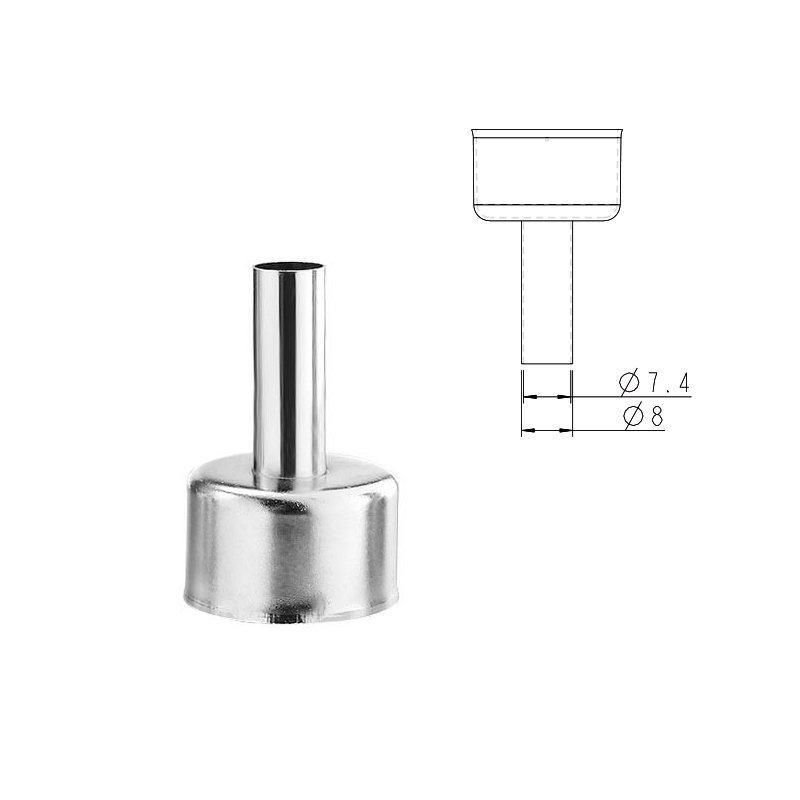
The MS-1600 can be discussed as an ATTEN Soldering and Rework Station example because its visible configuration fits the multifunction bench-tool category. It is identified as a 4 In 1 Intelligent Rework Station under ATTEN Soldering Equipment, with a host unit and tool set that includes a GT-Y151 soldering iron handle, GT-X151 desoldering gun, SP-202D hot air gun, and GT-N080 electric tweezers. That makes it relevant to soldering, desoldering, hot air handling, and tweezer-heating tasks in an electronic repair or assembly support environment. The same context also explains why material and fume knowledge is relevant: these tools can interact with solder joints, flux, component leads, pads, nozzles, suction paths, and heated board areas. The important boundary is that this information does not prove built-in fume extraction, ventilation performance, filtration efficiency, workplace exposure control, or compliance with any occupational exposure limit. A Certificate of Conformity item, manuals, software, or product video entry may be useful for understanding the equipment package and documentation path, but they should not be read as a complete occupational health claim. If a bench process involves rosin-containing flux, lead-bearing solder, frequent rework, or hot air desoldering on contaminated assemblies, the user still needs separate material safety information, workplace risk assessment, local exhaust decisions, and applicable health and safety requirements. This distinction is not a criticism of the MS-1600 rework station; it is the normal boundary between a rework tool and the controlled environment in which that tool is used. This boundary also prevents over-reading the phrase “intelligent” in a risk discussion. In this context, “intelligent” is a product category term, not evidence of automatic fume sensing, air monitoring, exposure logging, or built-in purification. Likewise, the presence of a hot air gun does not define the whole unit as only a hot air desoldering station, and the presence of a desoldering gun does not establish what alloys, fluxes, or board types are approved for every job. A technically careful reader should connect the MS-1600 to its visible role as a multifunction soldering and rework station, then keep material control, fume capture, and occupational exposure decisions in their own evidence lane.
Soldering materials and fumes matter because rework is both a tool process and a material process. Tin, lead, flux smoke, heated residues, and bench contamination can each influence how an electronic rework station is used, especially when work is repeated near the operator’s breathing zone. The MS-1600 provides a useful example of a multifunction soldering and rework station with soldering, desoldering, hot air, and tweezer tools, but its public product information should not be stretched into a claim about built-in extraction, ventilation, exposure limits, or full workplace compliance. Readers should treat tool selection, material safety information, and workplace controls as connected but separate parts of the same bench environment.
Q:Why do solder fumes matter in a rework station?
A:Solder fumes matter because rework usually happens close to the operator, often with repeated heating of flux, solder joints, residues, and board surfaces. The visible smoke can irritate the respiratory system and may indicate airborne contaminants that should be captured or controlled. A rework station supplies heat and tool functions, but fume risk depends on materials, work frequency, airflow, operator position, and workplace controls.
Q:Does tin or lead exposure change how the workspace should be controlled?
A:Yes. Tin and lead are material exposure topics, so the workspace should be controlled according to the solder alloy, process, local requirements, and material safety information. Lead-bearing work especially needs careful control of residues, hand hygiene, waste, surface cleaning, and exposure prevention. The rework station model alone cannot determine whether a bench is suitable for a given tin or lead process.
Q:Can the MS-1600 page prove built-in fume extraction or compliance?
A:No. The MS-1600 information supports understanding it as an ATTEN 4 In 1 Intelligent Rework Station with soldering, desoldering, hot air, and electric tweezer tools. It does not, by itself, prove built-in fume extraction, ventilation capacity, filtration performance, occupational exposure control, or compliance with a specific health and safety requirement. Those points need separate documentation and workplace evaluation.
Health and Safety Executive: Solder Fume and You
CDC - NIOSH Pocket Guide to Chemical Hazards - Tin
CDC - NIOSH Pocket Guide to Chemical Hazards - Lead

Copyright © 2025 SHENZHEN ATTEN TECHNOLOGY CO., LTD All Reserved.