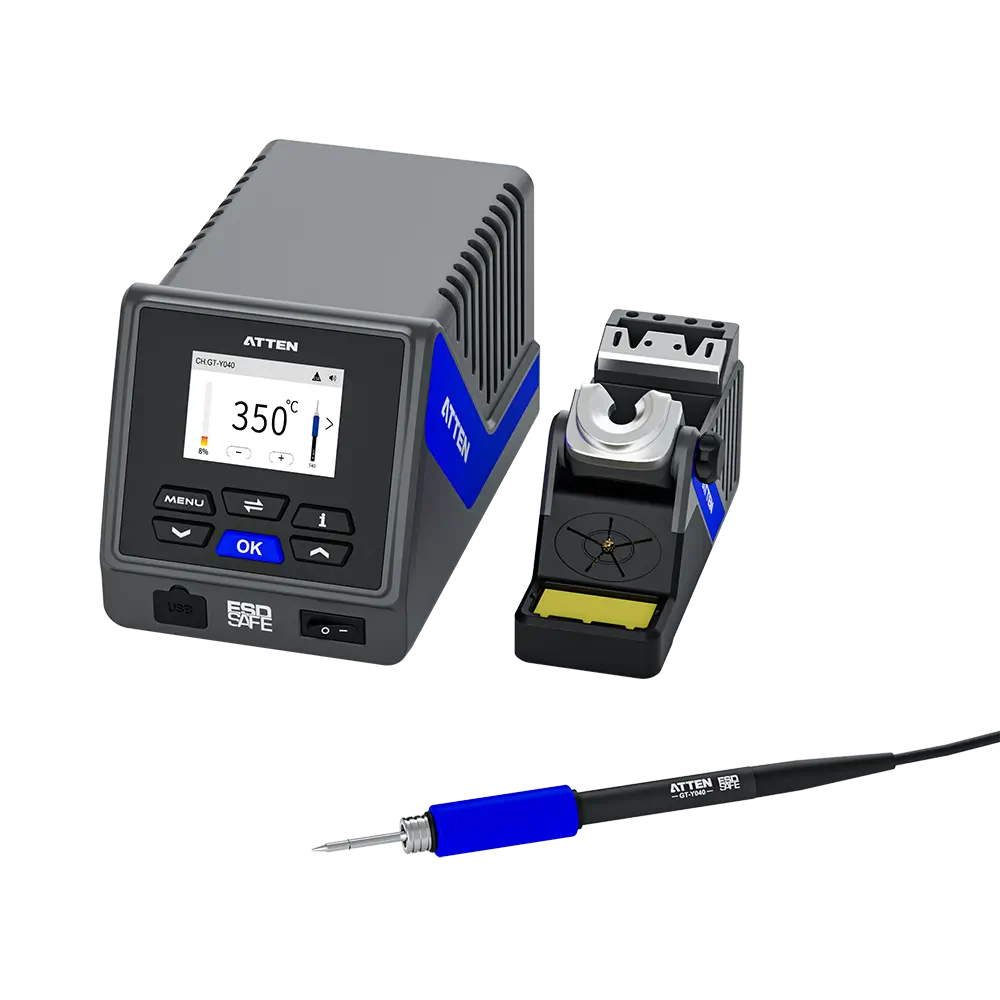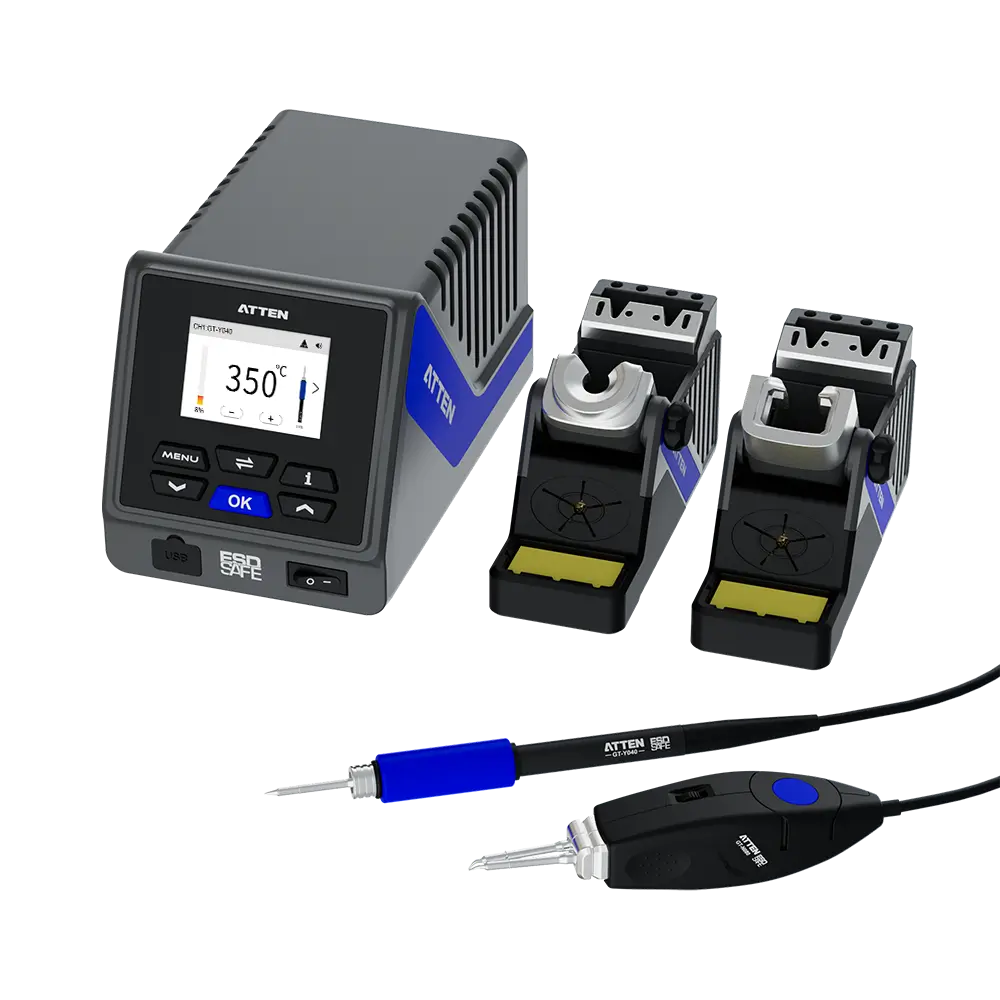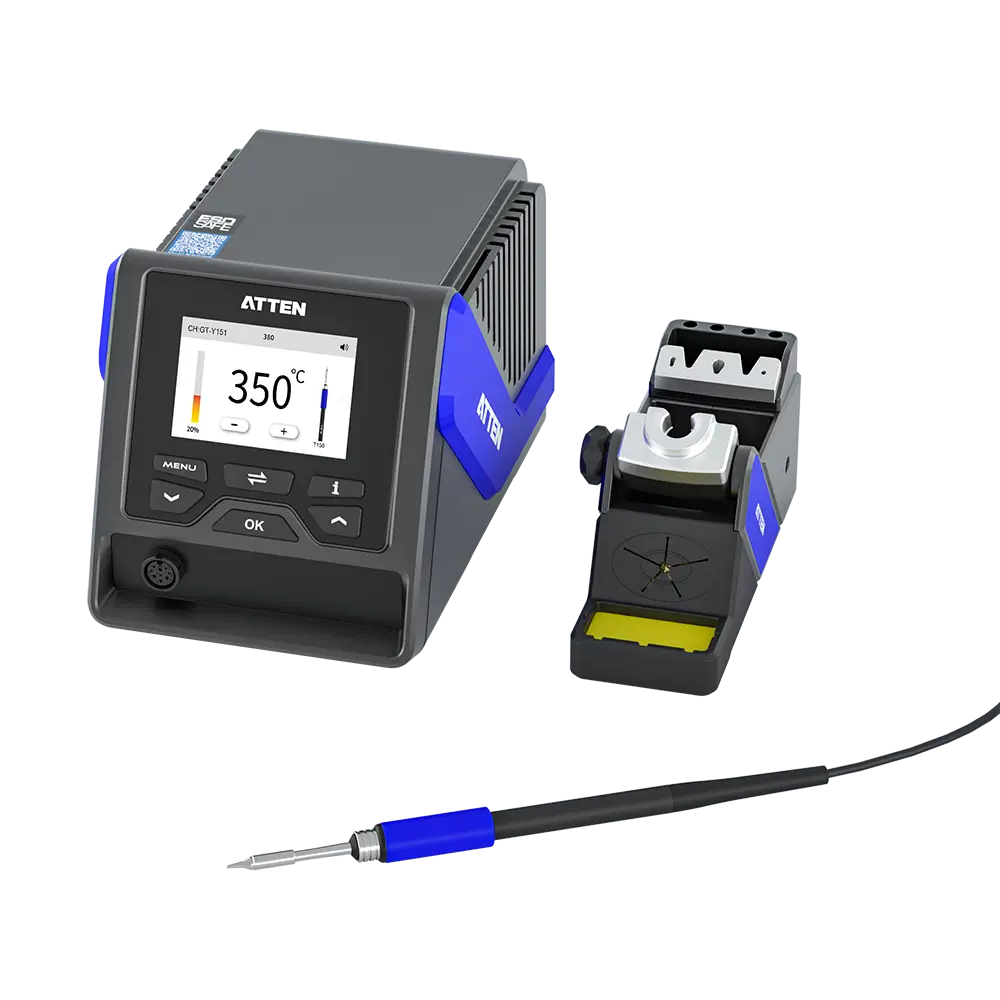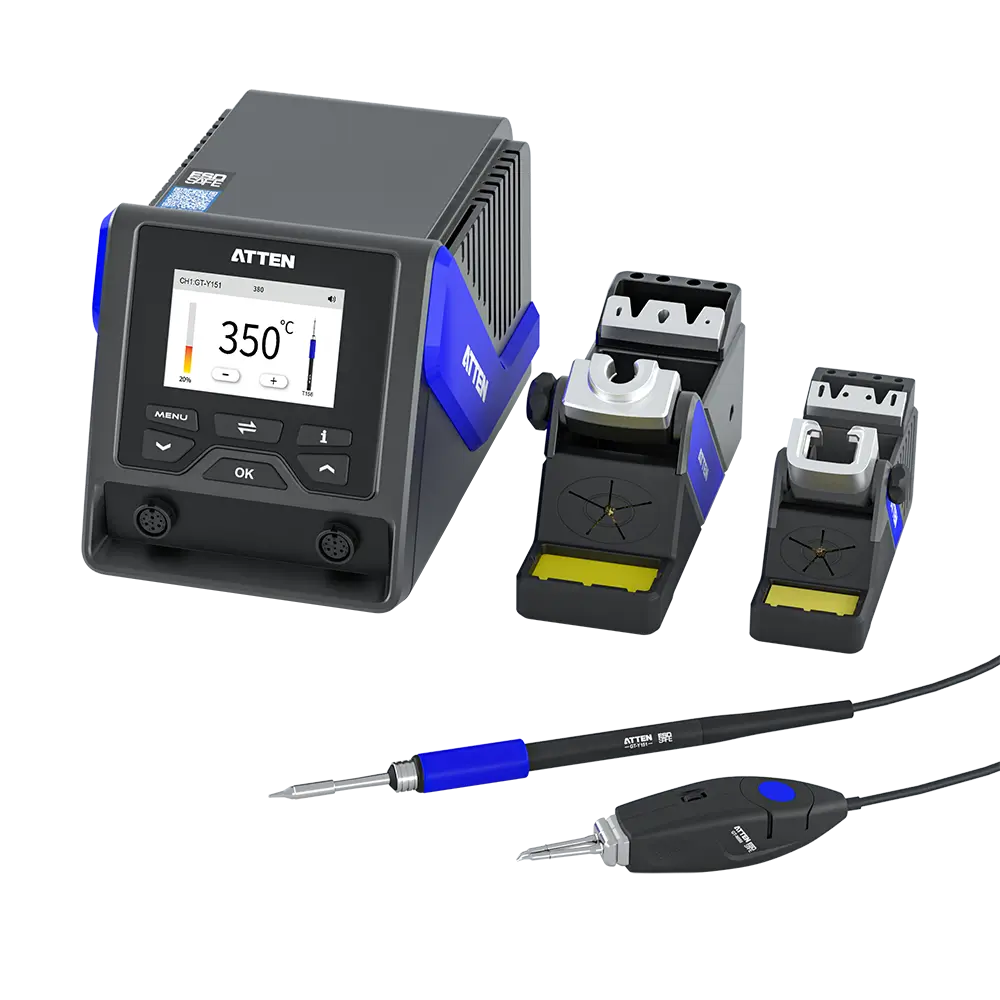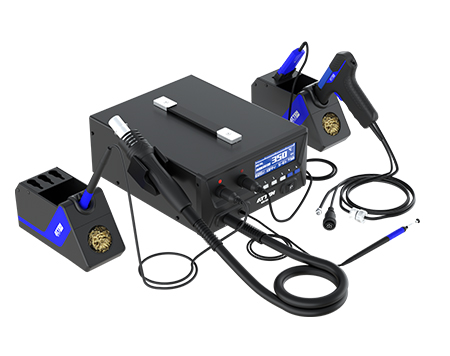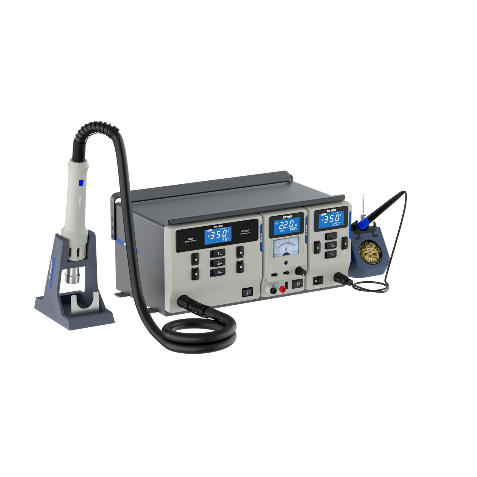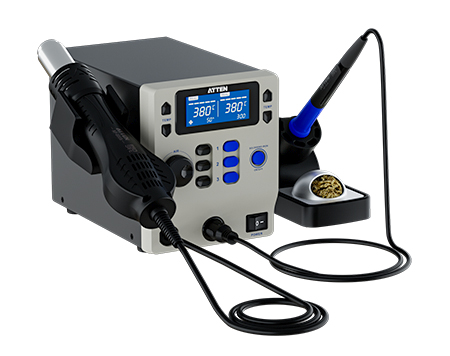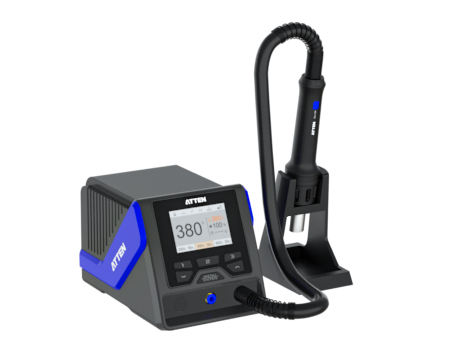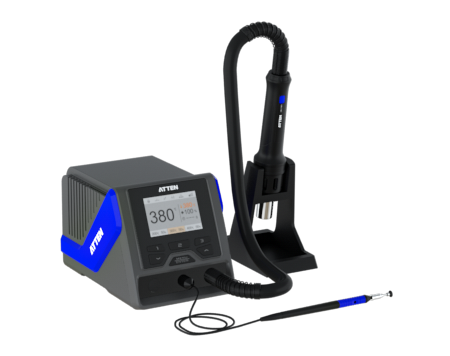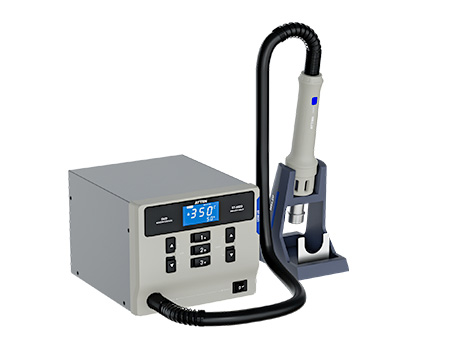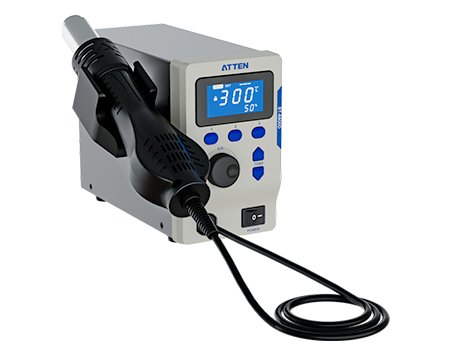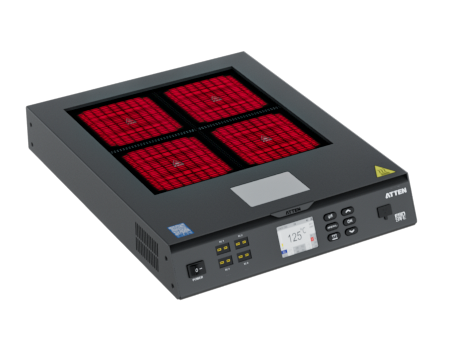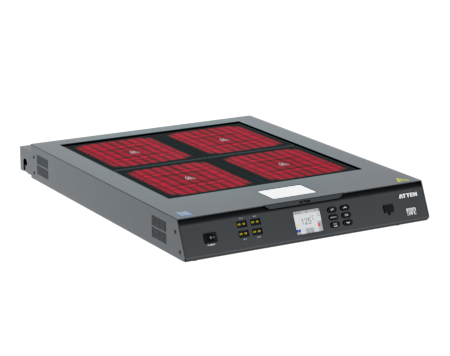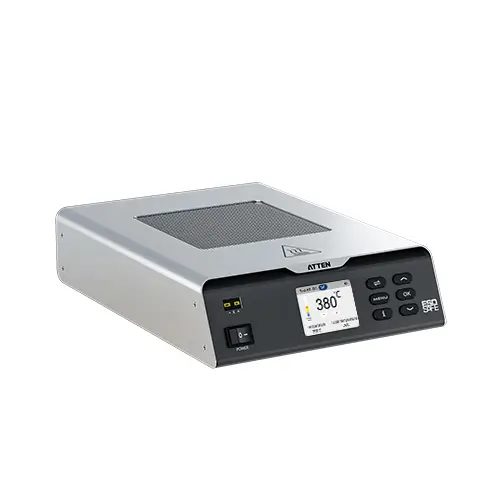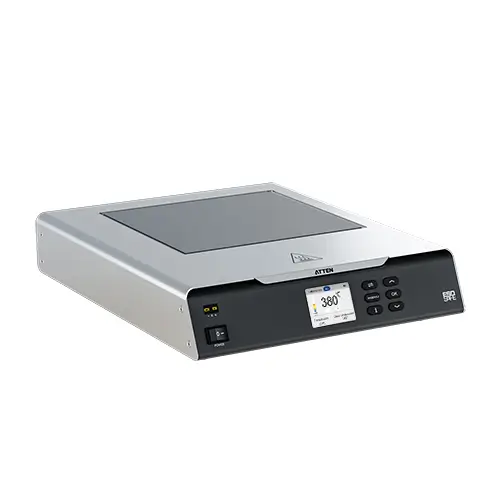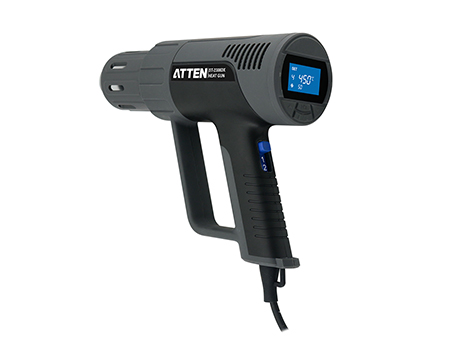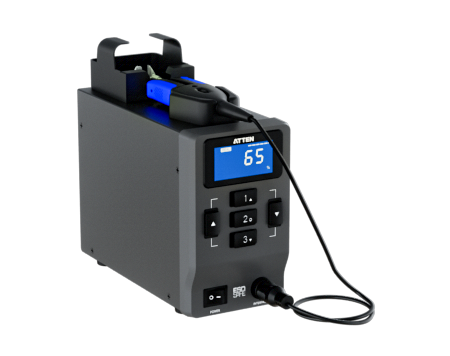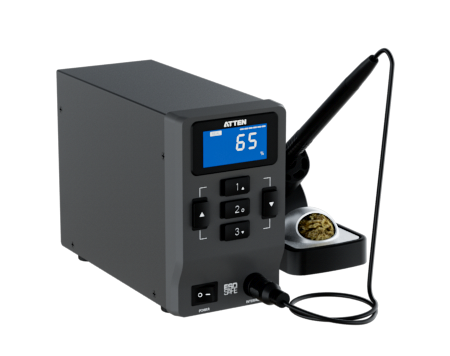
Introduction: The MS-1600 rework station is best understood through the bench scenarios where soldering, desoldering, hot air, and heated tweezers may work together.
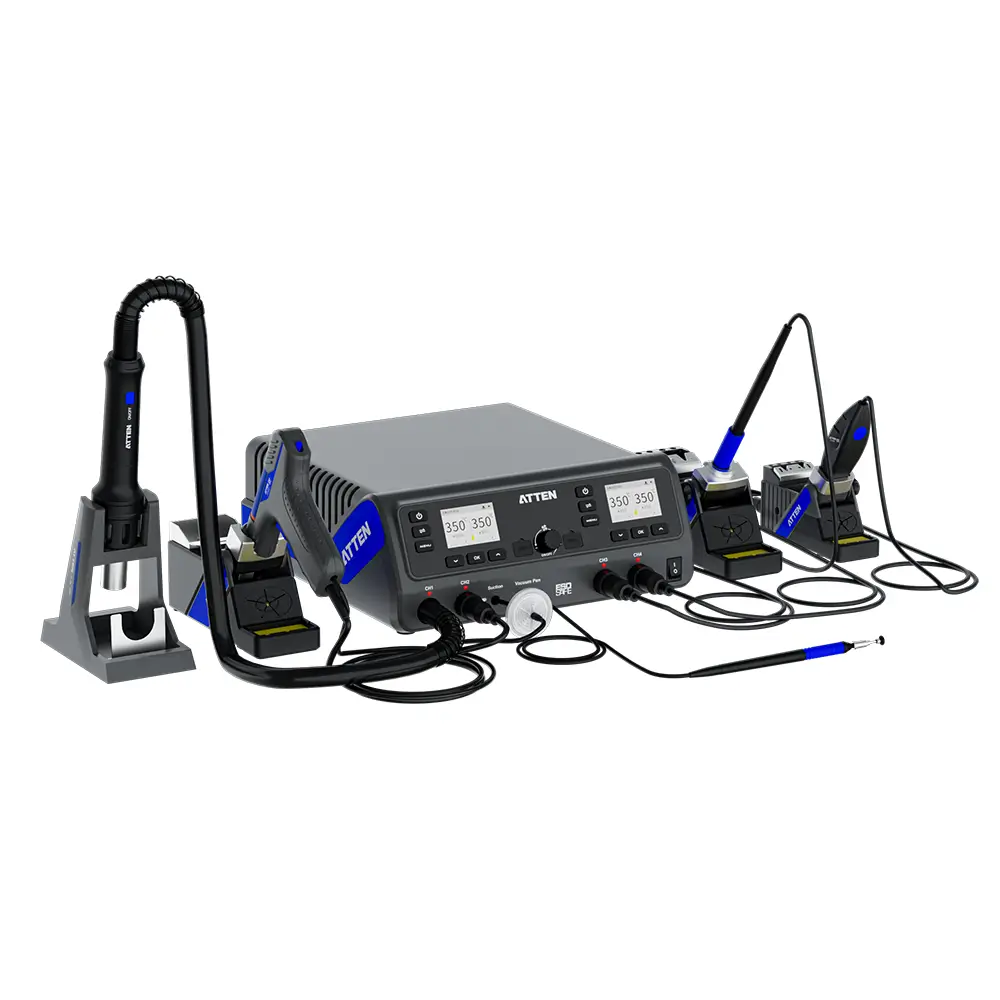
For engineers, repair technicians, and equipment evaluators, the useful question is not whether one station can solve every PCB problem. The better question is how a 4 in 1 rework station fits into professional electronic repair, electronic assembly support, and rework bench planning. ATTEN identifies the MS-1600 as a 4 In 1 Intelligent Rework Station, with a host unit and tool set that includes a soldering iron handle, desoldering gun, hot air gun, and electric tweezers. That combination gives readers a practical way to understand common rework station search terms while keeping task compatibility tied to component data, board condition, solder material, and confirmed equipment specifications.
Electronic repair and assembly benches rarely involve only one kind of heating or removal task. A technician may need to form or restore solder joints, remove solder from through-hole connections, apply hot air around surface-mounted parts, or handle small components with heated tweezers. These tasks are related, but they do not have the same physical demands. A soldering iron handle concentrates heat at a tip, a desoldering gun is associated with solder removal and suction support, a hot air gun distributes heat over an area, and electric tweezers can support paired contact around small components. The scenario value of a soldering desoldering hot air rework station comes from bringing these different directions into one bench-level equipment category. This matters because repair and assembly work often moves between diagnosis, removal, replacement, and correction. Through-hole soldering knowledge, for example, helps explain why localized soldering and solder removal remain relevant for connectors, leads, and plated holes. SMT manufacturing and surface mount reflow materials, meanwhile, help explain why hot air and controlled thermal handling are part of many modern electronics workflows. Those industry references support the general background, not a claim that any single station automatically fits every surface-mount package or every board design. For an MS-1600 rework station, the conservative reading is that the tool combination can help readers map a professional bench around several common operation directions, while the exact process still depends on the board, component, solder, and available technical data. The bench scenario also differs from the workbench environment itself. ESD control, ventilation, board holding, inspection, lighting, and operator training are separate parts of a professional setup. A rework station may sit at the center of heating and solder handling, but it does not replace environmental controls or component-specific procedures. That boundary is important for readers comparing equipment categories. The MS-1600 can be placed in an electronic repair, assembly support, or rework bench context because of its tool set, but the complete bench still requires supporting controls that come from workplace procedures and PCB handling requirements.
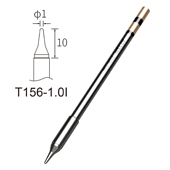
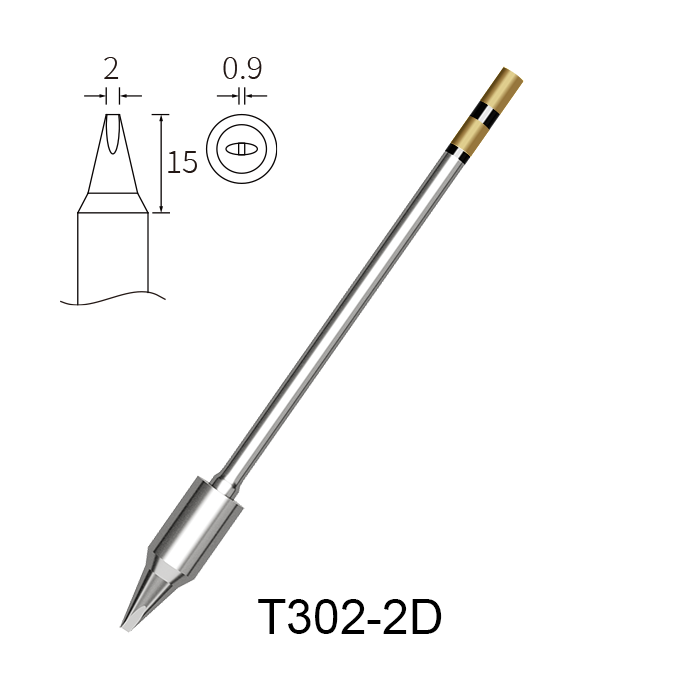
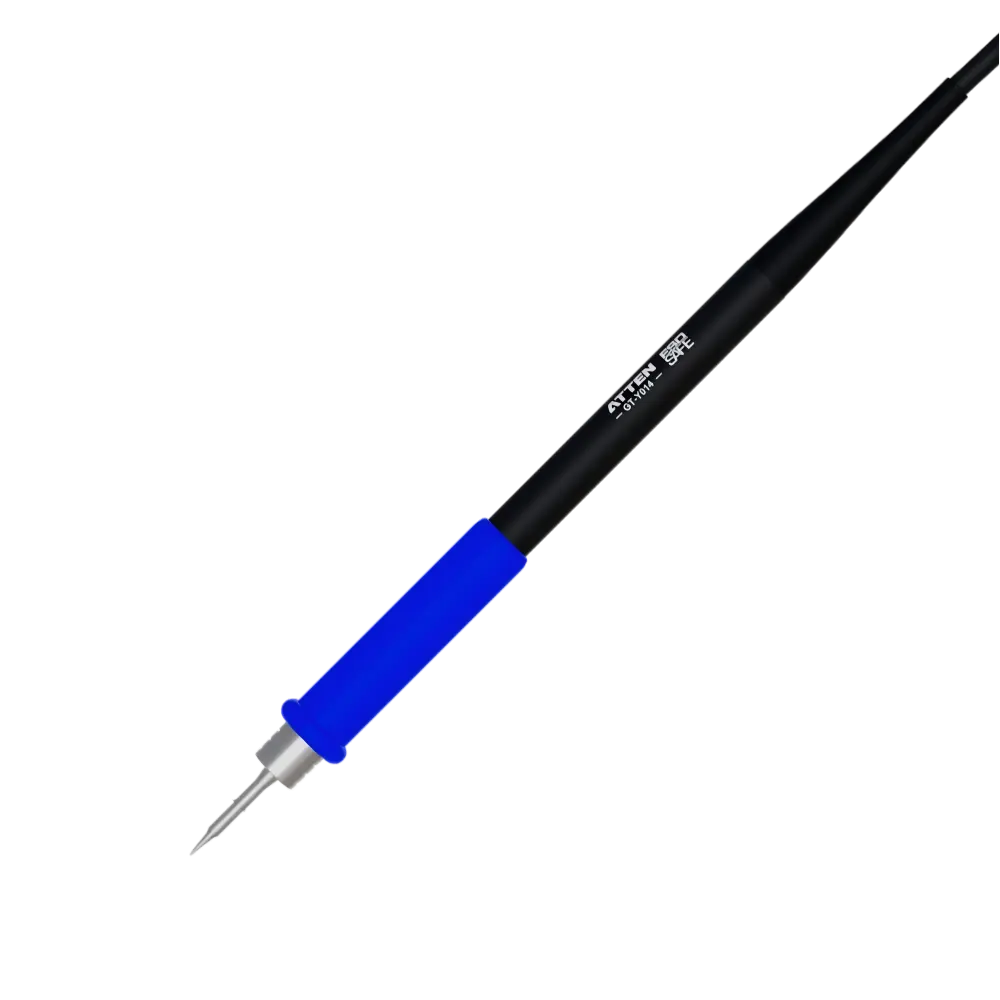
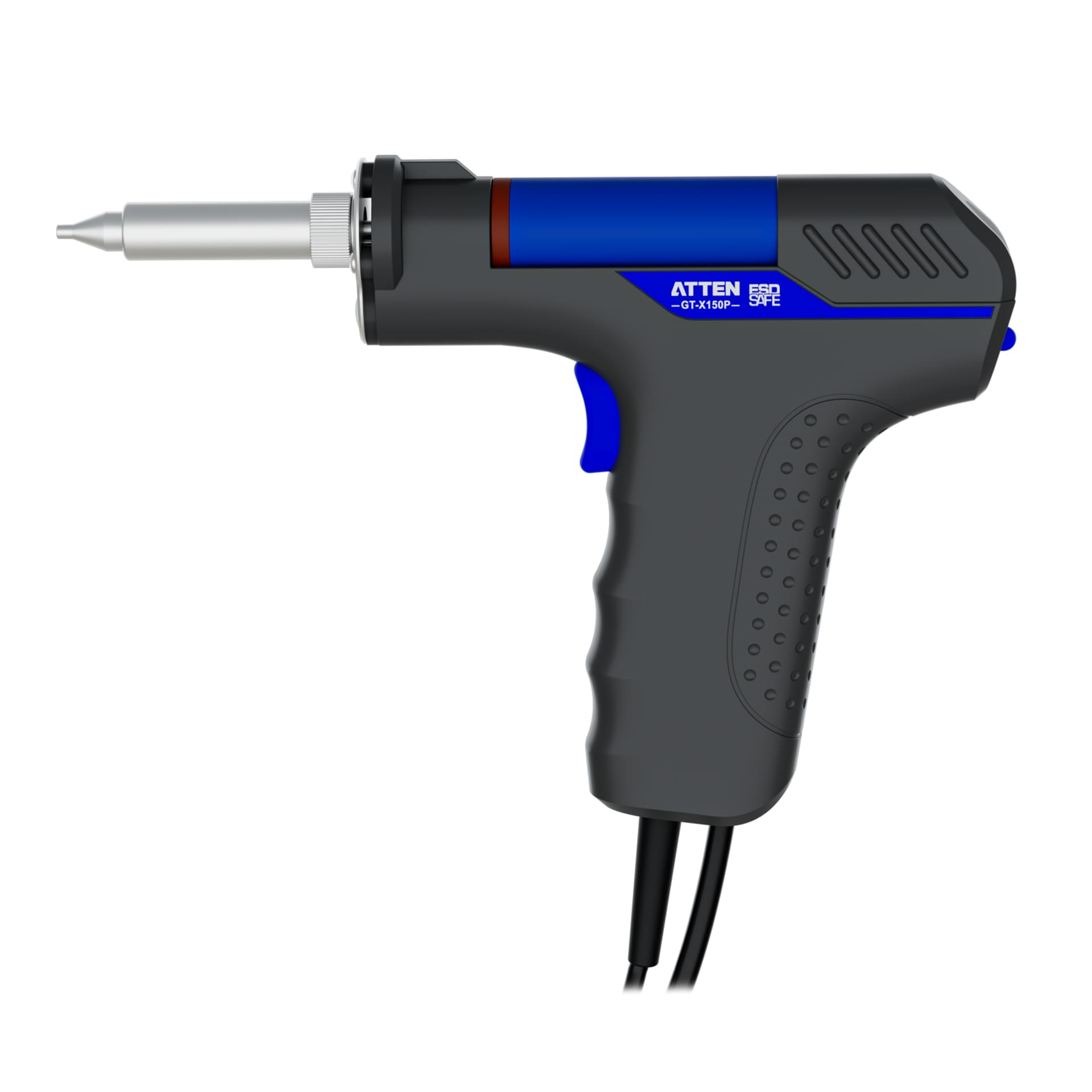
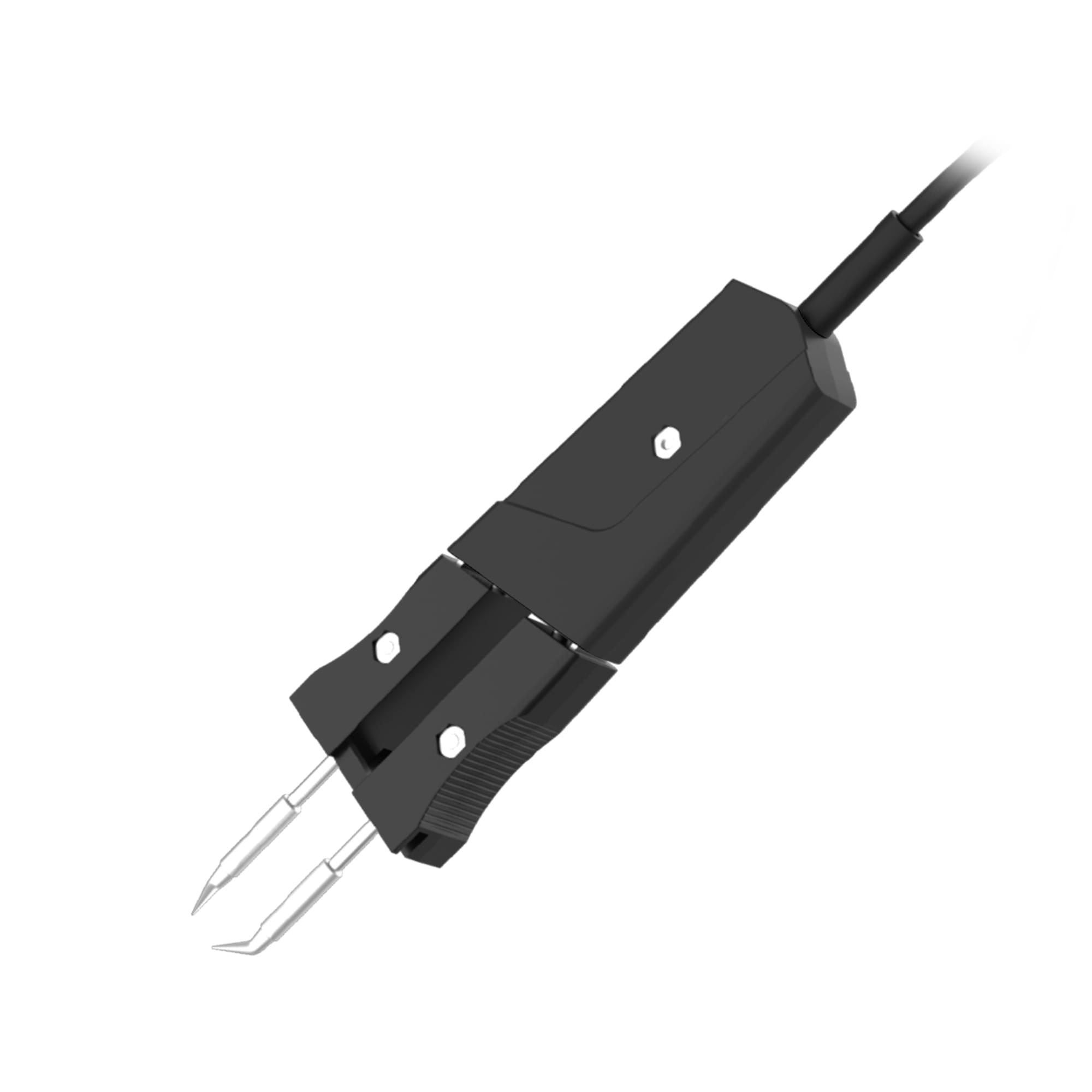
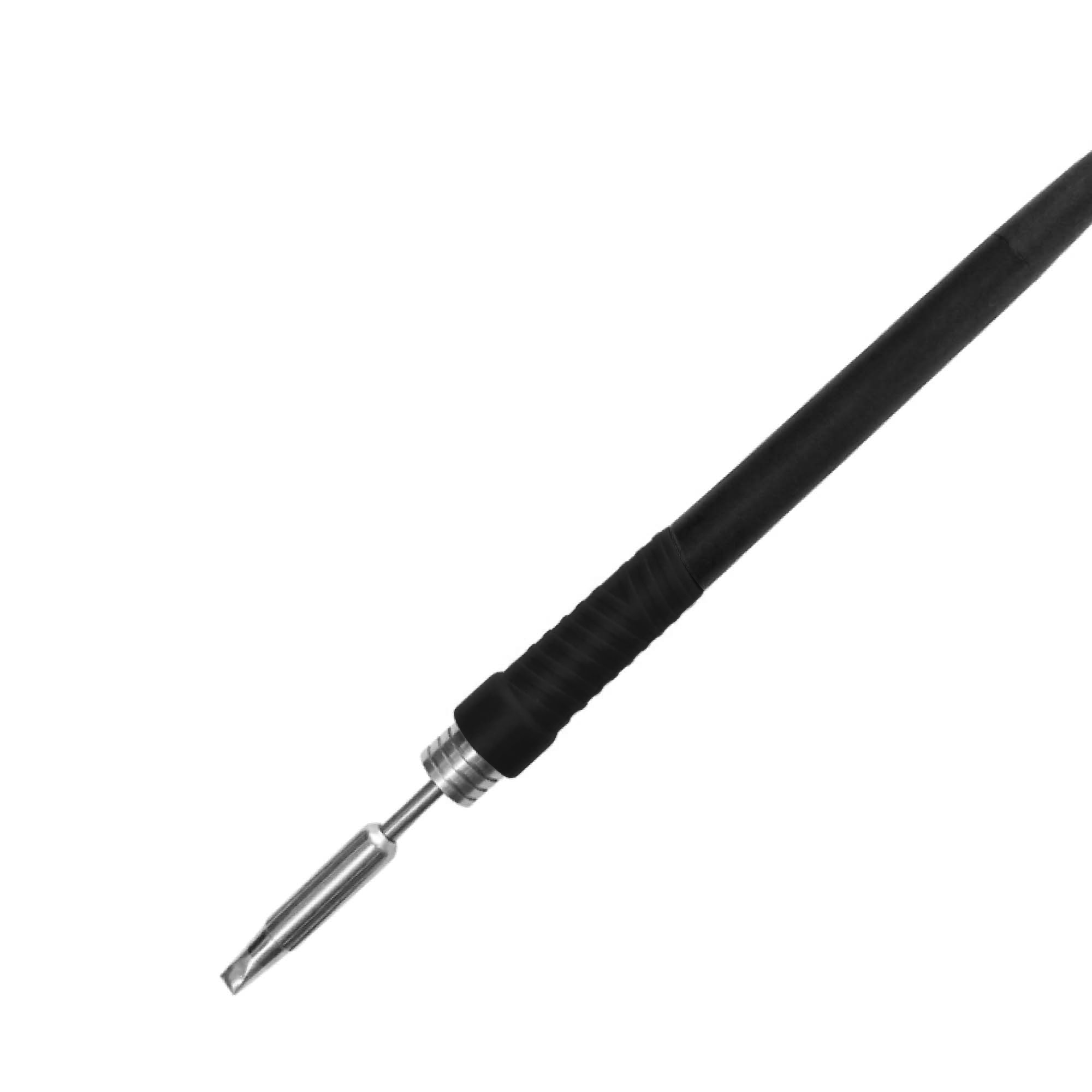
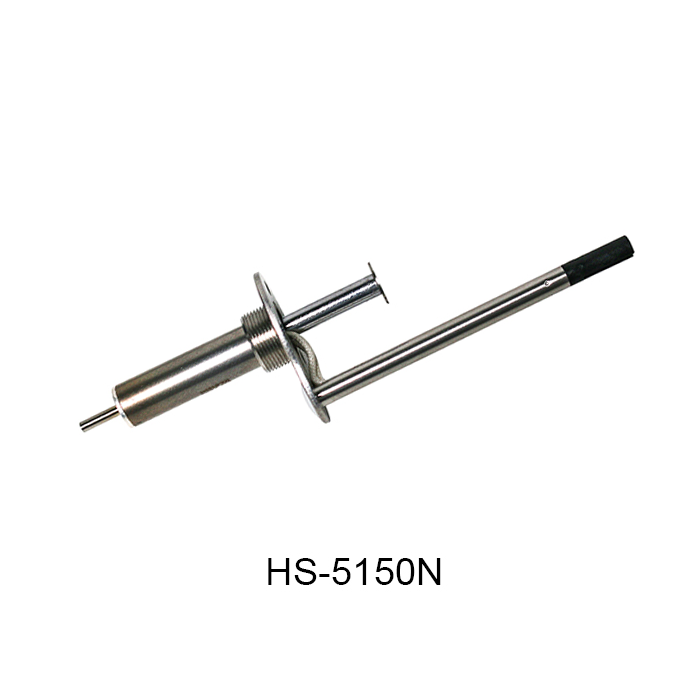
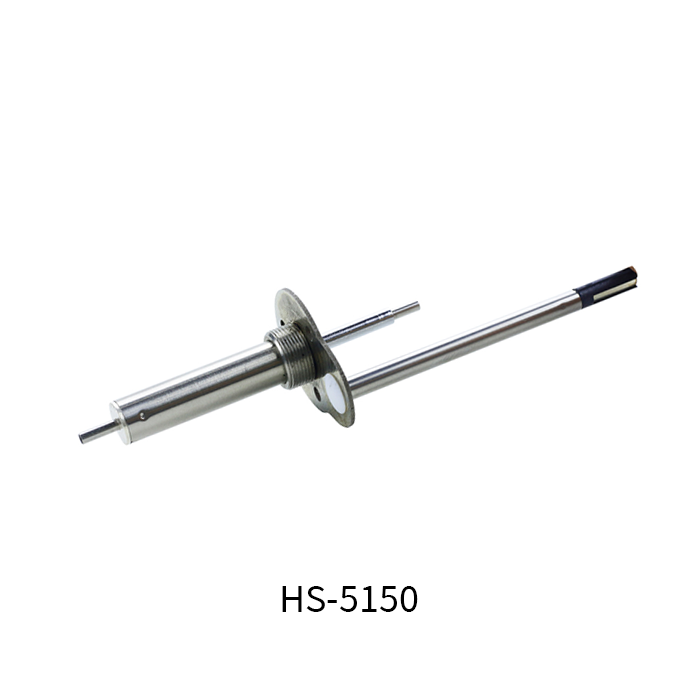
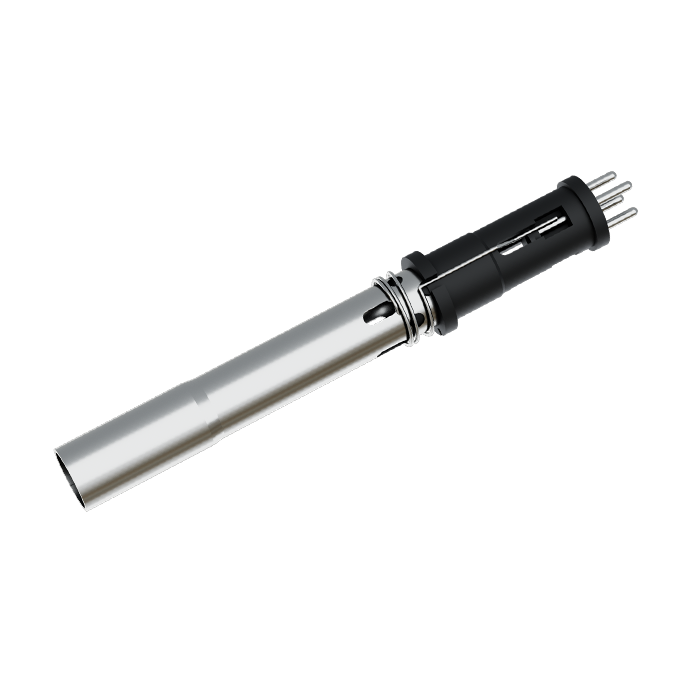
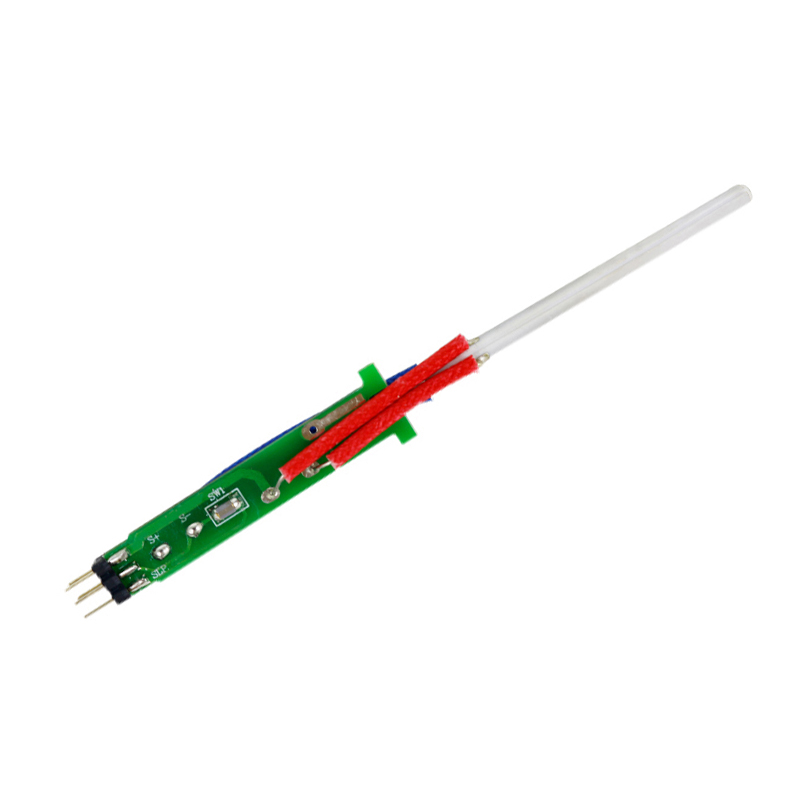
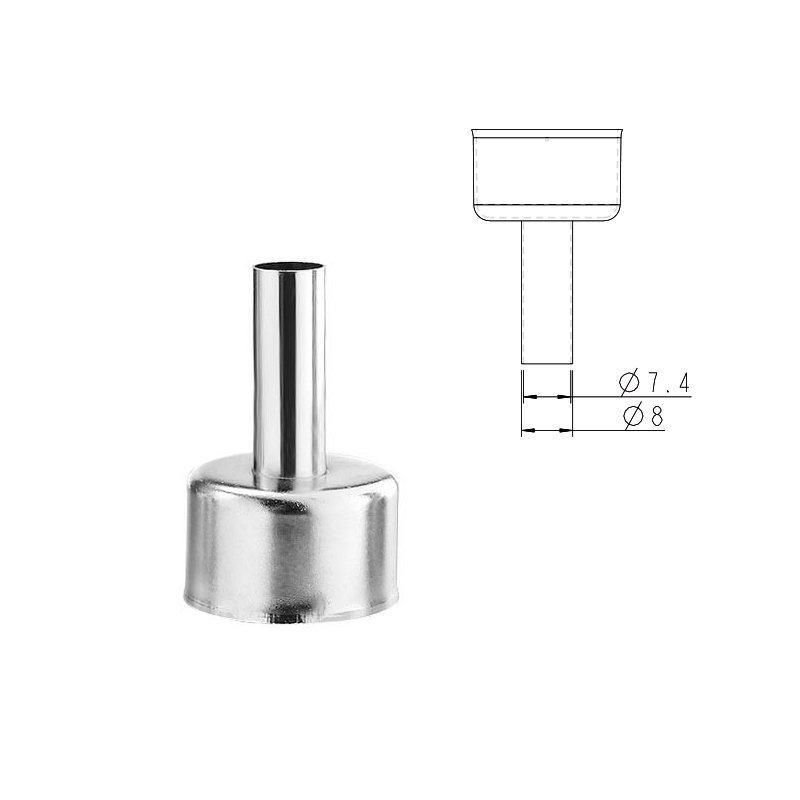
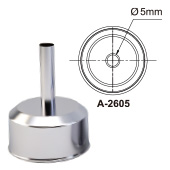
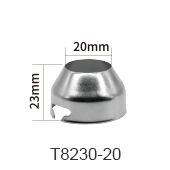
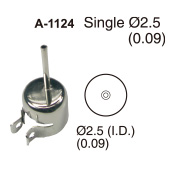
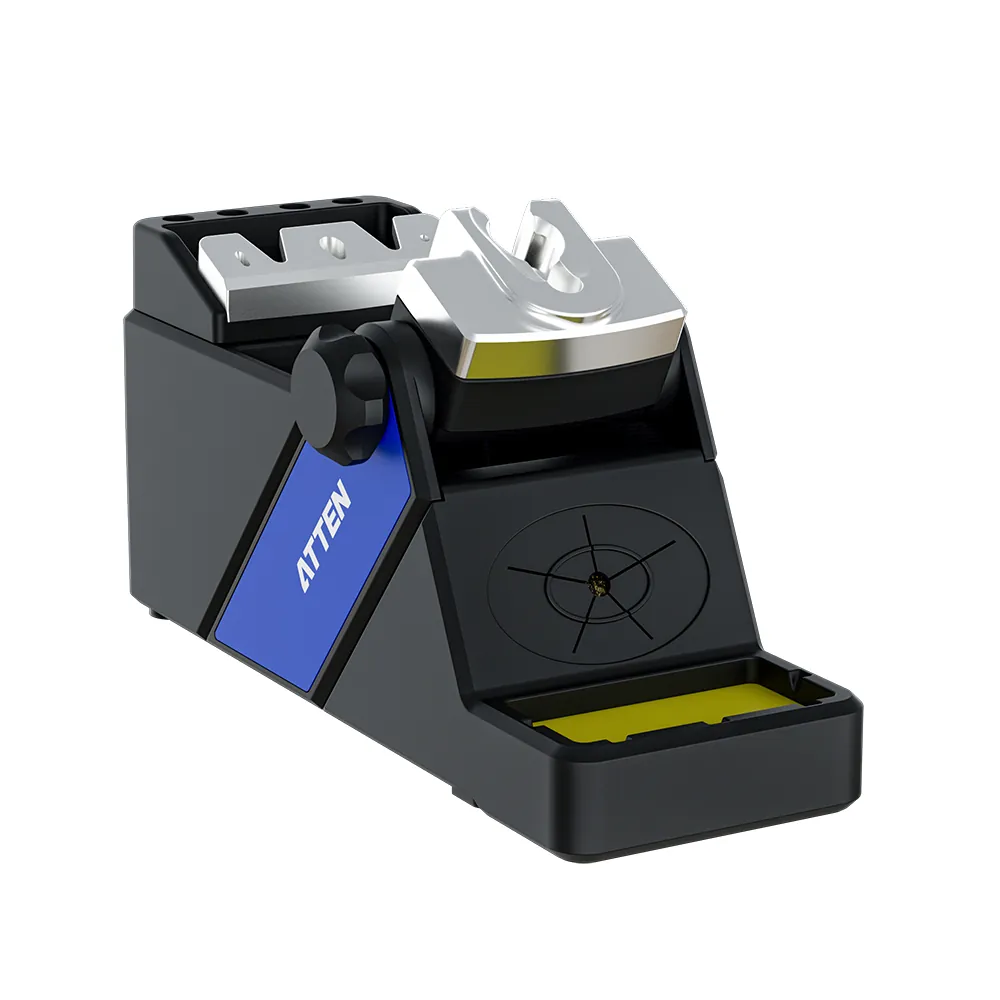
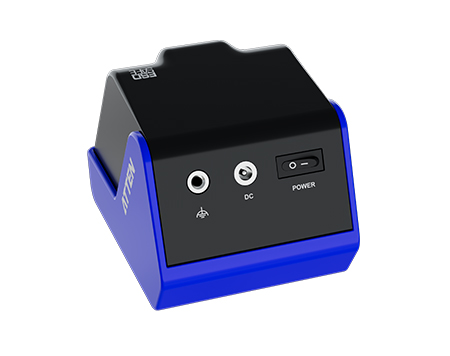
A search phrase such as hot air gun and desoldering gun rework station can be useful, but it only names part of the MS-1600 combination. The ATTEN MS-1600 package information identifies a host unit, GT-Y151 soldering iron handle, GT-X151 desoldering gun, SP-202D hot air gun, GT-N080 electric tweezers, stands, connection wires, nozzles, suction items, and cleaning or maintenance accessories. That makes the product easier to understand as a 4 in 1 rework station for soldering and desoldering rather than as a single hot air desoldering station. The phrase still points to a real scenario: a bench where soldering, solder removal, and heat-assisted component handling may all need to be considered together.
• A soldering-centered bench scenario starts with forming or repairing joints, especially where a focused tip and hand control are part of the work. This does not define the full product, but it explains why a soldering iron handle belongs in the same discussion as rework and assembly support.
• A desoldering-centered scenario focuses on solder removal, often around joints that must be cleared before a component, connector, or lead can be separated. The presence of a desoldering gun and related nozzles helps readers understand why MS-1600 searches often include desoldering language.
• A hot-air-centered scenario relates to area heating and surface-mount work background. SMT and reflow references help explain why hot air appears in electronic assembly and rework discussions, but the correct temperature profile and package suitability still need confirmation from the relevant component and equipment documentation.
• A tweezer-assisted scenario helps readers think about small component handling where paired heated contact may be relevant. The GT-N080 electric tweezers make this part of the MS-1600 tool picture, but they should not be read as proof of compatibility with every small package or every removal method.
These scenario points are not operating instructions. They are a way to read the category language correctly. Someone searching for a soldering and rework station may be thinking broadly about bench capability, while someone searching for a hot air desoldering station may be focused on only one type of heat-assisted removal. The MS-1600 sits closer to the broader bench concept because its visible composition includes more than a hot air gun and more than a desoldering gun. That broader view is useful for product understanding, but it should still lead readers back to the user manual, component documentation, and confirmed specifications before any task is treated as suitable.
The safest way to describe MS-1600 use cases is to say that it can be considered around professional electronic repair, electronic assembly support, and rework bench scenarios involving soldering, desoldering, hot air, and heated tweezer tools. That wording keeps the article in application understanding rather than turning it into a performance claim. The available product facts identify the station type and tool combination, but they do not provide confirmed voltage, power, temperature range, temperature control accuracy, hot air flow, vacuum parameters, dimensions, materials, or package-specific suitability. Without those details, it would be inaccurate to present the station as a complete answer for every PCB repair task. This boundary is especially important for surface mount and special-package work. Industry materials on SMT manufacturing and surface mount reflow explain why heat behavior, board design, component construction, and process conditions matter. They do not prove that a specific rework station can safely remove or replace every surface-mounted component. The same applies to through-hole work: general soldering tutorials help explain the role of solder joints, leads, and technique, but they do not convert the MS-1600 into a full operating course or a guarantee for all through-hole assemblies. A professional reader should treat the station as a possible bench tool set, then confirm whether a specific PCB, component, solder alloy, nozzle, tip, suction path, and handling method are appropriate. It is also necessary to avoid adding unconfirmed industries or user groups. The MS-1600 may be discussed in the context of electronic repair, electronic assembly, and professional rework benches because those scenarios match the tool category and ATTEN's soldering equipment background. The available materials do not justify expanding the product into medical equipment repair, automotive electronics service, school training programs, jewelry work, ordinary home safety scenarios, or every kind of industrial production line. Those may require different procedures, documentation, compliance checks, or environmental controls. The most useful application reading is narrower: MS-1600 helps readers understand how a multi-tool rework station can sit on a professional electronics bench, while task-level fit remains something to verify with the manual, component data, and current product documentation.
The MS-1600 rework station is best read as a bench-level tool combination for understanding soldering, desoldering, hot air, and electric tweezer scenarios in electronic repair and assembly support. Its value for readers is not an all-purpose promise, but a clearer map of where a 4 in 1 rework station may belong in a professional rework bench conversation. For deeper understanding, review the MS-1600 component set, user manual, software, and video materials, then match any specific PCB task against confirmed specifications and component requirements.
Q:What use cases can the MS-1600 rework station help readers understand?
A:The MS-1600 can help readers understand professional electronic repair, electronic assembly support, and rework bench scenarios where soldering, desoldering, hot air handling, and heated tweezer work may be considered together. It is most useful as a way to map bench functions and terminology, not as a guarantee that every PCB, package, solder material, or repair method is automatically suitable.
Q:Is the MS-1600 only a hot air gun and desoldering gun rework station?
A:No. The MS-1600 includes a hot air gun and desoldering gun, but its visible tool set also includes a soldering iron handle and electric tweezers, along with stands, nozzles, suction-related items, and maintenance accessories. It is more accurately understood as a 4 In 1 Intelligent Rework Station within ATTEN's soldering and rework station category.
Q:Can a 4 in 1 rework station cover every PCB repair task?
A:A 4 in 1 rework station should not be treated as covering every PCB repair task by default. Board construction, component package, solder alloy, thermal limits, nozzle or tip choice, suction requirements, operator method, and confirmed equipment specifications all affect suitability. The MS-1600 can support scenario understanding, but specific task compatibility should be checked before use.
Overview | SMT Manufacturing | Adafruit Learning System
How to Solder: Through-Hole Soldering - SparkFun Learn
NXP: AN10365 Surface Mount Reflow Soldering Description

Copyright © 2025 SHENZHEN ATTEN TECHNOLOGY CO., LTD All Reserved.