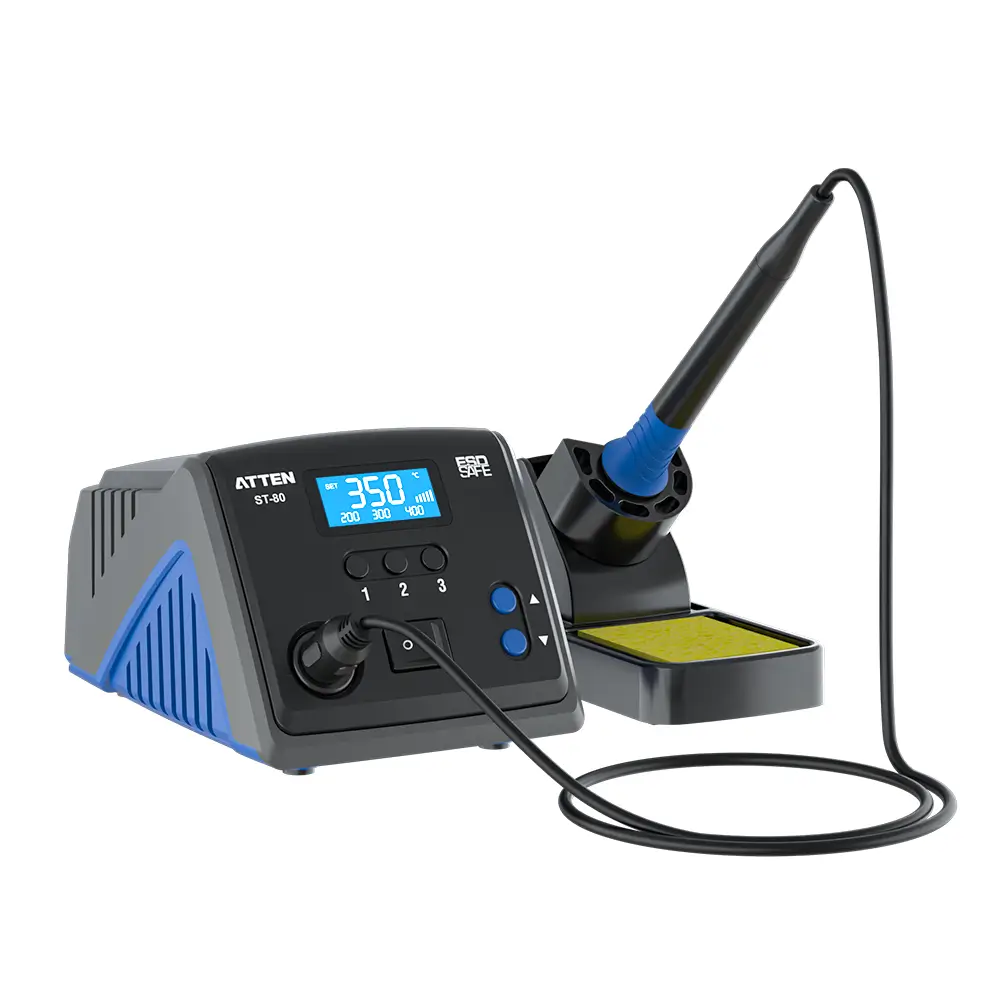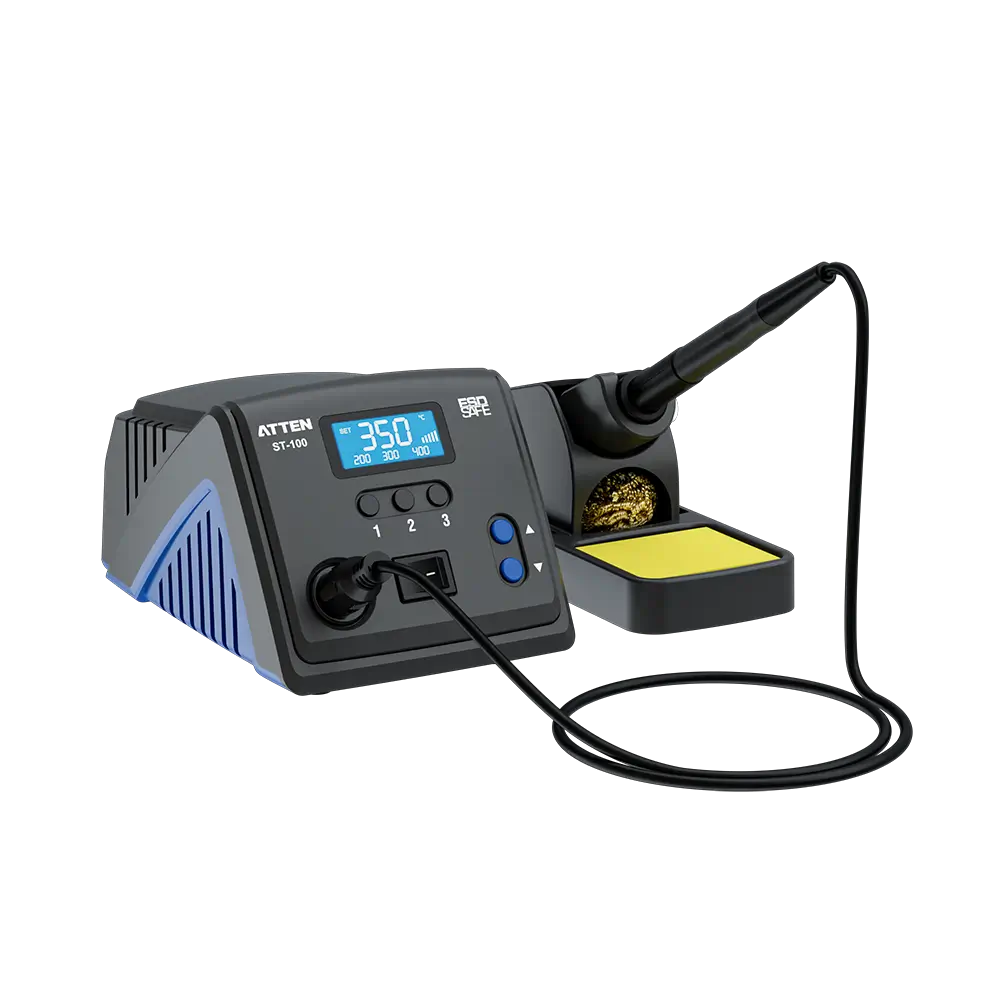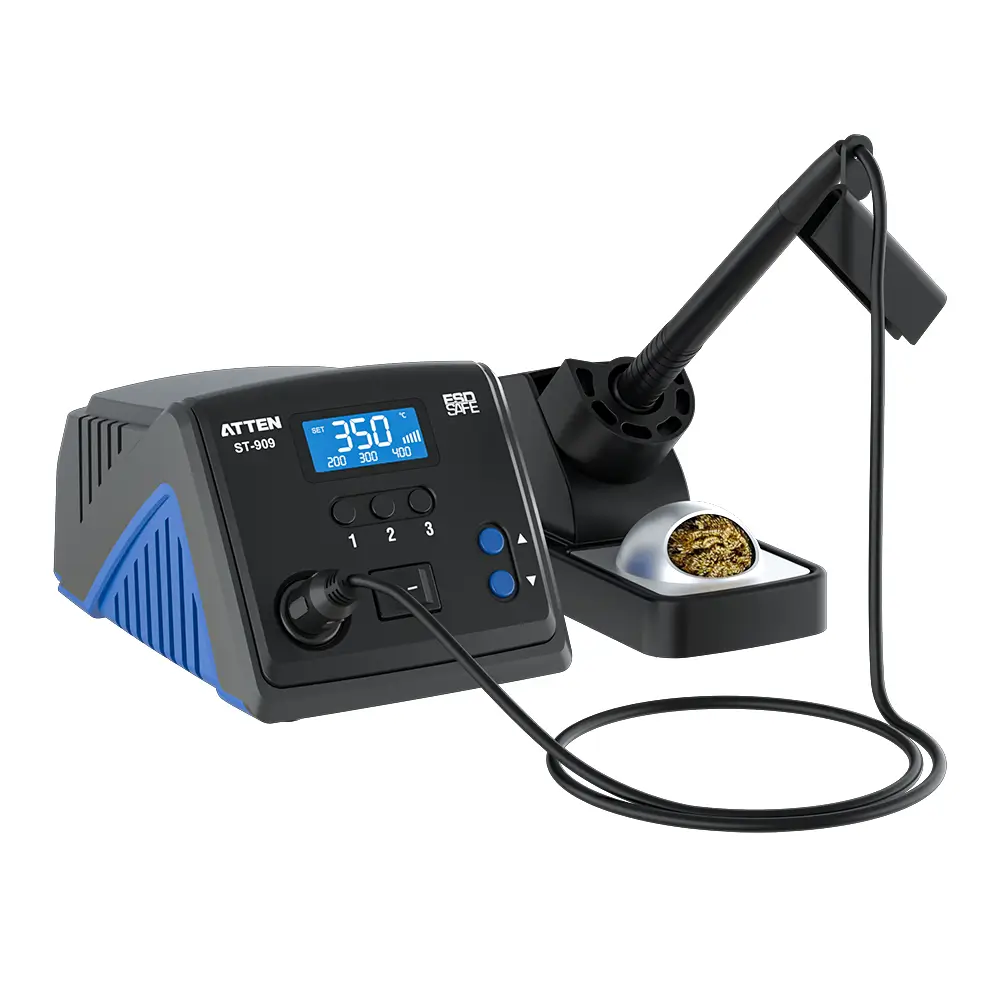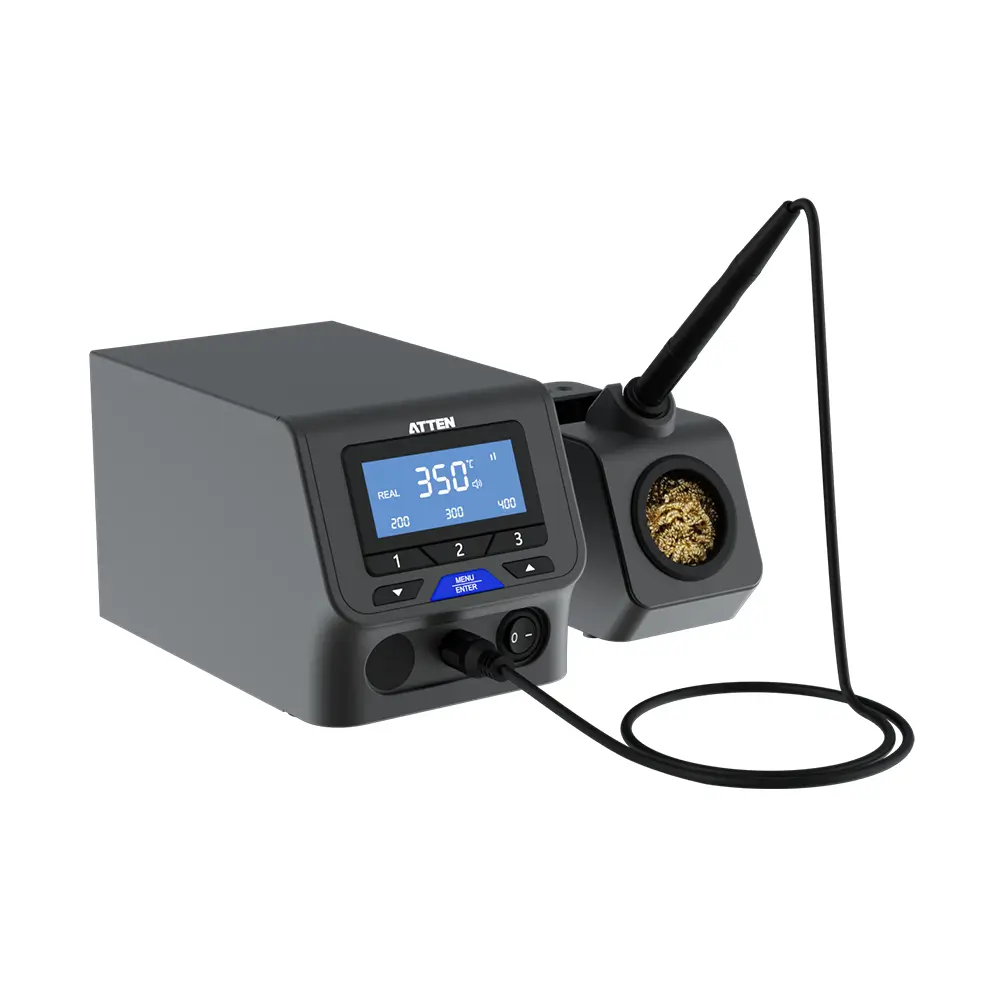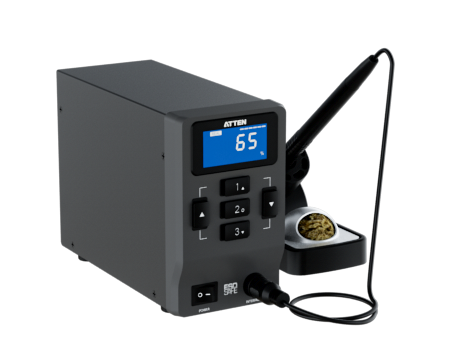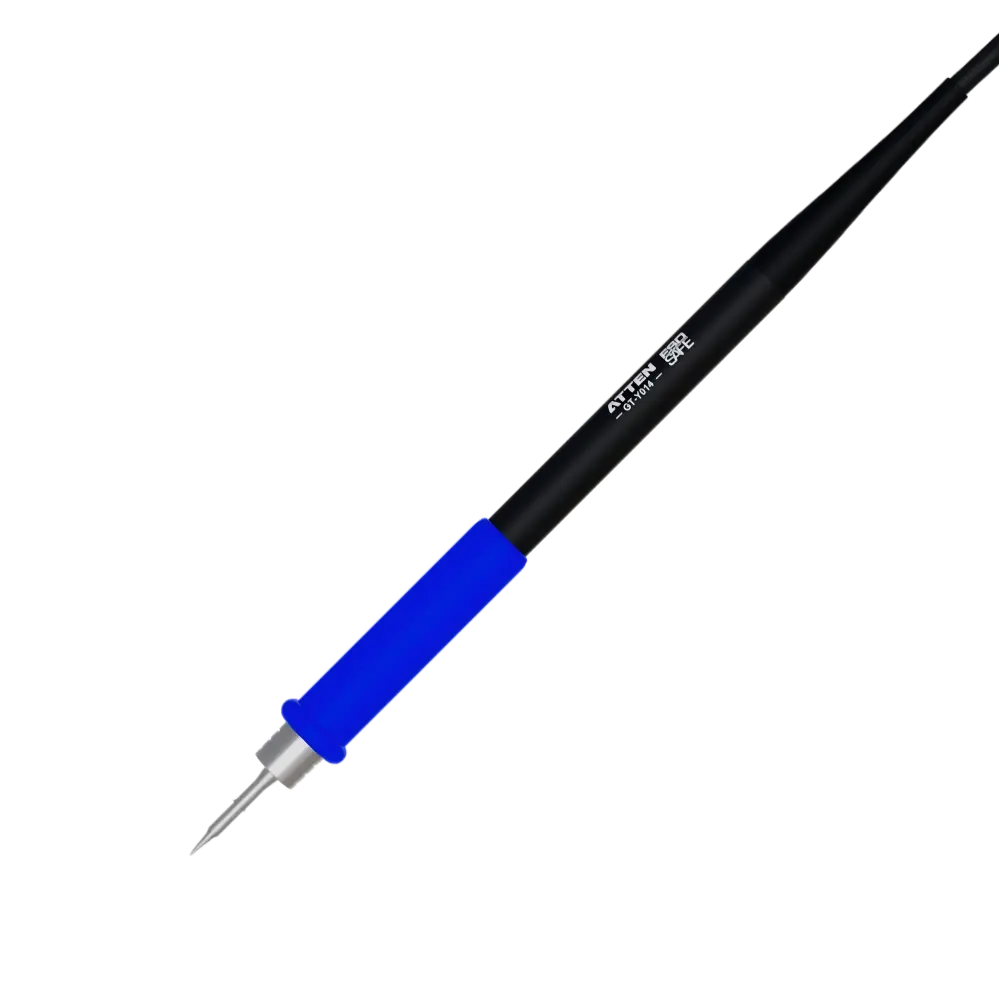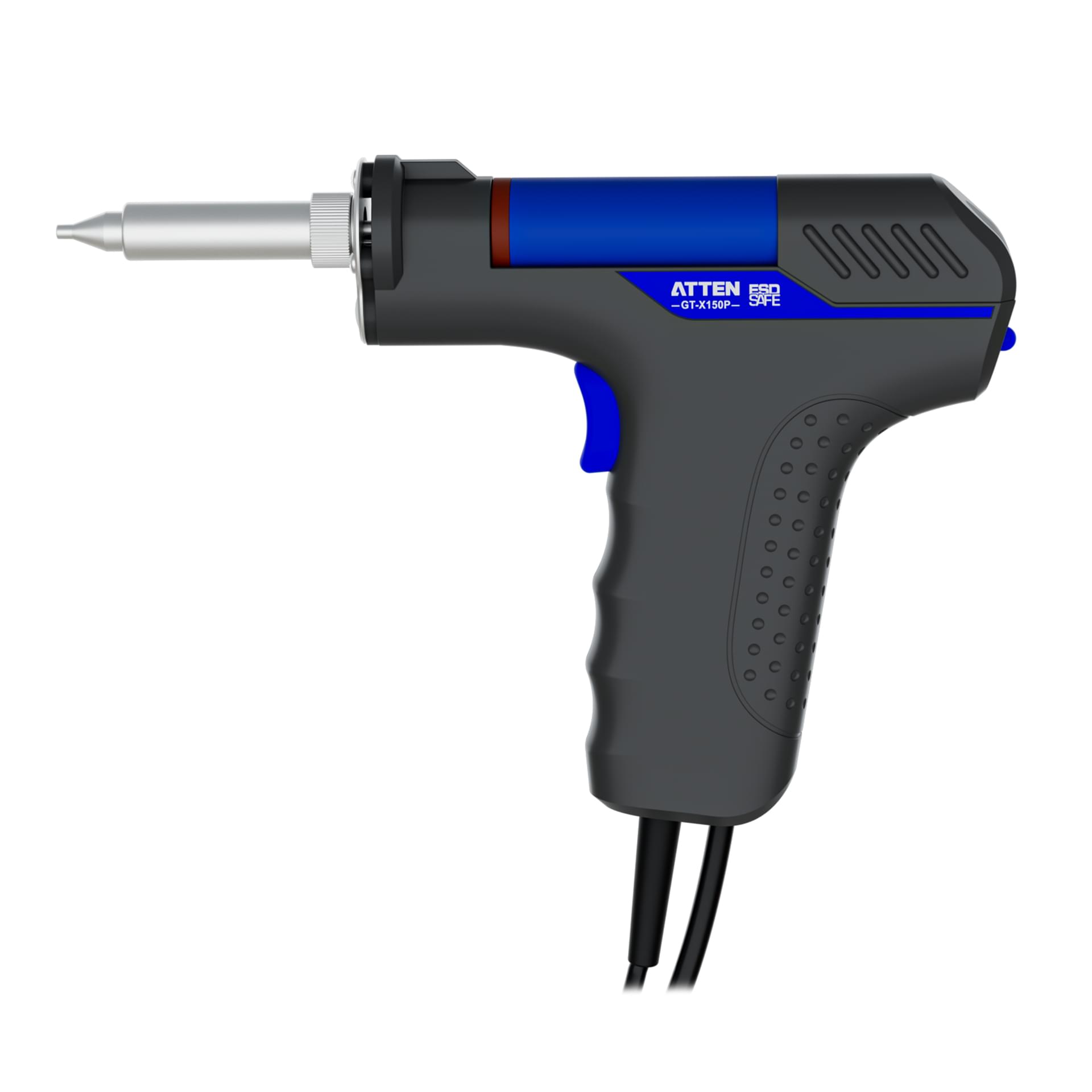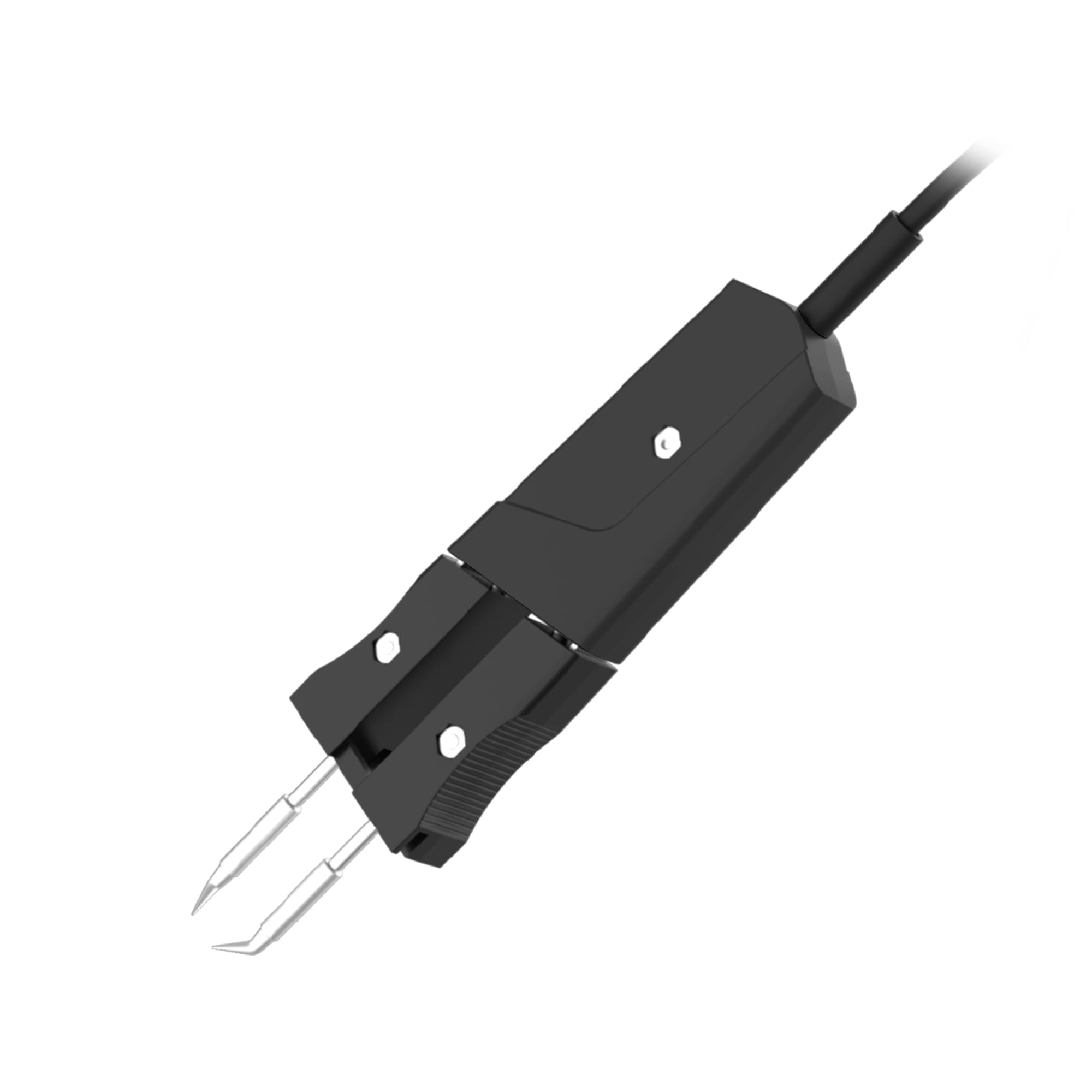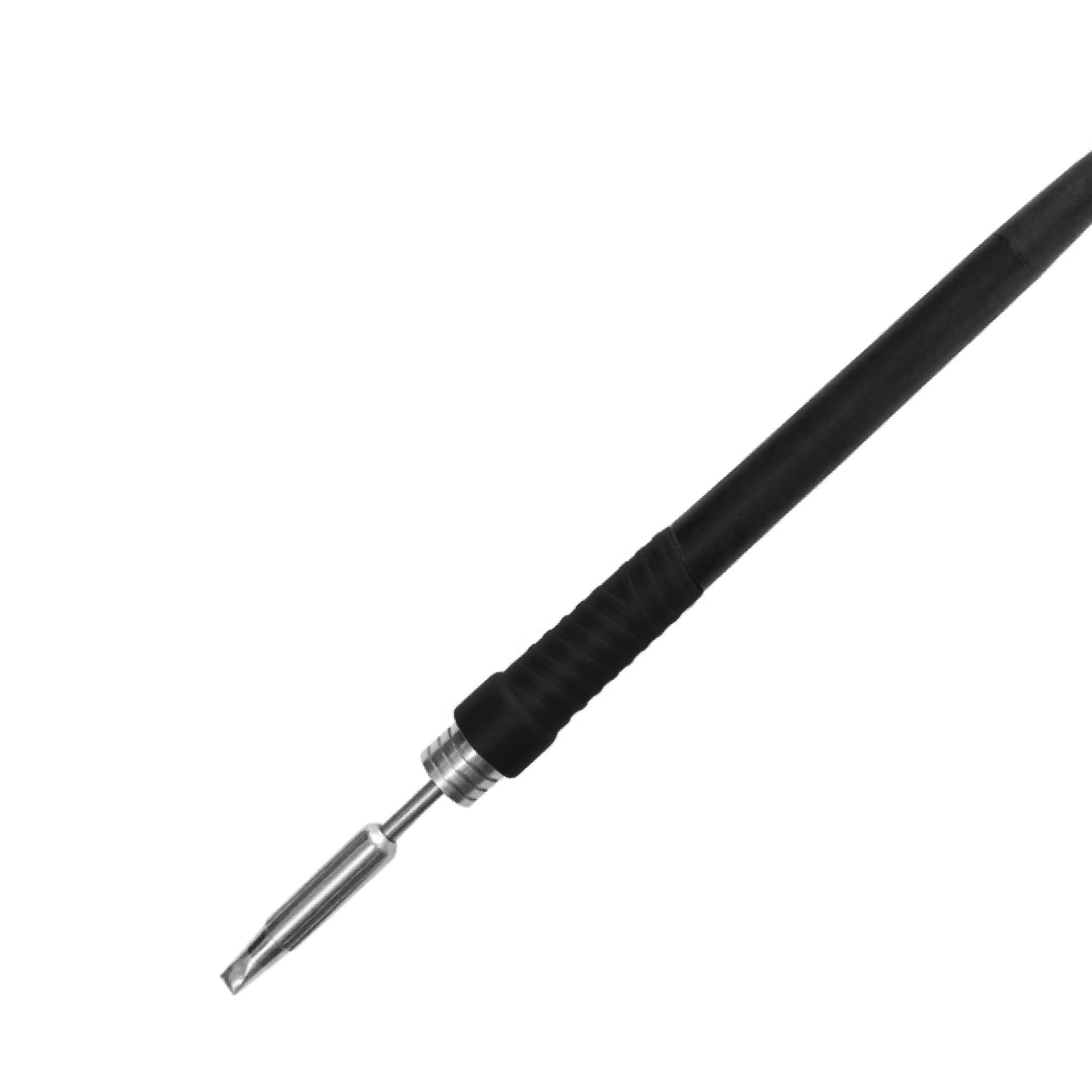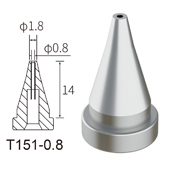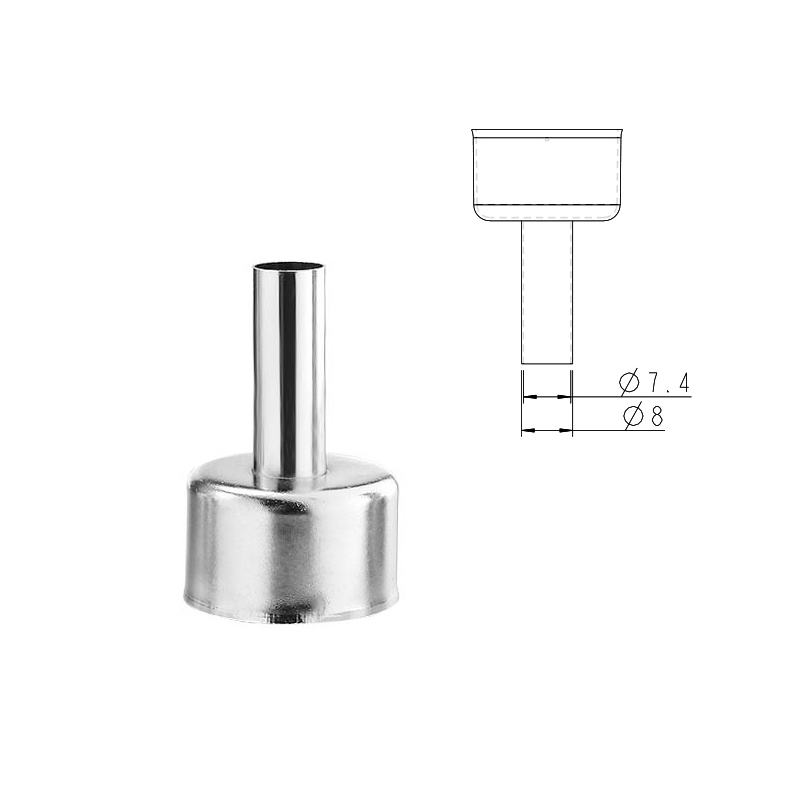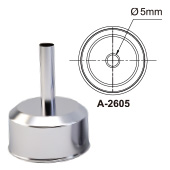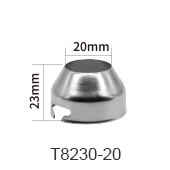
The soldering station temperature is already set fairly high, and the solder on the Soldering Tip melts normally. But once the tip touches the solder joint, the pad still takes a long time to heat up sufficiently.
In this situation, the first reaction is often: increase the temperature.
However, poor soldering performance does not necessarily mean that the temperature setting is too low. In addition to oxidation or contamination on the solder joint surface, another easily overlooked factor should also be considered:
Is heat being transferred effectively to the solder joint?
The set temperature of a soldering station is only the control target. Actual soldering performance is also affected by the condition of the Soldering Tip, contact area, thermal load of the workpiece, and the equipment’s continuous heat delivery capability.
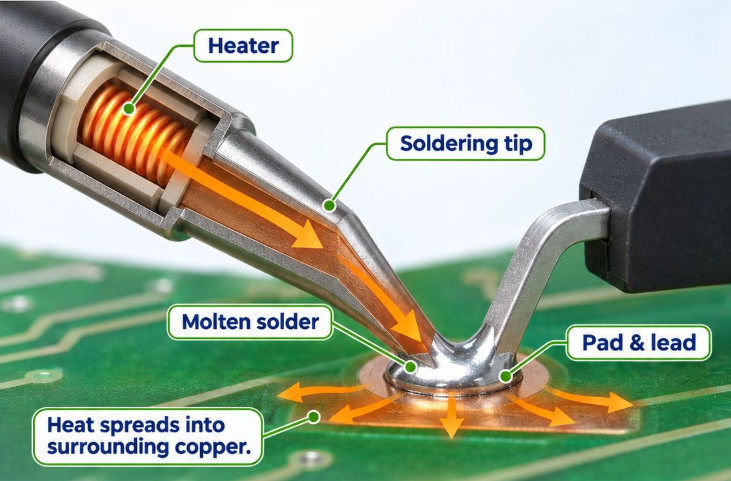
The main heat-transfer path during soldering can be simply understood as:
Heating System → Soldering Tip → Pad and Lead
The heating system generates heat, and the Soldering Tip transfers that heat to the solder joint.
When an appropriate amount of molten solder forms a connection between the Soldering Tip, pad, and lead, the solder can fill part of the contact gap and create a “thermal bridge,” improving heat transfer at the contact area.
At the same time, heat also spreads outward through the pad, copper traces, and connected metal structures.
For example, a pad connected to a large copper area usually requires more heat input before it can reach a suitable soldering temperature.
Therefore, even with the same soldering station temperature setting, actual soldering performance can vary significantly between different solder joints.
Oxidation, insufficient solder coverage, or poor wetting on the working surface of the Soldering Tip can interfere with the formation of the thermal bridge and reduce heat-transfer efficiency.
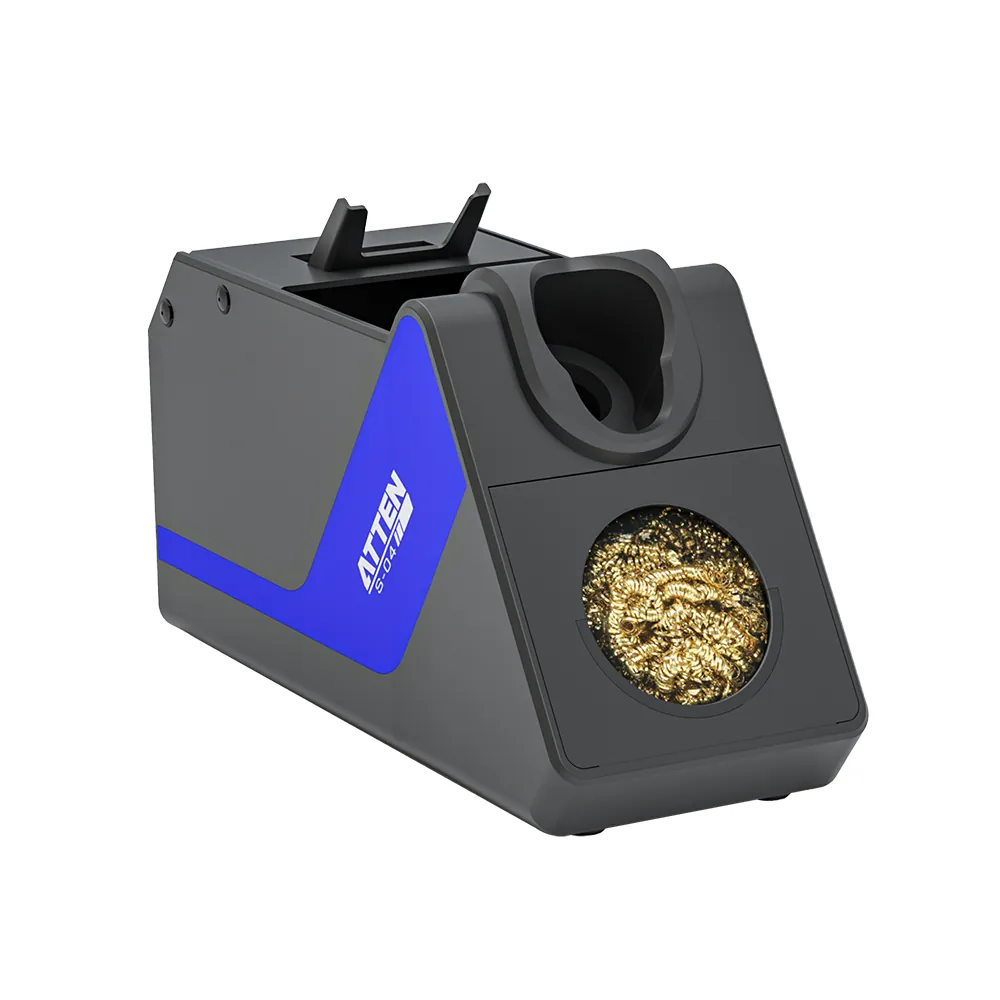
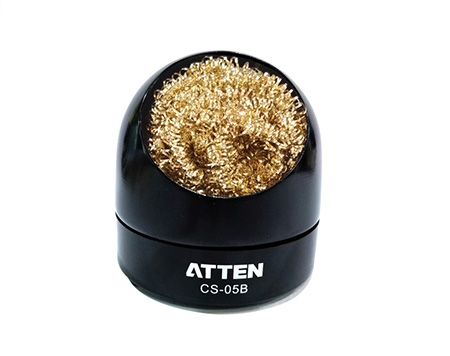
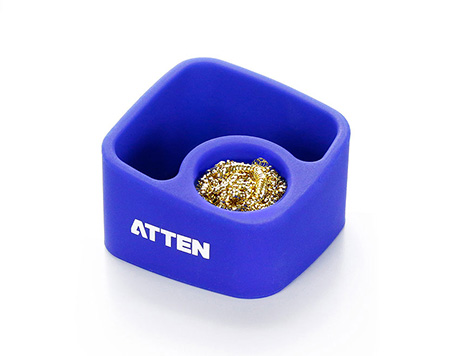
Check whether the working surface can be properly tinned, and maintain it using suitable cleaning tools. Add fresh solder when necessary.
Avoid using files, sandpaper, knives, or other abrasive tools on the working area of the Soldering Tip, as this may damage the protective plating.
If the Soldering Tip can be properly tinned but solder still does not spread well across the pad, check whether the pad is oxidized, contaminated, or affected by improper flux application.
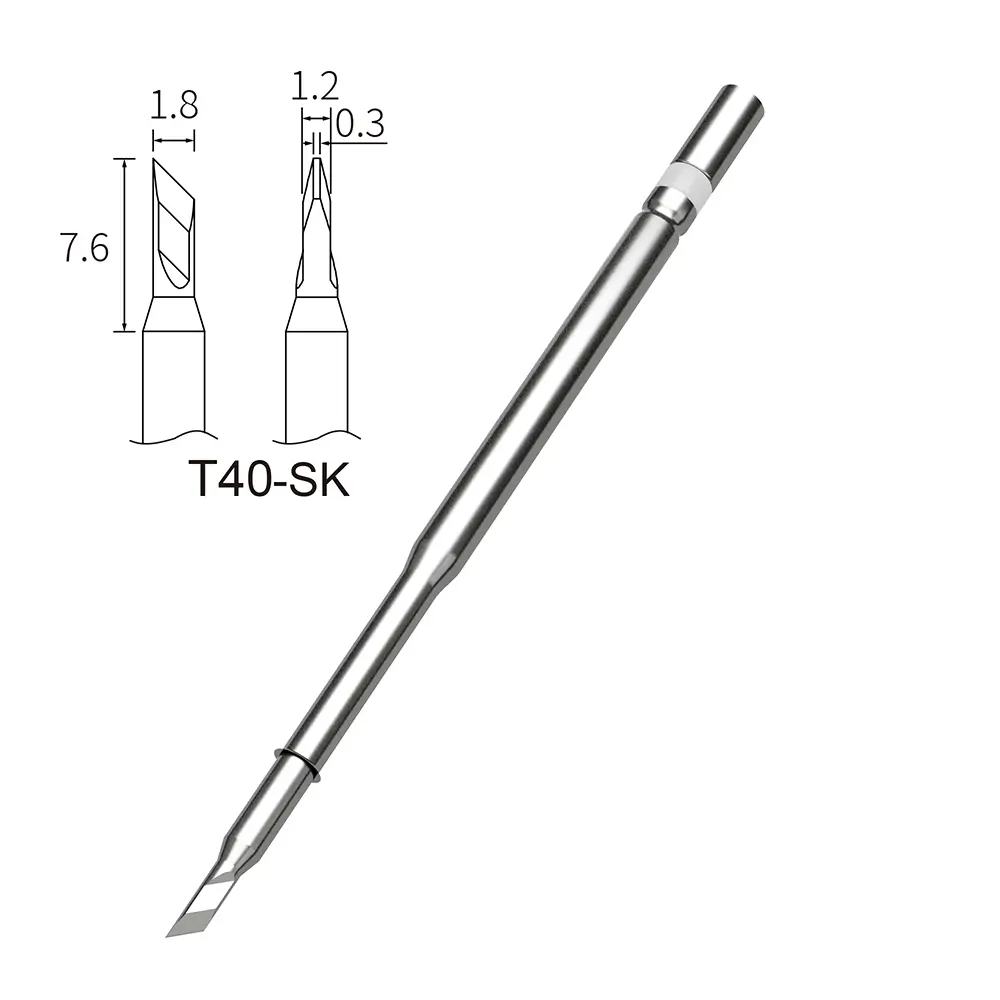
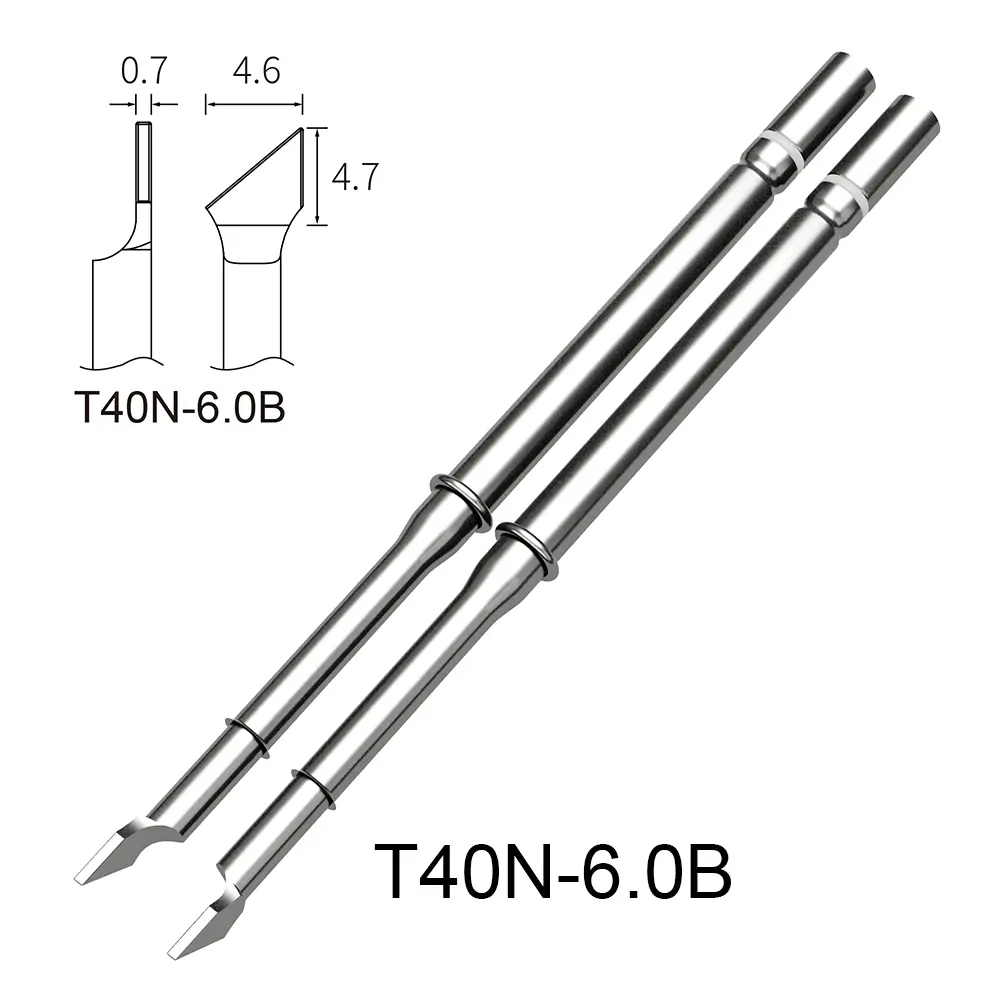
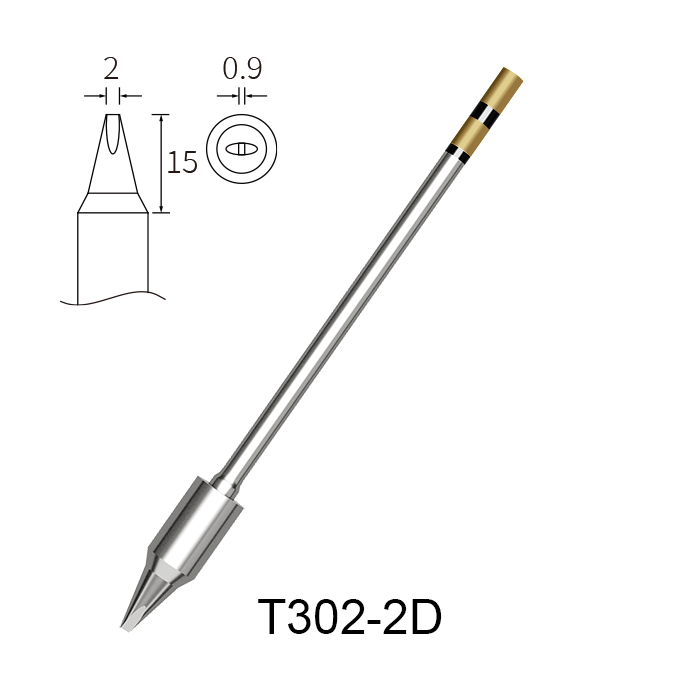
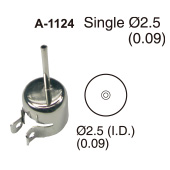
A fine-point tip is useful for accessing narrow areas, but when used on a larger pad, only a small part of the tip may contact the solder joint, limiting heat transfer.
Where surrounding space allows, choose a working surface that matches the size and shape of the solder joint.
For example, a chisel-shaped tip of suitable width can contact both the pad and the lead at the same time.
At the same time, avoid using a working surface that is too wide, as it may touch adjacent components or increase the risk of solder bridging.
During operation, make full use of the working surface rather than touching the joint only with the corner of the tip. Do not rely on excessive pressure to compensate for insufficient heat transfer.
Large copper areas, large metal terminals, and thick wires generally have higher thermal loads.
When the Soldering Tip touches the workpiece, heat is transferred into the solder joint. If the equipment cannot replenish that heat quickly enough, the tip temperature may drop significantly, affecting subsequent soldering performance.
This becomes particularly important during continuous operation, where the soldering station’s continuous heat delivery capability, thermal recovery performance, and the match between the Soldering Tip and the workpiece should all be considered.
For higher-thermal-load workpieces, factors such as equipment power, heating structure, Soldering Tip shape, and thermal capacity should be evaluated together when selecting the appropriate soldering tool.
After completing these checks, determine whether the temperature needs to be adjusted based on the solder type, component temperature limits, and actual process conditions.
A higher temperature is not always better.
Excessive temperature can accelerate oxidation of the Soldering Tip, while unnecessarily high temperatures or prolonged contact times may also increase the risk of thermal damage to pads and components.
From precision component soldering to high-thermal-mass applications, different soldering tasks require different Soldering Tip shapes, sizes, and heat delivery capabilities.
The right soldering tool should not only reach the target temperature, but also transfer heat to the solder joint effectively and consistently.
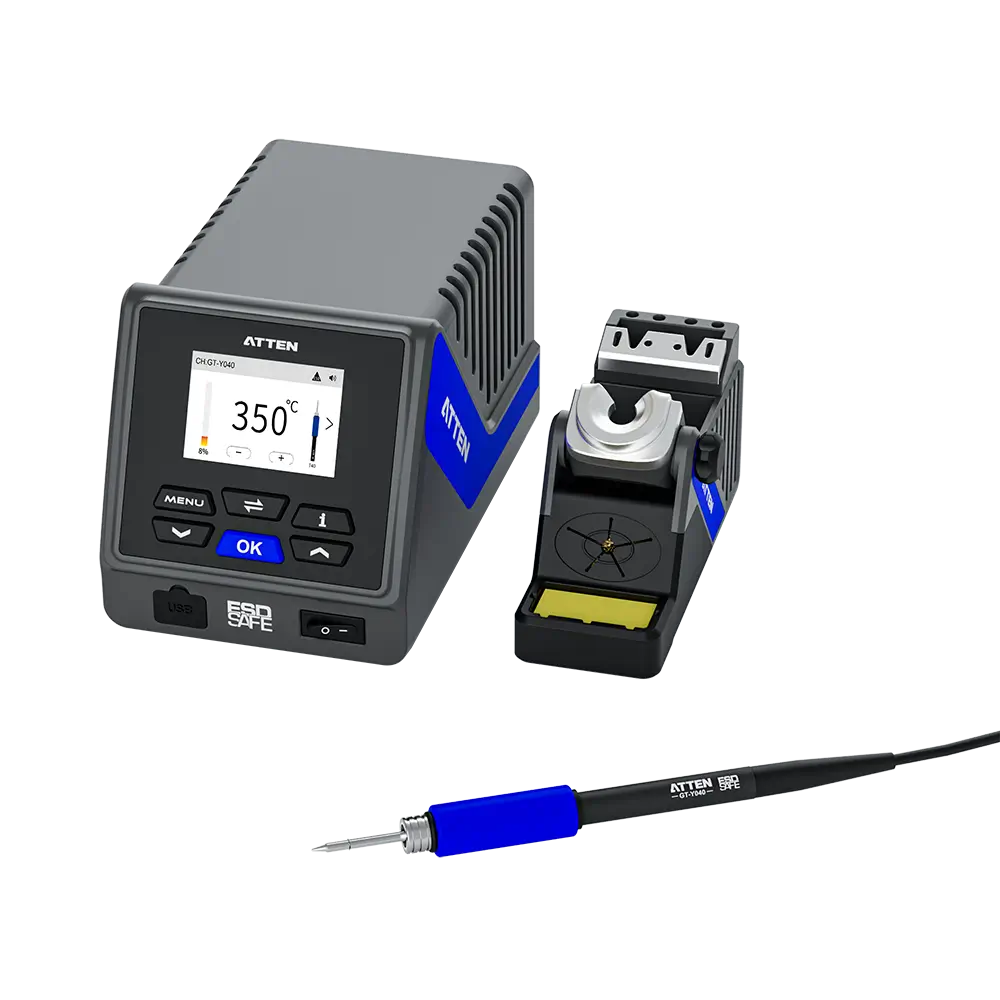
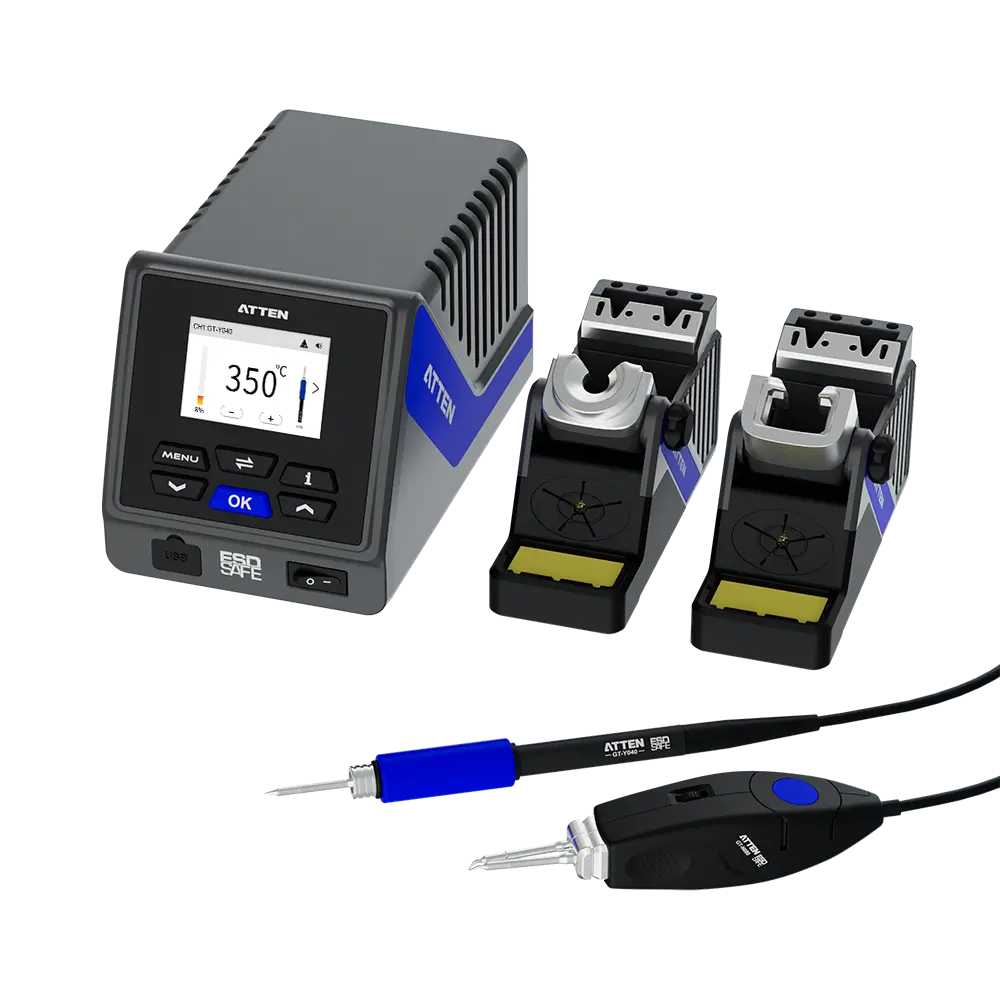
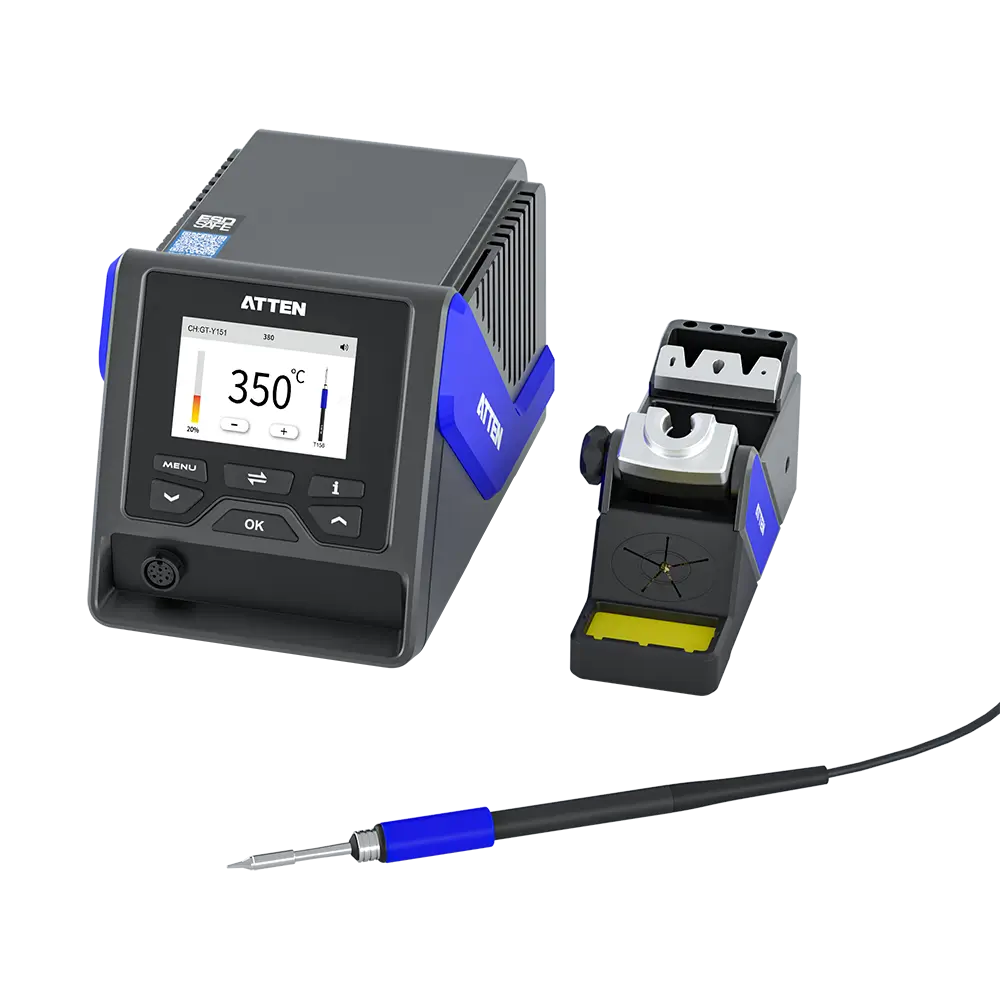
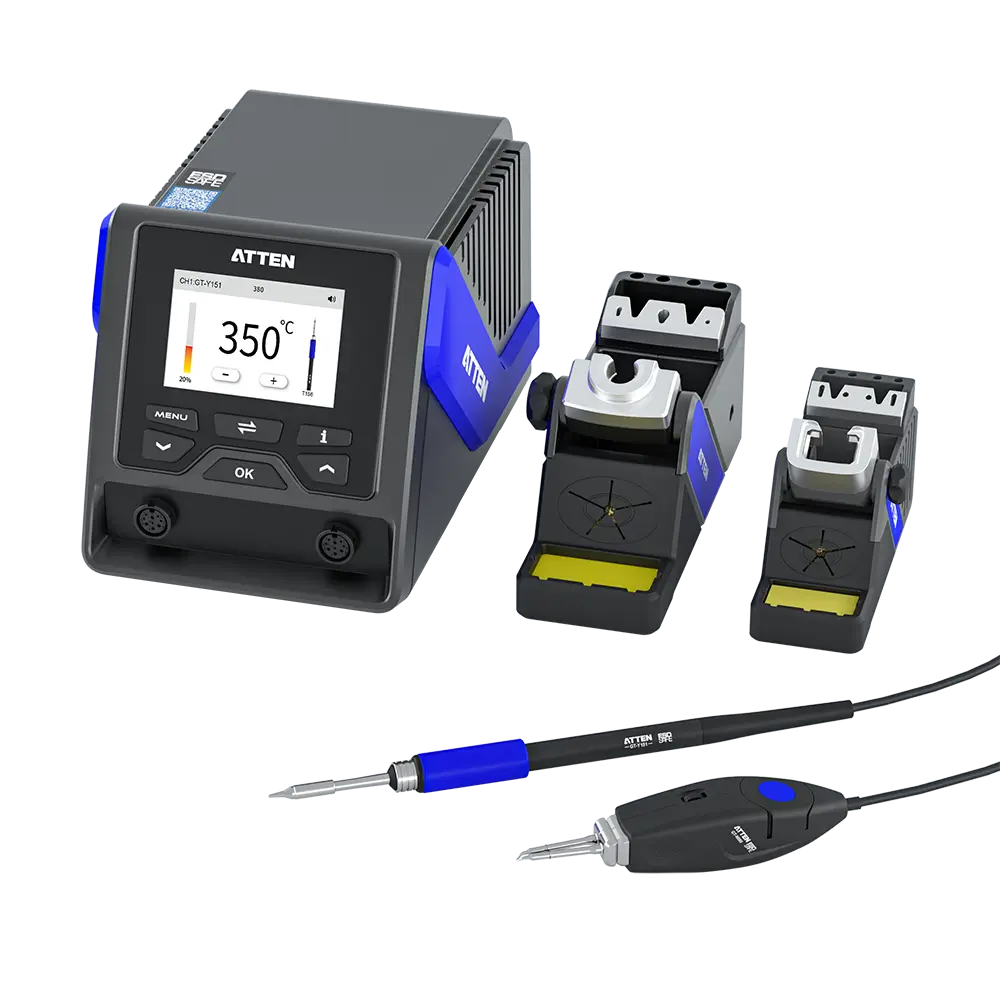
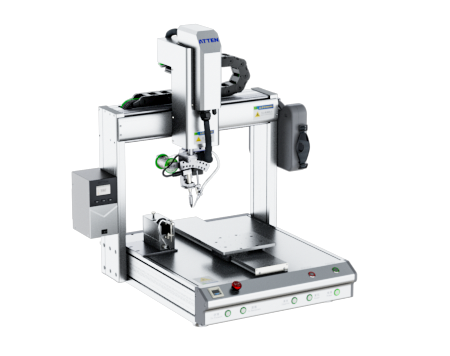
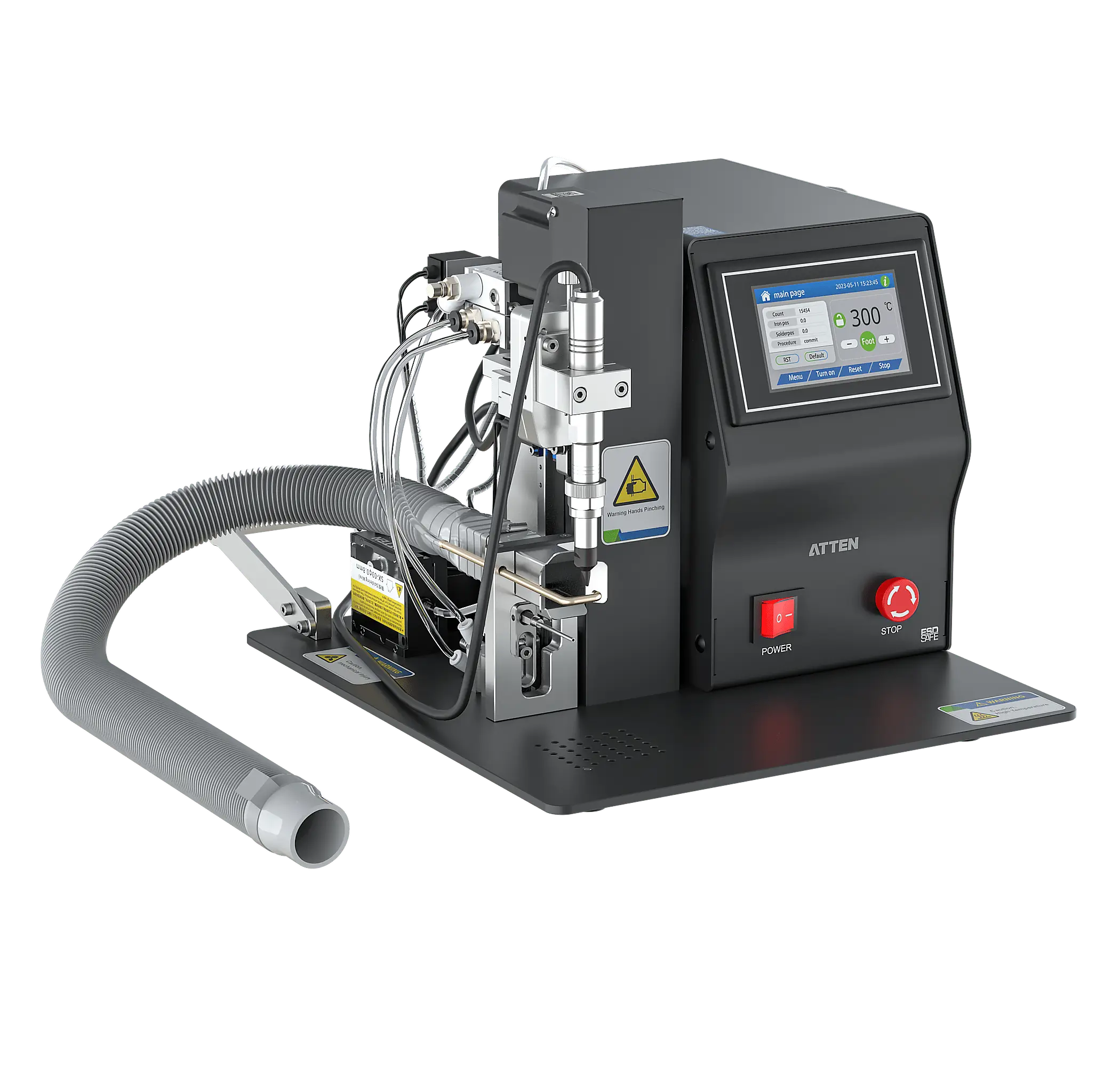
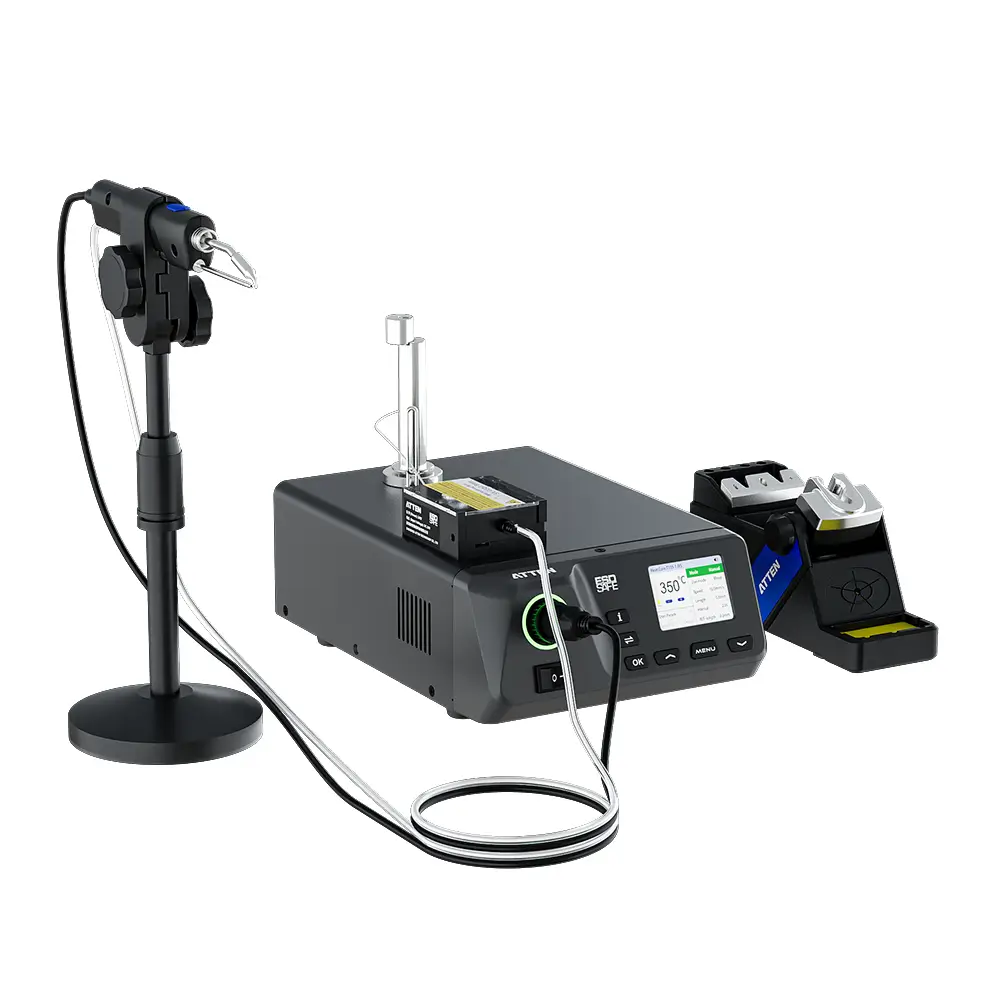
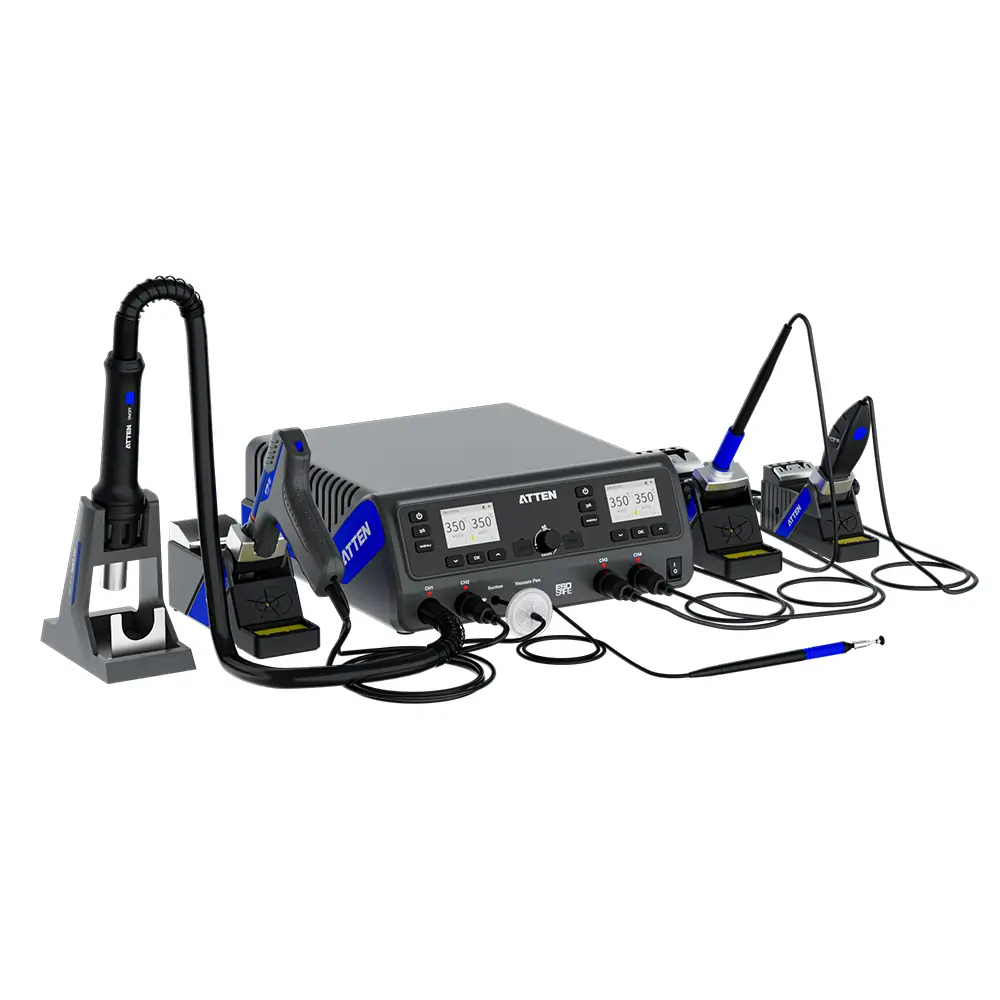
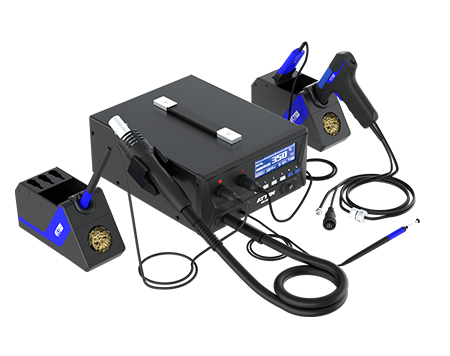
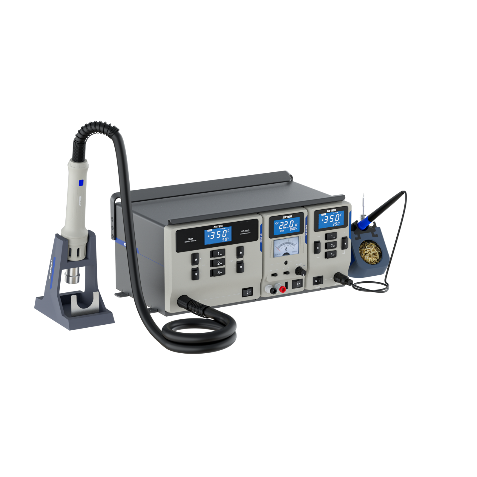
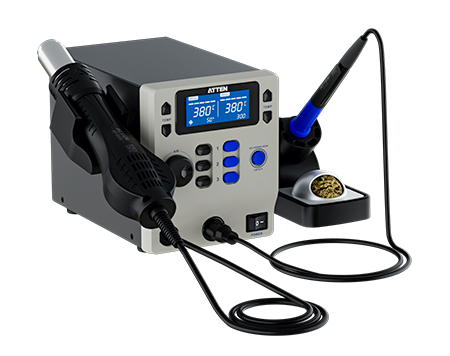
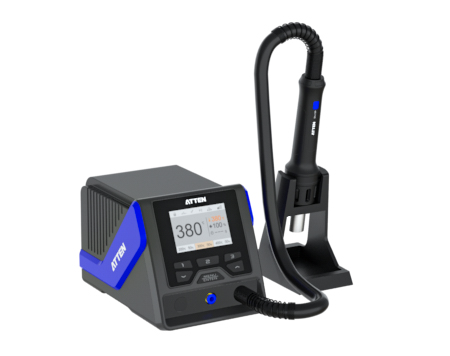
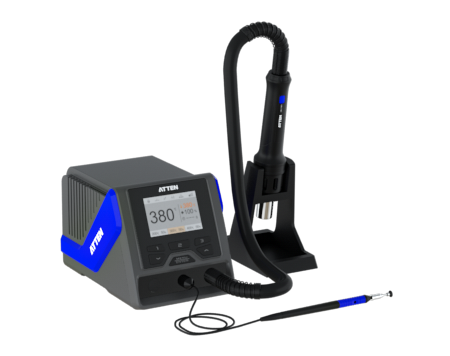
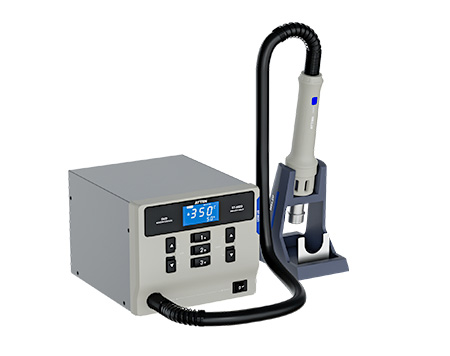
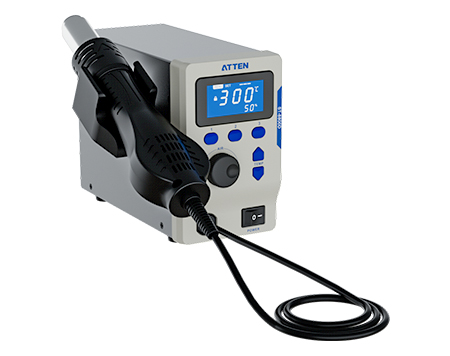
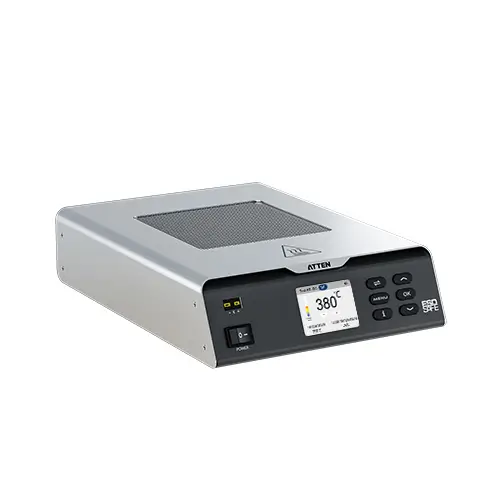
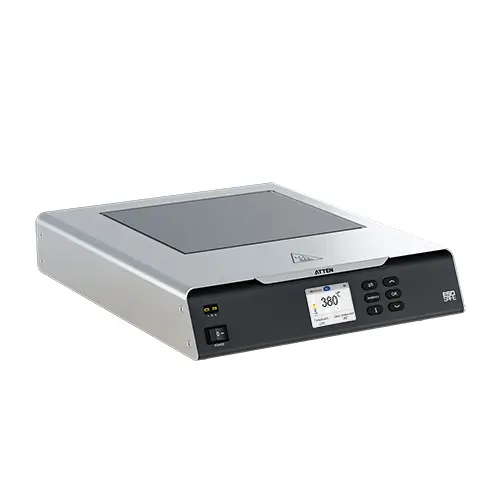
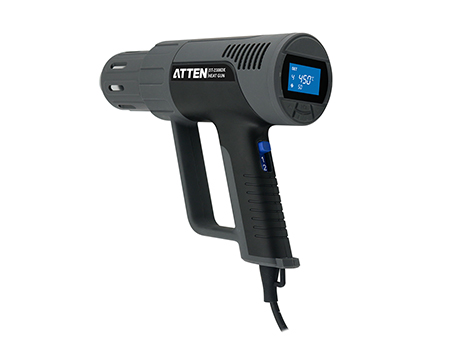
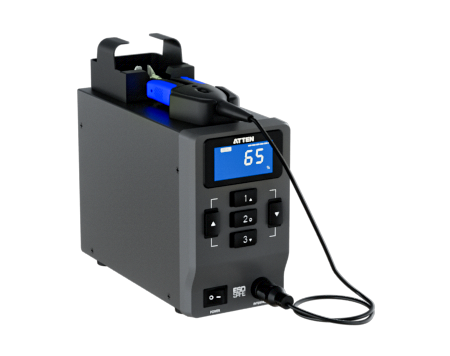
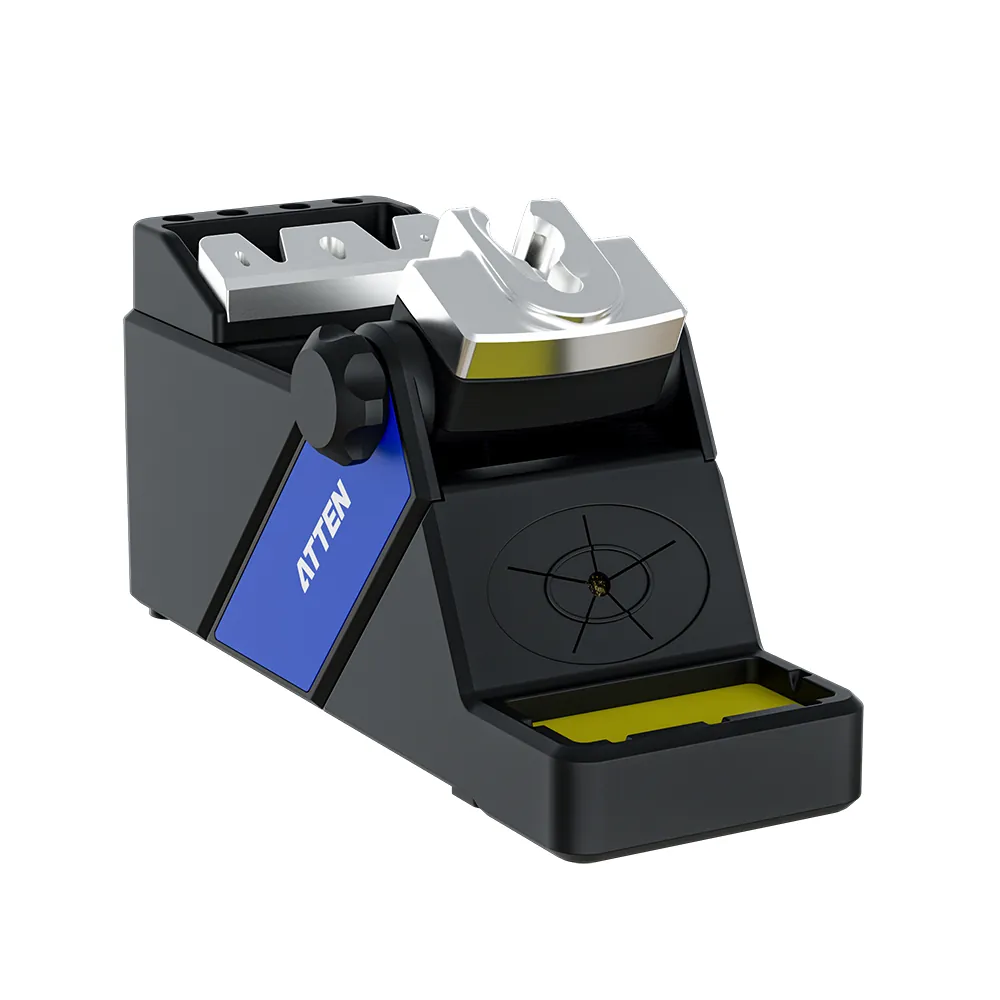
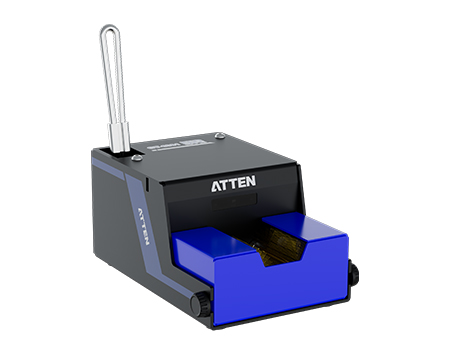
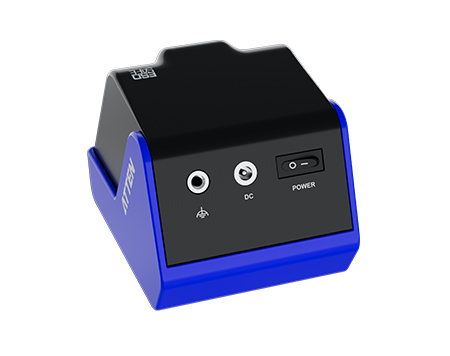
ATTEN offers Soldering Stations with different power configurations, together with a wide range of Soldering Tips in different shapes and sizes, supporting precision, micro-component, general-purpose, and high-thermal-mass soldering applications.
What soldering challenges have you encountered in your daily work?
Contact ATTEN and let us know your application requirements. We can provide recommendations for Soldering Tip selection and soldering solutions based on your actual working conditions.

Copyright © 2025 SHENZHEN ATTEN TECHNOLOGY CO., LTD All Reserved.